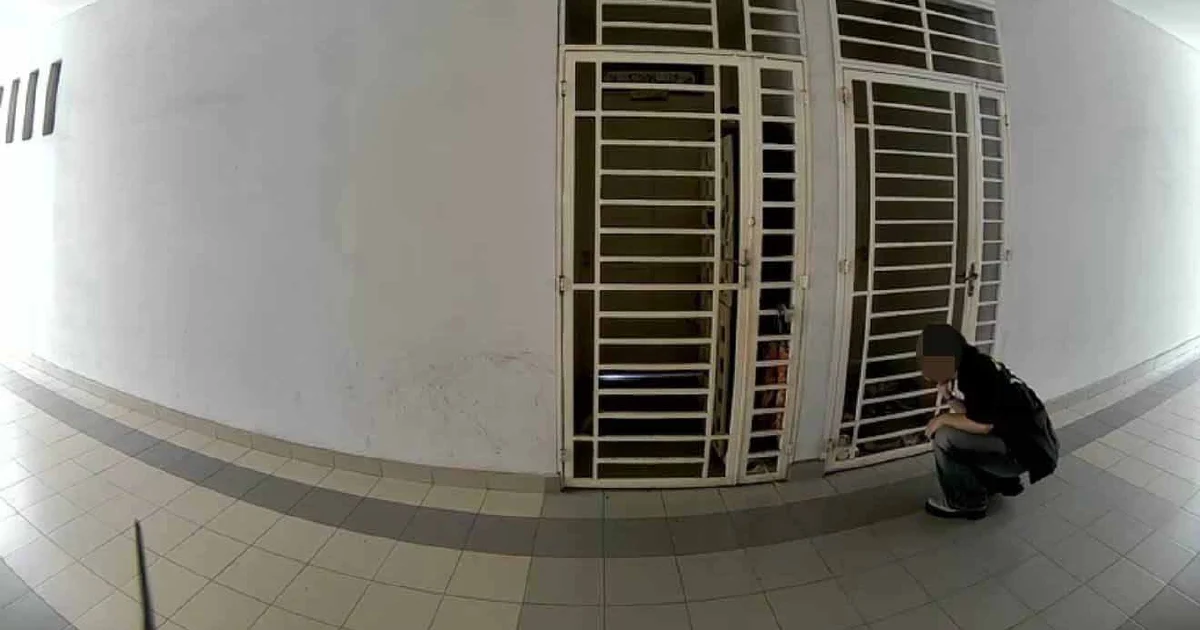
Police in Shah Alam have taken a public university student into custody following allegations of sustained harassment and stalking directed at a female university mate spanning several months beginning in April. The arrest marks another incident in a growing pattern of interpersonal violations on Malaysian university campuses that has drawn increased scrutiny from institution administrators and campus safety officers.
The case underscores the persistent problem of unwanted pursuit and intimidation within higher education settings across Malaysia. University authorities have become increasingly aware that such conduct extends beyond simple disagreements or miscommunication, often involving repeated contact, surveillance, or threatening behavior that leaves victims experiencing significant psychological distress. The duration of the alleged harassment—stretching across multiple months—suggests a pattern of behavior rather than isolated incidents.
Campus safety officials and law enforcement agencies have emphasized the seriousness with which such allegations are now treated. The decision to make an arrest signals that police consider sufficient evidence exists to pursue criminal charges. Stalking and harassment laws in Malaysia have been progressively strengthened to protect potential victims and deter perpetrators, reflecting societal recognition that such conduct causes genuine harm regardless of the motivations behind it.
University administrators across Malaysia's public higher education institutions have implemented various measures to combat campus harassment. These include awareness campaigns, clearer reporting mechanisms, and disciplinary procedures that operate in parallel to criminal investigations. Many institutions now designate specific officers responsible for handling harassment complaints and provide counseling services for affected students. However, the continued occurrence of such incidents suggests that education and prevention efforts require ongoing refinement.
The implications for victim support cannot be overstated. Students who experience harassment or stalking frequently suffer academic consequences, including difficulty concentrating on coursework and reluctance to attend campus locations where encounters might occur. Mental health impacts are common, ranging from anxiety and hypervigilance to more severe conditions. Universities increasingly recognize their responsibility to create safe learning environments free from such predatory behavior.
From a legal standpoint, Malaysia's framework for addressing stalking and harassment has evolved considerably. The Penal Code provisions covering criminal intimidation and other related offenses can be applied to such cases, and authorities have grown more willing to invoke these laws. Additionally, specific stalking legislation exists in some contexts, providing prosecutors with more precise tools for addressing this conduct. The threshold for police action has lowered appropriately, recognizing that victims should not need to endure escalating threats before intervention occurs.
The alleged perpetrator's status as a fellow student adds complexity to these situations. Unlike cases involving strangers or authority figures, incidents within peer groups can carry additional complications around shared social circles, joint academic spaces, and potential retaliation concerns. This dynamic sometimes discourages reporting, as victims worry about social fallout or doubts from friends who may know the accused. Breaking such silence requires institutional cultures that unequivocally side with victims rather than pressuring them toward reconciliation.
For Malaysian university campuses, this arrest should prompt institutional self-examination regarding early intervention capabilities. Some warning signs of escalating obsessive or controlling behavior emerge before serious harassment occurs. Peer-to-peer education programs that help students recognize problematic conduct in their peers, combined with accessible reporting pathways that protect confidentiality, can create environments where intervention happens earlier. The sophistication of social media platforms has simultaneously enabled easier stalking through constant connectivity while providing digital evidence trails that can aid investigations.
The broader Southeast Asian context matters here as well. Universities across the region face similar challenges as student populations increasingly intersect with technology enabling continuous contact. Experiences in one country often inform approaches elsewhere, suggesting that Malaysian authorities and institutions benefit from regional knowledge-sharing about effective intervention and prevention strategies.
Police handling of such cases requires specialized training to ensure investigations treat victims with sensitivity while building cases that stand judicial scrutiny. Officers must understand the psychological mechanisms behind stalking behavior and recognize that victims' accounts may seem fragmented or incomplete due to trauma. Documentation of the complaint itself becomes crucial evidence when incidents span months and locations.
Moving forward, the university involved will likely review its response protocols and consider whether additional safeguards might have facilitated earlier reporting. Administrative measures could include sanctions ranging from behavioral conditions to suspension, preceding or independent of criminal proceedings. Many institutions now recognize that swift institutional action protects both the immediate victim and the broader campus community by establishing clear behavioral expectations.
The case also reminds students of their rights to seek help without fear of being dismissed or blamed. Campus counseling services, police units specializing in serious crimes, and university administration all provide pathways toward resolution. For any student experiencing unwanted contact, documentation through screenshots, records of contact attempts, and detailed accounts of incidents strengthens potential cases significantly.

