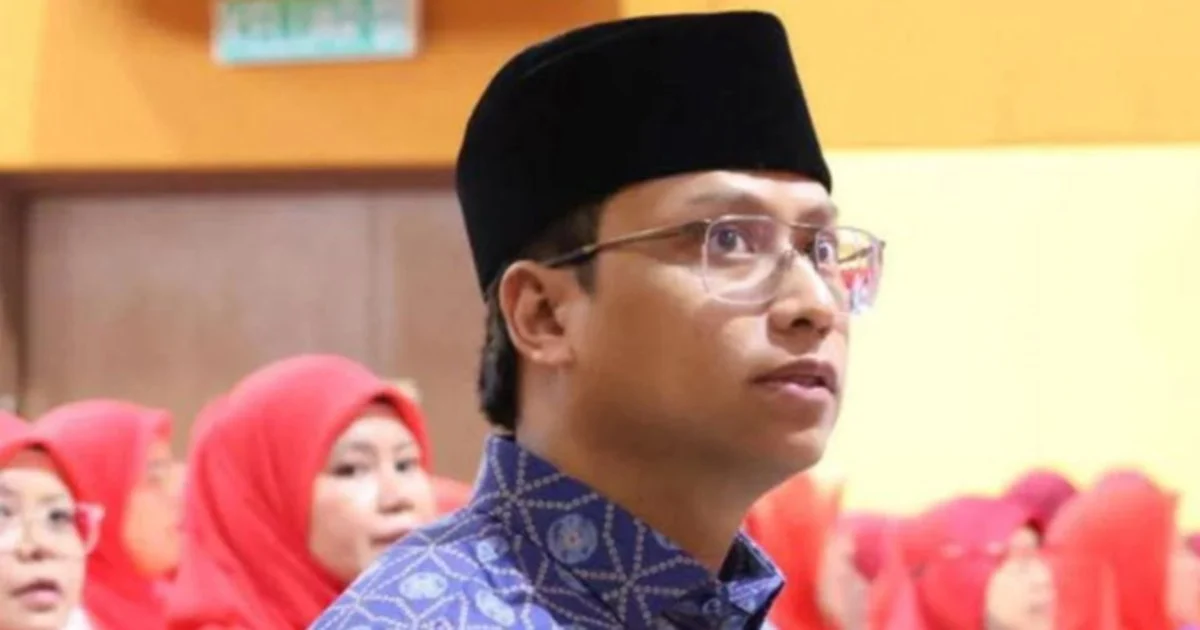
The family of Datuk Dr Mohd Puad Zarkashi, a veteran Umno figure who previously held a seat on the party's highest decision-making body, has publicly backed his recent statements questioning the direction the party is taking. His son's intervention suggests that commentary from within Umno's traditional power circles continues to generate friction over the party's strategic positioning and ideological moorings in contemporary Malaysian politics.
The younger Zarkashi characterized his father's observations as fundamentally motivated by concern for Umno's institutional health and electoral viability rather than personal grievance or factional maneuvering. This framing attempts to elevate the discussion beyond interpersonal disputes that have increasingly characterized Umno's internal dynamics, positioning the remarks instead as a form of principled institutional advocacy. The distinction matters considerably in a party context where perceptions of loyalty and party unity carry outsized political weight.
Central to the family's defense is the argument that Datuk Dr Mohd Puad's intervention stems from a desire to steer Umno toward decisions that will secure its future relevance and electoral competitiveness. This appeal to long-term institutional interests rather than immediate factional advantage represents a common rhetorical strategy deployed by senior figures offering internal criticism. Such positioning allows critics to claim they are acting as concerned custodians of party interests rather than dissidents challenging leadership authority.
The controversy surrounding the elder Zarkashi's remarks reflects deeper tensions within Umno regarding the party's direction under current leadership. These internal debates, which periodically surface in public comments from veteran figures, indicate that consensus on strategic direction remains elusive even among the party's established hierarchy. For Malaysian observers, such divisions highlight the ongoing struggle within the country's dominant political party to chart a coherent course amid shifting electoral dynamics and demographic changes.
Umno's relationship with public commentary from senior members represents an ongoing challenge for party management. The party has long struggled to balance its traditional emphasis on hierarchical discipline with the reality that prominent figures retain significant platforms and constituencies of supporters. When former or semi-retired leaders speak out, as Datuk Dr Mohd Puad has done, the party faces difficult choices about how to respond without appearing to silence legitimate internal debate or confirm perceptions of autocratic leadership.
The family's invocation of history as an ultimate arbiter of the party's current choices carries particular resonance in Malaysian political culture, where historical narratives profoundly shape perceptions of institutional legitimacy. By suggesting that time will vindicate their position, the Zarkashi family implicitly challenges the current leadership to demonstrate the wisdom of its chosen direction, while simultaneously positioning themselves on the side of long-term institutional thinking rather than short-term factional competition.
For the broader Malaysian political landscape, Umno's internal conflicts matter significantly because the party remains central to coalition dynamics at federal and state levels. How Umno resolves or manages these internal tensions affects not only the party's own trajectory but also the stability of governing coalitions and opposition alignments across the country. Periods of internal discord within Umno have historically created openings for rival political forces while simultaneously weakening the party's negotiating position with coalition partners.
The younger Zarkashi's public defense of his father also suggests calculated family engagement with broader political narratives rather than isolated personal grievance. Senior figures in Malaysian politics frequently employ family members or proxies to articulate positions that maintain plausible deniability or allow for tactical flexibility. The son's intervention therefore likely reflects a coordinated communication strategy designed to amplify the message while distributing the political risk across multiple voices.
Datuk Dr Mohd Puad's background as a former Supreme Council member carries particular weight in these discussions, as such positions traditionally represent the party's inner sanctum of power and decision-making authority. When individuals who have occupied such positions offer public criticism, they do so with the credibility that comes from deep institutional knowledge and established relationships throughout the party hierarchy. This insider status makes their commentary difficult for leadership to dismiss as coming from peripheral or opportunistic figures.
The broader pattern of senior Umno figures offering public commentary on party direction reflects both the party's institutional diversity and its ongoing struggle to maintain coherent leadership messaging. As Malaysia navigates complex political transitions and shifting voter preferences, Umno's capacity to reconcile internal differences while projecting external unity remains crucial to its political effectiveness and electoral prospects across the federation.

