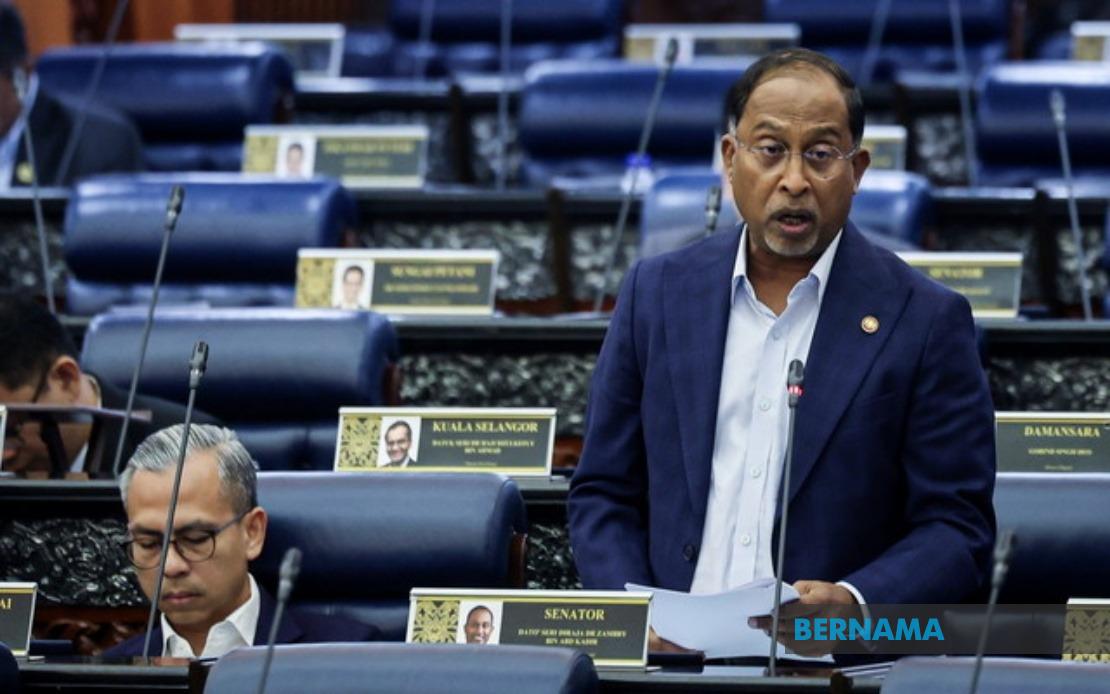
Malaysia's National Higher Education Fund Corporation (PTPTN) has successfully collected RM197 million in loan repayments through debt negotiation agencies (APH) during the period from July 2025 to May this year, signalling a strengthened approach to recovering outstanding education loans. Higher Education Minister Datuk Seri Dr Zambry Abdul Kadir announced the achievement in Parliament, emphasising that the 6.4 per cent year-on-year increase demonstrates the practical effectiveness of engaging specialised debt recovery services in persuading defaulting borrowers to fulfil their obligations.
The scale of PTPTN's challenge becomes apparent when examining the broader context of outstanding loans. As of May, a total of 103,418 borrower accounts involving arrears exceeding RM3 billion had been transferred to debt negotiation agencies. This represents a significant portion of the fund's total defaulting portfolio and underscores the magnitude of the repayment crisis that has plagued Malaysia's tertiary education financing system. The decision to engage external agencies reflects PTPTN's recognition that conventional collection mechanisms have reached their limits with chronic defaulters.
Critically, PTPTN implements strict eligibility criteria before referring cases to APH services. Only borrowers whose arrears have accumulated for more than 120 months—a decade of non-payment—and who have had court judgments recorded against them are transferred to external agencies. This threshold ensures that the appointment of debt negotiators represents a final escalation step rather than a premature enforcement action. The fund exhausts its own collection efforts internally before resorting to third-party involvement, a safeguard designed to prevent aggressive debt collection tactics against borrowers who may still be responsive to direct institutional engagement.
Minister Zambry stressed an important distinction regarding the purpose of APH involvement, clarifying that referral to debt negotiation agencies should not be characterised as punitive measures or heavy-handed pressure tactics. Rather, he positioned these services as a targeted collection mechanism specifically calibrated for accounts demonstrating extreme arrears that have already navigated formal legal proceedings. This framing is significant for public perception, particularly among borrowers who may fear predatory collection practices. The minister's emphasis on the non-punitive nature of the arrangement attempts to reframe debt recovery as a collaborative problem-solving exercise rather than an adversarial pursuit.
Despite accounts being transferred to APH, the institutional architecture preserves pathways for negotiation and flexibility. Zambry reaffirmed in his parliamentary statement that dialogue between borrowers and PTPTN remains available even after referral to external agencies. This commitment to maintaining open communication channels is crucial for borrowers facing genuine financial hardship, as it prevents the complete removal of borrower agency from the repayment process. The assurance that negotiation channels remain accessible suggests PTPTN's recognition that many defaulters face structural economic barriers rather than deliberate refusal to repay.
The fund's stated approach to assessing individual circumstances reflects contemporary thinking about education debt and social responsibility. PTPTN indicates it evaluates each case by examining the borrower's current income level, existing financial commitments, and broader socio-economic conditions. This individualised assessment methodology differs markedly from mechanical or formulaic collection approaches and acknowledges that a uniform repayment structure cannot accommodate the diverse financial situations of hundreds of thousands of borrowers. The philosophy embedded in this approach prioritises identifying genuinely distressed borrowers who require protective interventions.
For borrowers experiencing financial difficulties, PTPTN has formalised channels through which they can lodge appeals and engage directly with the fund's legal officers to negotiate repayment arrangements aligned with their actual capacity to pay. This institutional flexibility represents a significant safeguard against systemic over-indebtedness and potential abuses of collection mechanisms. By creating space for borrowers to demonstrate their circumstances and negotiate adjusted terms, PTPTN acknowledges the reality that many defaulters are not choosing non-payment but rather facing genuine inability to meet original payment schedules.
The 6.4 per cent increase in collections through APH services during the most recent reporting period suggests that specialised negotiation services may be achieving modest success in recovering amounts from otherwise intractable accounts. However, contextualising this growth is essential: while the percentage increase is encouraging, the absolute figures remain modest relative to the total arrears outstanding. The RM197 million collected represents less than 7 per cent of the RM3 billion in arrears across the 103,418 transferred accounts, indicating that debt negotiation agencies are recovering only fractional amounts from the most problematic cases.
For Malaysian borrowers and the broader education financing ecosystem, these developments carry multiple implications. The expansion of debt recovery mechanisms through APH services signals PTPTN's determination to improve collection rates and reduce the fund's exposure to defaulting accounts. However, the approach also reflects systemic tensions within Malaysia's education financing model. Many borrowers default not from wilful misconduct but from underemployment, career disruptions, or wage levels insufficient to service education debt while meeting basic living expenses. The appointment of debt negotiators addresses symptoms of non-payment rather than addressing underlying structural issues affecting borrower capacity.
The emphasis on flexibility and individual assessment within the recovery framework provides some reassurance to borrowers facing hardship, yet implementation challenges remain. Borrowers must navigate complex procedures to prove hardship and negotiate alternative arrangements, a process requiring both awareness of available options and capacity to engage with formal institutional processes. For vulnerable or less-educated borrowers, these barriers may limit practical access to the protective mechanisms theoretically available to them. The actual effectiveness of PTPTN's flexibility framework ultimately depends on how equitably and transparently these options are communicated and administered across the borrower population.
Looking forward, the modest success of APH collection efforts raises questions about the sustainability and proportionality of debt recovery as a policy response to defaulting education loans in Malaysia. While recovering RM197 million is positive in isolation, the underlying arrears problem remains substantial and growing. Policymakers may need to consider whether collection intensification, without parallel reforms to borrower income support, loan restructuring, or education financing models, can meaningfully address the crisis. The current approach relies heavily on extracting repayments from borrowers in arrears rather than preventing future defaults through more accessible financing structures or stronger post-graduation income support systems.

