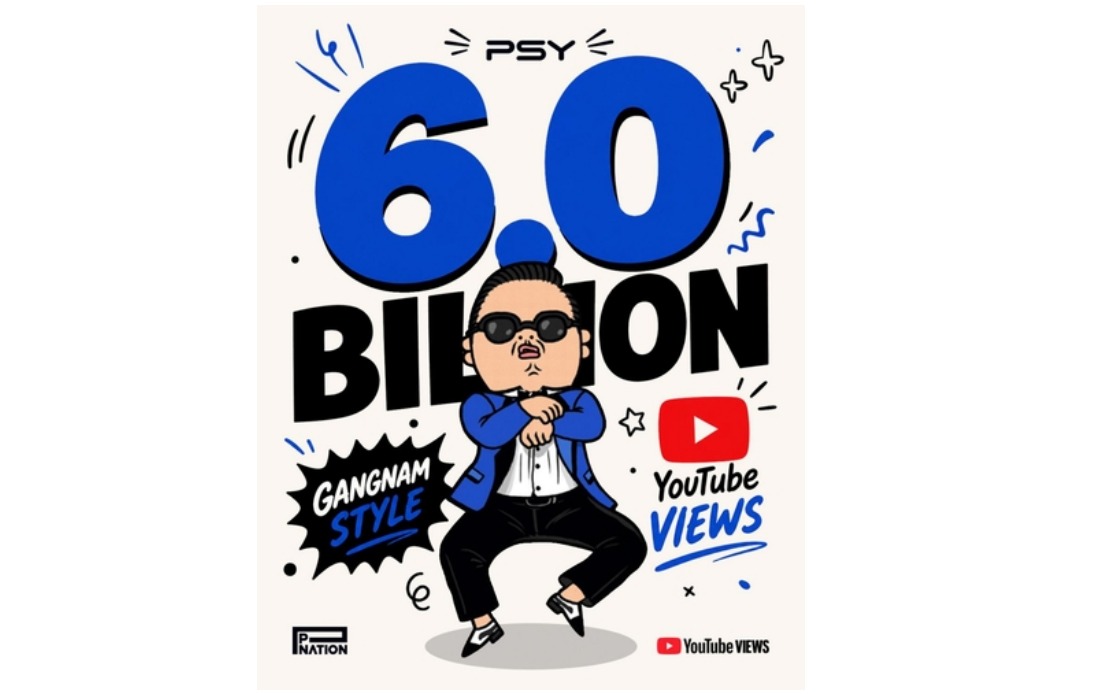
South Korean music star Psy has achieved a historic milestone with his 2012 smash hit 'Gangnam Style' surpassing 6 billion views on YouTube, solidifying its place as the most-watched K-pop music video of all time. The achievement was announced by P Nation, Psy's agency, following the video reaching the landmark figure on Friday, nearly 14 years after the track first captivated audiences in July 2012. The progression toward this record has been remarkably steady, with the video reaching 5 billion views just seven months earlier in December 2023, underscoring the song's sustained relevance in an increasingly crowded digital entertainment landscape.
The cultural significance of this achievement extends far beyond simple viewership statistics. P Nation described the milestone as more than a symbolic victory within K-pop history, emphasizing instead what it reveals about contemporary digital culture and cross-generational appeal. The agency's statement highlights a fundamental truth about content in the streaming era: viral moments can transcend their original context and maintain momentum across decades. For a video released in the early 2010s to continue accumulating billions of views demonstrates an unusual staying power that most entertainment products, particularly music videos, rarely achieve in the face of constant algorithmic churn and shifting consumer preferences.
Psy himself celebrated the remarkable milestone during a concert performance on Sunday, taking the opportunity to express gratitude directly to his fanbase for their continued support. During the same event, the South Korean entertainer made an announcement that will likely delight longtime followers: he promised to upload fresh content to YouTube in the near future. This gesture suggests an artist still actively engaged with the digital platforms that launched him to international prominence, rather than resting on past laurels. The commitment to create new material demonstrates awareness that audience loyalty requires ongoing artistic engagement and creative investment.
The origins of 'Gangnam Style' reveal much about how cultural commentary can achieve unexpected worldwide resonance. Released in 2012, the song offered a satirical perspective on the affluent Gangnam district in Seoul, a neighbourhood synonymous with luxury consumption and high-end lifestyles in South Korea. Rather than straight celebration, Psy's track employed wit and humour to examine the aspirational culture surrounding this exclusive area. This combination of sharp social observation and infectious entertainment proved to be precisely the formula audiences craved, transcending language and cultural barriers with remarkable ease.
The song's signature horse-riding dance became instantly recognizable across the globe, transforming 'Gangnam Style' from a simple pop recording into a participatory cultural phenomenon. The choreography's simplicity combined with its undeniable charm meant that fans worldwide could learn and replicate the moves, creating countless versions and variations across social platforms. This accessibility to the dance element likely contributed substantially to the video's enduring viewership, as people returned repeatedly to perfect their own renditions or enjoy others' creative interpretations.
Psy's commercial success through this single was unprecedented within the K-pop industry at that time. The track reached number two on Billboard's coveted Hot 100 chart, marking a significant achievement for Korean pop music in the American mainstream market. More importantly, 'Gangnam Style' became the first K-pop music video ever to cross the 1 billion view threshold on YouTube, establishing a precedent that subsequent generations of K-pop artists have built upon. This pioneering status placed Psy firmly in the historical record of the genre's global expansion.
The 6 billion milestone carries particular relevance for Malaysian and Southeast Asian audiences observing the trajectory of Korean cultural exports. The region has witnessed explosive growth in K-pop consumption over the past decade, with Malaysian fans constituting a substantial portion of the genre's global fanbase. Psy's early achievement demonstrated the international potential of Korean pop music at a moment when such success seemed less assured, effectively paving the way for subsequent waves of K-pop domination. Understanding how 'Gangnam Style' captured global imagination provides context for the contemporary K-pop phenomenon that now commands enormous audiences across Southeast Asia.
The steady accumulation of views reflects broader patterns in YouTube's evolution as a platform. While the video's initial explosive growth occurred during YouTube's earlier years, when viral content had perhaps more concentrated cultural impact, its continued climb suggests that algorithmic recommendations and nostalgic viewing patterns continue driving traffic. Younger audiences discovering the song for the first time through recommendations or social media references contribute to the view count, alongside long-time fans revisiting a cultural touchstone from their past.
Psy's continued relevance in the entertainment landscape, demonstrated by his ongoing concert performances and promised new content, contrasts with the trajectory of many one-hit wonder artists. While 'Gangnam Style' remains his most recognized work internationally, his ability to maintain an active presence in Korean entertainment suggests successful navigation of the transition from viral sensation to sustainable career. This positioning allows him to leverage the goodwill generated by his megahit while potentially introducing newer audiences to his evolving artistic output.
The achievement also illuminates changing metrics of success in the entertainment industry. Traditional measures like chart position and sales figures have been supplemented, if not entirely superseded, by streaming numbers and social engagement metrics. A video reaching 6 billion views represents not merely passive consumption but active choice by millions of individuals to spend their time and data allowance engaging with specific content. This metric carries real economic implications, translating viewership into revenue through advertising and other monetization mechanisms that sustain creators and platforms alike.

