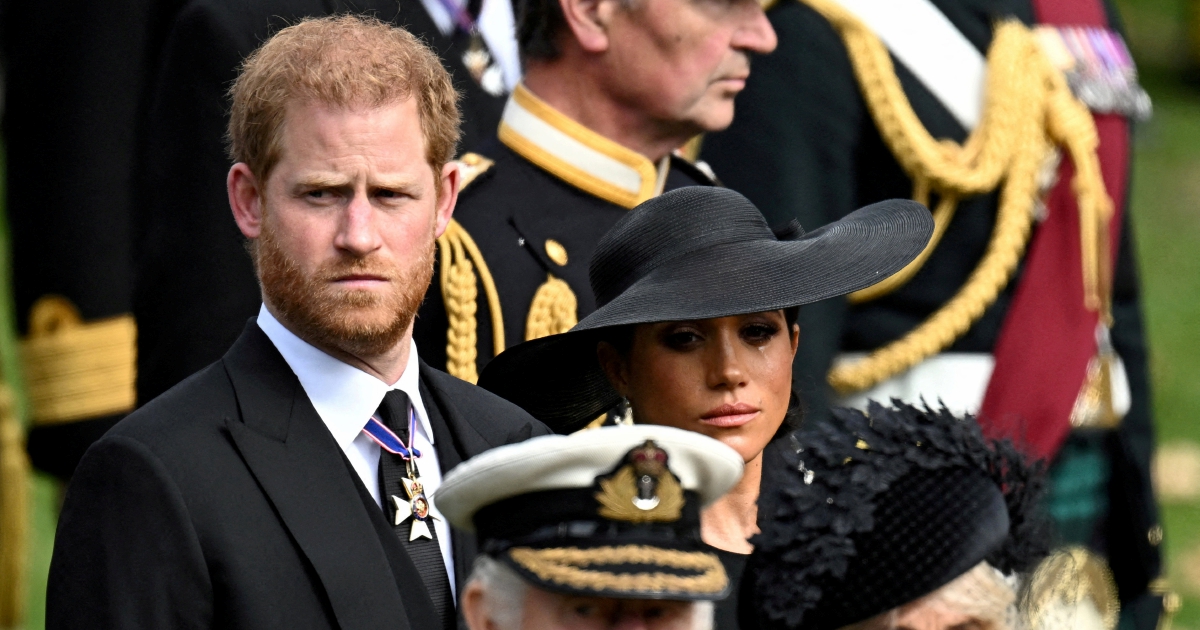
Prince Harry and several other high-profile individuals, including musician Elton John, face significant financial consequences following a judicial decision that their privacy cases against the Daily Mail's publisher were pursued in an unreasonable manner. The ruling means these claimants must now bear substantial portions of the newspaper's legal defence costs—a reversal that underscores the financial risks inherent in pursuing major media organisations through the courts, even on sensitive matters of personal privacy.
The case represents a pivotal moment in the ongoing tension between celebrity privacy rights and press freedom in the United Kingdom. Prince Harry has been particularly vocal about media intrusion and privacy violations, bringing multiple legal actions against various news organisations. His involvement in this matter highlights the complexity of holding powerful media outlets accountable while navigating the substantial costs and procedural requirements of litigation at the highest levels. The judgment suggests that courts are prepared to scrutinise not merely the merits of privacy claims but also the strategic and procedural approaches claimants adopt when pursuing such cases.
For Malaysian readers and regional observers, this development carries particular significance in understanding how established democracies handle conflicts between press freedom and individual privacy rights. The United Kingdom has long positioned itself as a defender of both press liberty and privacy protections, creating an intricate legal framework that courts must navigate on a case-by-case basis. This judgment demonstrates that even when claimants have legitimate privacy concerns, the manner in which they pursue legal remedies matters considerably to the judiciary.
The decision to order claimants to cover the Daily Mail publisher's legal costs represents a substantial financial burden that extends beyond the original lawsuit expenses. Such cost orders can reach millions of pounds, effectively serving as a deterrent to future privacy litigation and raising important questions about access to justice. When individuals must contemplate not only the possibility of losing their case but also funding their opponent's defence, the calculus of pursuing legitimate grievances shifts dramatically. This dynamic has implications for how ordinary individuals—not just wealthy celebrities—can challenge media organisations through legal channels.
The judge's characterisation of the claimants' approach as unreasonable suggests that procedural missteps or strategic choices influenced the outcome beyond the substantive privacy arguments themselves. Courts increasingly examine how cases are managed, the quality of evidence presentation, and whether claimants have followed proper procedures. In privacy litigation particularly, where the balance between public interest and personal rights remains contested, judges appear willing to penalise what they view as wasteful or poorly managed proceedings, regardless of the underlying validity of privacy concerns.
Elton John's participation in this case adds another dimension, as the musician has been notably outspoken about privacy violations and media harassment. His involvement alongside Prince Harry suggests a pattern among prominent figures experiencing similar grievances with tabloid journalism practices. The shared legal setback demonstrates that even celebrities with substantial resources and the ability to sustain lengthy litigation face considerable obstacles in securing favourable rulings against established media corporations.
From a Southeast Asian perspective, this case illuminates different regulatory approaches to media accountability. While many countries in the region operate under distinct legal frameworks governing press conduct and privacy protection, the UK experience demonstrates how litigation—even when unsuccessful—can be enormously expensive and carry unpredictable consequences. Some Southeast Asian media practitioners and legal scholars may view this outcome as supporting stronger statutory regulation of press conduct, arguing that making privacy enforcement dependent on individual litigation places unreasonable burdens on those seeking redress.
The ruling also reflects broader judicial conservatism toward large-scale litigation against media entities in common-law jurisdictions. Courts in the UK, Australia, and similar legal systems have historically been cautious about imposing restrictions on press freedom, even when protecting privacy. This judgment, by ordering unsuccessful claimants to fund their opponents' defence, reinforces that judicial system's preference for allowing media organisations considerable latitude in their operations. It suggests that privacy advocates pursuing cases must be exceptionally well-prepared and procedurally meticulous.
For Prince Harry specifically, this judgment compounds the difficulties he has faced in his extended campaign against what he characterises as invasive tabloid journalism. His various legal battles against media organisations have consumed considerable time, resources, and public attention. While he has secured victories in certain cases—most notably regarding phone hacking—this ruling represents a significant setback that may influence his strategy in future disputes with news organisations. The financial consequences of this judgment could impact his willingness to pursue additional litigation or the terms under which his legal team approaches such cases.
The broader implications for privacy litigation in common-law jurisdictions are substantial. This judgment sends a clear signal that courts expect claimants to conduct such cases with precision and reasonableness. It effectively raises the procedural bar for privacy complaints, requiring not just substantive merit but also methodical case management and proper legal strategy. For individuals considering privacy claims against major media corporations, the lesson is clear: inadequate preparation or procedurally questionable approaches can result in substantial financial penalties beyond the loss of the case itself.
This decision also raises questions about the practical effectiveness of privacy law as a tool for protecting individuals against media organisations. When courts impose significant costs on unsuccessful claimants while protecting media defendants' ability to absorb legal expenses through business operations, an imbalance emerges. The wealthy and well-resourced can better sustain legal campaigns, but even they face daunting financial consequences. This dynamic potentially reinforces existing power imbalances between media corporations and individuals seeking privacy protection through judicial mechanisms.
Moving forward, this judgment will likely influence how privacy cases are structured and pursued in UK courts and potentially in other common-law jurisdictions. Legal teams representing claimants in such matters will undoubtedly analyse what procedural decisions or strategic choices the judge found unreasonable, adjusting their approaches accordingly. The case serves as a cautionary tale about the intersection of privacy rights, press freedom, and procedural propriety in modern litigation, illustrating how outcomes can hinge not only on substantive legal questions but also on the methodologies employed in pursuing those questions.

