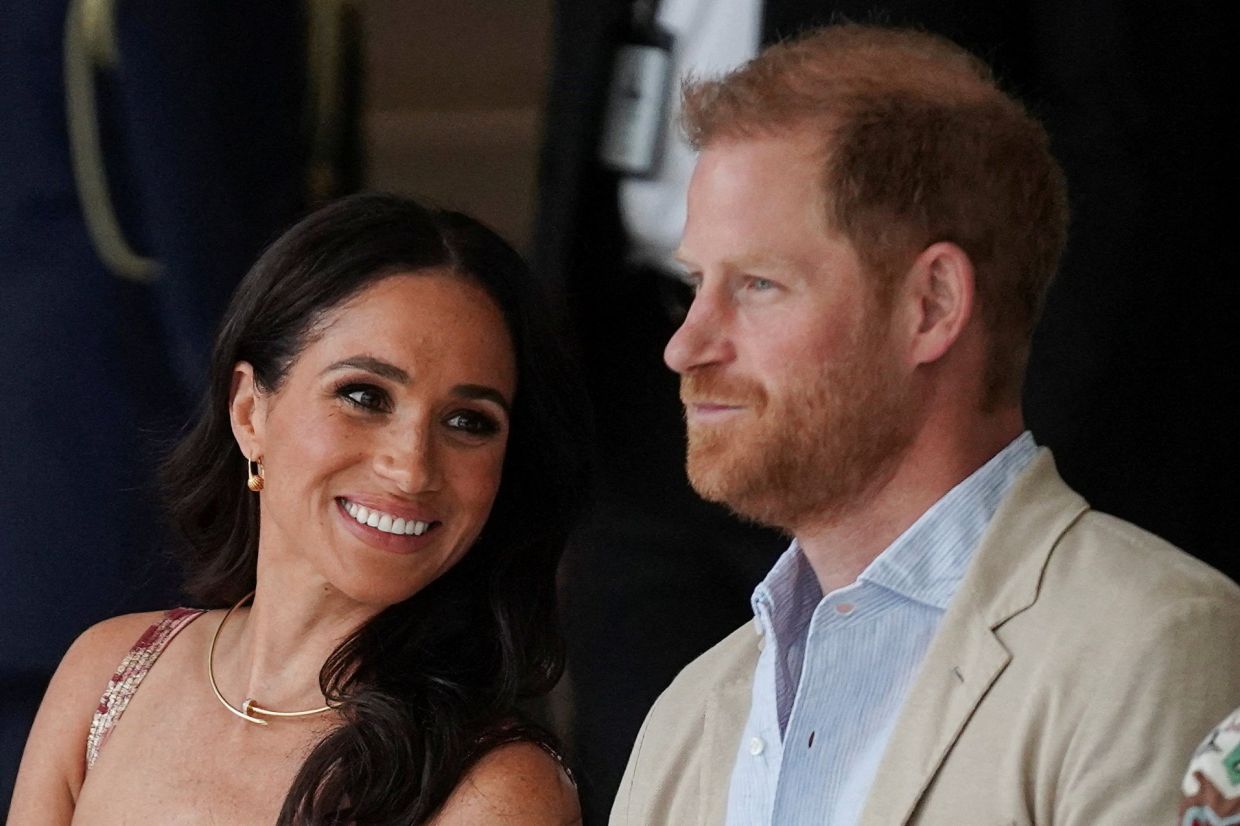
After more than six years away from British soil, Prince Harry and his wife Meghan are preparing to reverse their transatlantic move and bring their family back to the United Kingdom. The announcement, confirmed by British media outlets on Wednesday evening, marks a significant shift for the couple who departed to California in pursuit of independent commercial ventures and distance from the scrutiny that came with their royal status. Prince Archie, aged seven, and Princess Lilibet, five, have already been enrolled at schools in the UK with plans to commence their education in September, signalling a serious commitment to the relocation rather than a temporary arrangement.
The couple's return must be understood within the context of their dramatic departure from royal life in 2016. Harry and Meghan pursued lucrative media contracts with streaming giants Netflix and Spotify, building a business empire centred on their own brand and narrative control. This move represented not merely a change of residence but a fundamental restructuring of their public identity, away from the constraints and protocols that govern working members of the royal family. Nevertheless, sources close to the couple have emphasised that this homecoming does not signify a reversal of that earlier decision—they will not be resuming official royal functions or duties, remaining instead as non-working members of the institution.
The timing of this relocation appears inextricably linked to Harry's evolving relationship with his father, King Charles III, who is currently undergoing treatment for cancer. In recent public statements, the prince has expressed a genuine desire for family reconciliation, suggesting that geographic proximity might facilitate healing after years of acrimony. During a BBC interview, Harry acknowledged the fragility of time, remarking that he remains uncertain about his father's prognosis. This vulnerable admission contrasts sharply with the combative tone that characterised much of his public commentary during the years immediately following his departure from royal duty, indicating a possible maturation in his perspective regarding family relationships.
Charles was informed of the couple's intentions only on Sunday, notably after their visit to the UK last month. That previous trip saw Harry undertake a series of charitable engagements while Meghan and the children joined him for portions of the visit. The family spent time at Highgrove, the king's private estate in western England, providing Archie and Lilibet with their first opportunity to spend extended time with their grandfather since Queen Elizabeth II's platinum jubilee celebrations in 2022. The visit appeared to establish a foundation for improved relations, though both Buckingham Palace and representatives for Harry and Meghan have declined to offer extensive commentary on the developments, adhering to longstanding protocols regarding the private affairs of non-working royals.
The couple's relationship with the broader royal family remains decidedly fractious, particularly regarding Prince William, the heir to the throne. Former BBC royal correspondent Peter Hunt suggested that William would find the announcement particularly vexing, predicting it would provoke strong emotional reactions. Hunt also noted, however, that Harry's physical presence in the United Kingdom might ultimately prove conducive to resolving the brotherly rift, making it diplomatically more difficult for William to avoid engagement. The prince's return essentially forces a reckoning with family divisions that have been manageable through geographic separation but potentially more challenging to ignore when the protagonists share the same country.
Underlying Harry's motivations for returning lie several unresolved legal and security grievances that have poisoned his relationship with both the media establishment and government institutions. His protracted battle against British tabloid newspapers has consumed considerable emotional and financial resources, with Harry alleging systematic phone hacking and privacy violations dating to his youth. A particularly costly judgment has left him potentially liable for millions of pounds in legal fees owed to Associated Newspapers, with the publisher's costs alone totalling £34.5 million. These legal defeats have accumulated alongside his unsuccessful court challenge against the government's decision to refuse armed police protection for the family when in the UK.
The security issue represents a particularly sensitive matter for Harry, who contends that his family's royal status alone justifies protection regardless of their working status. This argument has been rejected by British courts and government bodies, leaving the prince facing a genuine vulnerability during visits home. The decision to relocate the children to the UK thus carries implicit risks and uncertainties, requiring the family to navigate security arrangements in a jurisdiction that has demonstrated unwillingness to provide state-funded protection. This practical challenge underscores the complexity of the couple's position—they retain royal connections and privileges but lack the formal status that typically guarantees state security arrangements.
From a Southeast Asian perspective, the story resonates with broader themes concerning family reconciliation, the tension between individual autonomy and institutional obligation, and the challenges facing public figures seeking to escape media scrutiny. Malaysia's own royal institutions and the region's monarchical systems share certain structural similarities with the British model, making the Harry and Meghan saga relevant to understanding how contemporary royals navigate evolving expectations. Their commercial media ventures with Netflix and Spotify have also gained substantial viewership throughout Asia, lending the couple a cultural presence beyond their royal pedigree.
The relocation also represents a practical acknowledgment that the couple's vision of complete separation from British life proved unsustainable. Their children possess British heritage and connections that Meghan and Harry evidently believe warrant cultivation through residence and education in their home country. The decision to place the children in British schools suggests a recognition that certain advantages and opportunities derive from being rooted in the UK, even as the parents maintain their distance from formal royal responsibilities. This represents a more nuanced position than their earlier binary choice between full engagement with royal duty or complete separation.
Looking forward, the arrangement presents opportunities for gradual reconciliation while preserving the independence that motivated the initial departure. Harry's ability to spend more time with King Charles, in person rather than through occasional visits, may contribute to healing that has begun with recent meetings but requires sustained presence to deepen. Whether the couple's return will also facilitate rapprochement with William remains uncertain, though their physical presence in the UK raises the stakes for resolving that relationship. The coming months will reveal whether this relocation represents a genuine turning point in the royal family's fractured dynamics or merely another chapter in an ongoing saga of separation and selective engagement.

