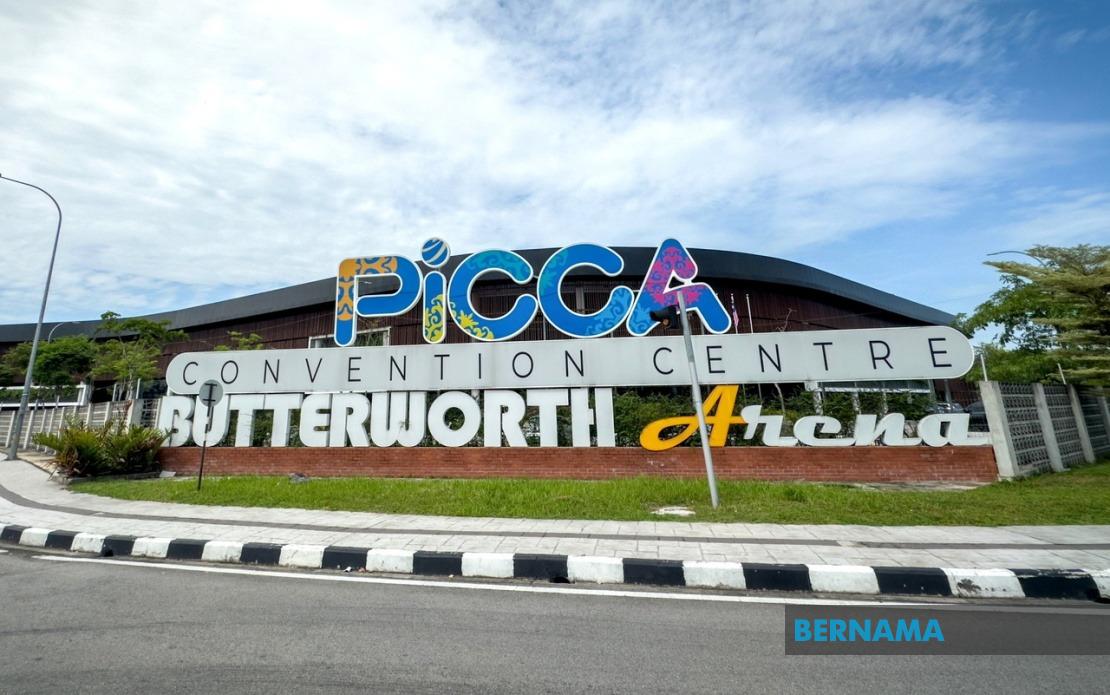
The sixth edition of Malaysia's National Journalists' Day (HAWANA) reached its crescendo at the PICCA@Arena Butterworth Convention Centre in Penang, where approximately 1,000 media practitioners from across Malaysia and overseas gathered to celebrate the role of journalism in strengthening democratic institutions. Prime Minister Datuk Seri Anwar Ibrahim officiated the grand finale, underscoring the government's commitment to recognising the profession's vital place in the nation's development and the dissemination of credible information to the public.
Centred on the theme 'Media Integrity Strengthens Credibility', the 2026 celebration reflected broader concerns across Southeast Asia about misinformation, the erosion of trust in institutions, and the responsibility of journalists to serve as gatekeepers of factual information. The emphasis on integrity comes amid a global climate of heightened scrutiny on media organisations, where maintaining public confidence requires demonstrable commitment to editorial standards and transparent sourcing practices. For Malaysian newsrooms, the occasion provided an opportunity to reaffirm professional standards and refocus on the foundational principles that distinguish legitimate journalism from rumour-mongering and sensationalism.
The event drew senior government officials including Penang Chief Minister Chow Kon Yeow and Communications Minister Datuk Fahmi Fadzil, alongside leadership from Bernama, Malaysia's national news agency. The presence of these dignitaries reflected the state's recognition that a robust media ecosystem underpins good governance, accountability, and informed civic participation. The ceremony also welcomed international participants, including delegations from Indonesia's Antara News Agency, the Vietnam News Agency, Xinhua, and the Indonesian Journalists Association, highlighting the regional dimension of journalism and the shared challenges media organisations face across Southeast Asia in an era of digital disruption and evolving audience expectations.
A centrepiece of the celebration was the presentation of HAWANA Awards and Special HAWANA Awards, bestowed on individuals whose careers have meaningfully advanced the profession and shaped public understanding on significant issues. These recognitions serve not merely as ceremonial acknowledgements but as validations of excellence within a profession that frequently operates under resource constraints and mounting pressures. The awards ceremony emphasised that journalism's influence on public consciousness—whether through investigative work, explanatory reporting, or commentary—deserves formal recognition alongside traditional markers of professional success.
The event also highlighted a compassionate dimension of the profession through the Tabung Kasih@HAWANA initiative, which directs financial support to veteran journalists facing hardship. This welfare component acknowledged the reality that many journalists, particularly those from earlier generations or smaller outlets, may lack adequate retirement provisions or support networks. By institutionalising assistance, the profession demonstrates solidarity with its members and recognises that career longevity in journalism often comes with personal and financial sacrifices made in service to the public interest.
Beyond the formal ceremonies, HAWANA 2026 unfolded as a broader cultural celebration, with the three-day RIUH Pi HAWANA Carnival transforming the PICCA Convention Centre parking area into a vibrant marketplace. The carnival featured performances by established Malaysian artists including Exists, Bunkface, Masdo, Sakura Band, Budak Nakal Hujung Simpang, and Chelsea Ng, creating an accessible entry point for the general public to engage with media practitioners and the broader communications ecosystem. This populist approach to celebrating journalism—embedding it within entertainment, food, and interactive experiences—reflects a deliberate strategy to elevate journalism's profile beyond professional circles and foster greater public appreciation for the work journalists undertake.
The carnival hosted more than two dozen local creative product brands and two dozen food and beverage vendors, effectively transforming what could have been a strictly professional gathering into a community festival. This integration of creative industries and culinary enterprises alongside journalistic practice suggests an understanding that contemporary media operates within a broader ecosystem where content creators, digital designers, and cultural practitioners contribute to the landscape of information and storytelling. The interactive workshops offered throughout the event provided skill-building opportunities, hinting at efforts to modernise journalism training and adapt to evolving technological and audience demands.
Preceding the grand finale were several carefully sequenced preparatory events, including a media forum on May 7, a strategic partners engagement session on June 4, and a fun walk on June 14. This graduated approach to celebration allowed different segments of the media community to participate meaningfully and ensured that substantive discussion of professional standards occurred alongside ceremonial recognition and public celebrations. The sustained engagement over several weeks extended HAWANA's impact beyond a single day, embedding the occasion within the professional calendar and encouraging ongoing reflection about journalism's role and future.
HAWANA itself commemorates the May 29, 1939 publication of Utusan Melayu, Malaysia's pioneering Malay-language newspaper, establishing a historical continuum between pre-independence journalism and contemporary practice. This historical grounding reminds the profession of its foundational role in the anti-colonial struggle and nation-building, framing modern journalism within a narrative of patriotic service. The annual observance organised by the Ministry of Communications, with Bernama as implementing agency, underscores official recognition that media practitioners function as essential conveyors of accurate, verified, and authoritative information—a formulation that positions journalism as fundamentally linked to informed citizenship and public welfare.
For Malaysian and Southeast Asian readers, HAWANA 2026 carries particular significance amid regional trends of digital media fragmentation, declining trust in institutions, and the rise of algorithmically-amplified misinformation. The emphasis on integrity and credibility directly addresses these challenges, signalling that Malaysia's professional journalism community remains committed to standards and ethical practice. The international participation, particularly from neighbouring Indonesia and Vietnam, reflects shared regional concerns and suggests potential for collaborative approaches to training, standards-setting, and advocacy across Southeast Asia's increasingly interconnected media landscape. As journalists across the region navigate pressures from both commercial forces and political actors, occasions like HAWANA serve as morale-boosting affirmationes that the profession's essential work remains recognised and valued.