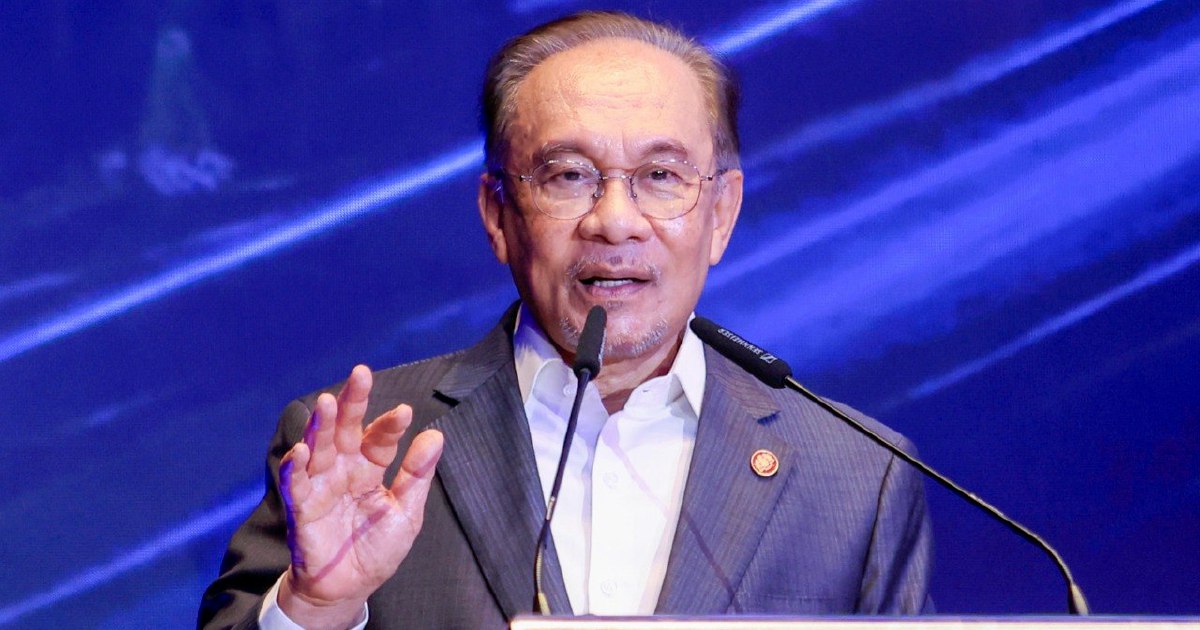
Prime Minister Datuk Seri Anwar Ibrahim has commenced a series of medical examinations and diagnostic procedures at the direction of his medical specialists. The assessments form part of the Prime Minister's regular health management routine, undertaken to ensure continued fitness for his demanding role leading the nation's government.
The medical team overseeing the Prime Minister's healthcare comprises specialists with expertise across multiple disciplines. These professionals have collectively determined the scope and nature of the examinations required, reflecting established protocols for monitoring the health of the country's chief executive. The comprehensiveness of the assessment process indicates a systematic approach to preventive healthcare among Malaysia's top leadership.
Following completion of the initial examinations and procedures, the Prime Minister is scheduled to remain under continuous medical observation for an extended two-day period. This monitoring phase will allow medical specialists to track his response to the diagnostic procedures and gather additional clinical data that informs his ongoing health management. The structured observation period represents standard medical practice when senior government officials undergo comprehensive health evaluations.
The timing of these medical assessments carries implications for Malaysia's administrative continuity. The Prime Minister's office has ensured that appropriate arrangements are in place to maintain governmental operations while he undergoes medical evaluation. Malaysia's constitutional framework and established protocols for executive succession provide mechanisms to ensure that essential state functions continue uninterrupted during periods when the Prime Minister requires medical attention.
For Malaysian citizens and regional observers, transparency regarding the health status of the nation's chief executive carries significant importance. Public confidence in governmental institutions rests partly upon clear communication about the wellbeing of those holding high office. The disclosure of these medical examinations demonstrates a commitment to keeping the public appropriately informed, while respecting the personal privacy dimensions inherent in medical matters.
The health of Southeast Asia's senior political leaders influences regional stability and the continuity of bilateral relationships. Malaysia's economic performance and foreign policy positioning depend substantially upon stable executive leadership. Accordingly, the medical assessments underscore the institutional commitment to maintaining the fitness of the Prime Minister for his constitutional role.
Datuk Seri Anwar Ibrahim assumed office following the 2022 general election, navigating a complex political landscape while addressing pressing national concerns including economic management, inflation control, and infrastructure development. The demands of the position require sustained physical and mental resilience, making regular medical oversight a necessity rather than discretionary. The Prime Minister's engagement with comprehensive health evaluations demonstrates appropriate personal responsibility for managing the demands of high office.
Malaysia's institutional approach to leadership health reflects evolving standards of governance transparency. Unlike previous eras when government health matters remained entirely confidential, contemporary practice in Malaysia and other mature democracies recognises that citizens possess legitimate interest in the medical fitness of their elected leaders. This measured approach balances personal privacy with public interest considerations.
The specialist medical team directing these examinations operates independently in their clinical judgments, uninfluenced by political considerations. Malaysia's healthcare professionals maintain rigorous professional standards regardless of the status of their patients. The comprehensive nature of the Prime Minister's medical assessment reflects these professional standards applied to the nation's most senior official.
Regional governments frequently examine such protocols when considering optimal practices for managing the health of chief executives. The medical frameworks established in Malaysia contribute to broader discussion across Southeast Asia regarding appropriate governance standards. As the region continues developing sophisticated institutional structures supporting democratic accountability and administrative stability, health management protocols for senior leaders represent one component of comprehensive governance architecture.
The two-day monitoring period following diagnostic procedures will generate clinical observations that contribute to the Prime Minister's longitudinal health profile. These findings will inform his ongoing medical management and guide any necessary adjustments to healthcare interventions or lifestyle modifications. Specialized monitoring during this window allows medical professionals to detect any delayed responses to procedures and ensures comprehensive data collection.
For Malaysia's international standing, the continuity and stability provided by secure executive health protocols strengthens investor confidence and demonstrates sophisticated institutional governance. Foreign partners and economic collaborators gain assurance from knowing that Malaysia's leadership operates within robust health management frameworks ensuring continuity of decision-making authority.
The completion of these medical examinations and the subsequent monitoring period represent routine components of responsible healthcare for senior government officials. The medical team's expertise, the Prime Minister's cooperation with established protocols, and the public communication regarding these assessments collectively reflect contemporary standards of governance combining individual privacy protections with legitimate public interest in the fitness of elected leaders.

