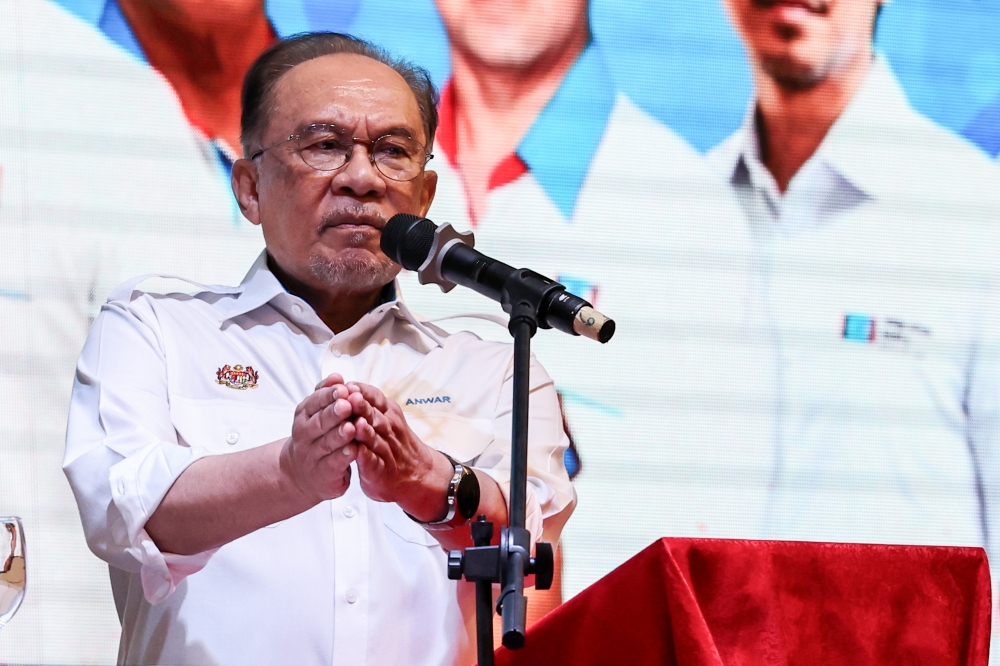
Prime Minister Datuk Seri Anwar Ibrahim has delivered a stinging rebuke of the financial mismanagement at Tabung Haji, Malaysia's pilgrimage savings institution, describing the loss of RM12 billion as clear evidence of deliberate siphoning that demands investigation and prosecution. Speaking in Melaka on August 15, Anwar invoked the Malay term "sakau"—which colloquially refers to illicit or fraudulent diversion of funds—to characterise what the Royal Commission of Inquiry has uncovered at the troubled institution.
The RM12 billion shortfall represents one of the most significant institutional losses in Malaysian financial history, and the Prime Minister's unusually direct language signals the government's determination to pursue those responsible. By using the colloquial term "sakau" rather than formal legal terminology, Anwar appeared to be speaking to public sentiment and emphasising the egregious nature of what occurred at an institution entrusted with the savings of hundreds of thousands of Malaysian pilgrims.
Tabung Haji's troubles have accumulated over years of problematic property investments, related-party transactions, and governance failures that transformed what was meant to be a safe repository for pilgrim savings into a source of substantial losses. The Royal Commission's investigation, formally tasked with examining the causes of the institution's financial deterioration, has now produced findings that suggest systemic failures rather than isolated errors. Anwar's response indicates the government will not treat these matters lightly or allow them to fade from public attention.
The scale of the loss places considerable pressure on the Prime Minister's administration to demonstrate that accountability mechanisms are functioning. Tabung Haji operates under unique regulatory structures and enjoys quasi-governmental status, making it a particularly sensitive institution where public trust has been severely damaged. For Malaysian pilgrims, many of whom are ordinary citizens saving over years to perform the Hajj, the discovery of such substantial losses strikes at the heart of faith in institutional stewardship.
Anwar's emphasis on the need for investigation reflects growing public demand for clear consequences for those involved in decision-making at Tabung Haji. The institution's management, board members, and investment advisors have faced scrutiny regarding their roles in approving transactions that ultimately destroyed shareholder value. The Prime Minister's tough stance suggests that recommendations from the Royal Commission of Inquiry will be pursued through appropriate legal channels rather than shelved.
This episode also carries implications for broader governance reform across Malaysian institutions. Tabung Haji's experience demonstrates how inadequate oversight, weak board independence, and conflicts of interest can accumulate into catastrophic financial damage. The government has positioned itself as committed to rectifying such weaknesses, though critics argue that systemic reforms have often been slow in materialising despite repeated institutional failures.
The financial recovery of Tabung Haji remains uncertain. With RM12 billion already lost, the institution faces the challenge of restoring the savings of pilgrims who have contributed in good faith. Whether through government bailouts, asset recovery efforts, or restructuring, Malaysian taxpayers and pilgrims may ultimately bear the cost of resolving this crisis. Anwar's firm language suggests the government recognises the political and social damage of inaction.
Regionally, Malaysia's experience with Tabung Haji offers cautionary lessons for other Southeast Asian nations managing similar institutions dedicated to religious practices or social savings. Governance standards, investment discipline, and transparent accountability structures have proven inadequate at Tabung Haji, raising questions about whether comparable institutions across the region face comparable risks.
The path forward for Tabung Haji will likely involve forensic investigation of specific transactions, asset recovery where possible, and institutional restructuring to restore confidence. Anwar's public condemnation establishes a clear political framework within which the government expects such processes to unfold, signalling that this matter will not be allowed to drift into bureaucratic limbo. For Malaysian pilgrims whose retirement savings have been jeopardised, and for the broader public concerned about institutional integrity, the coming months will be critical in determining whether accountability is delivered or whether the matter becomes another cautionary tale of institutional failure.

