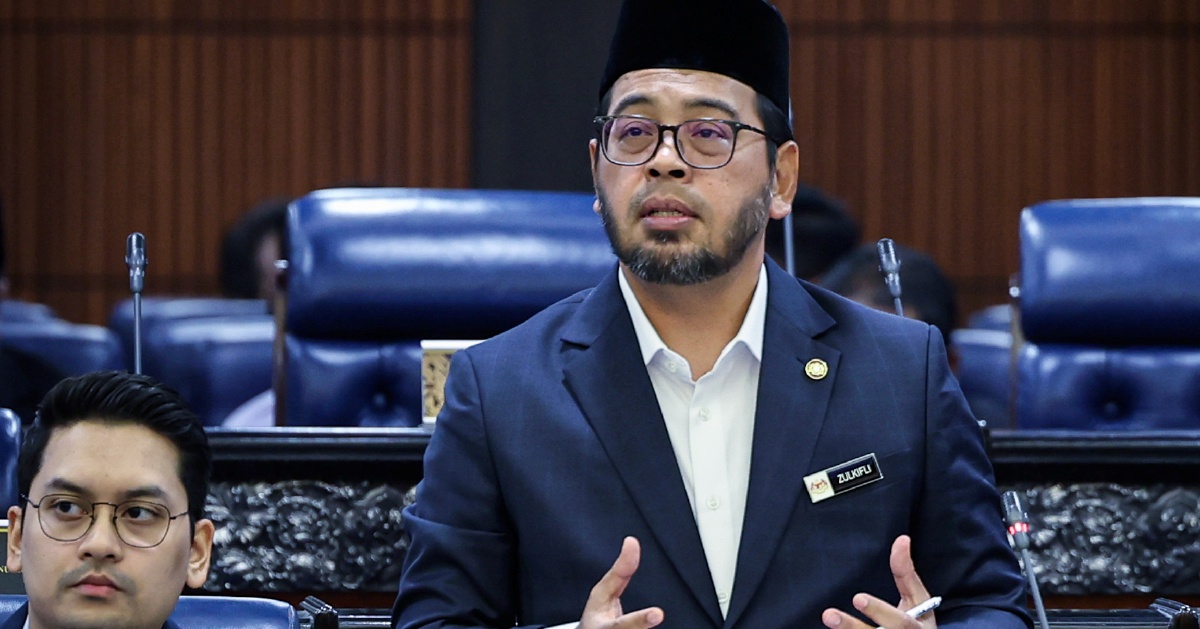
The disclosure of a years-long delay in releasing a critical government report has reignited scrutiny of former Prime Minister Datuk Seri Ismail Sabri Yaakob's administration and its approach to public accountability. An opposition figure has demanded that Ismail Sabri provide a substantive explanation for why the Royal Commission of Inquiry (RCI) report examining Lembaga Tabung Haji (TH) was kept from public view for almost four years, marking a significant challenge to the transparency commitments that the previous government pledged during its tenure.
The withholding of the RCI report represents a notable breach in the expected protocols surrounding independent investigative bodies established to examine matters of significant public concern. Such commissions are typically created to shed light on systemic issues, governance failures, or financial irregularities, and their findings are ordinarily meant to inform policy corrections and restore public confidence. The protracted delay in releasing this particular report raises fundamental questions about the decision-making processes within the former administration and whether political considerations may have influenced the timing of disclosure.
Lembaga Tabung Haji operates as Malaysia's pilgrimage savings institution, serving hundreds of thousands of Malaysians planning to undertake the hajj pilgrimage. The organization's financial health and governance standards are matters of direct concern to Muslim citizens across the nation, making transparency about any RCI findings particularly crucial. When an independent inquiry examines the institution and its operations, the public reasonably expects that findings will be disclosed in a timely manner, allowing affected parties and policymakers to act on the commission's recommendations.
The four-year gap between the completion of the inquiry and the eventual release of its findings appears extraordinarily lengthy by any standard of responsible governance. Government reports of this nature are typically released within months of completion, allowing for necessary administrative coordination and parliamentary proceedings. The extended period raises legitimate questions about what factors prompted the delay and whether there were efforts to manage the political fallout from potentially critical findings before public disclosure became unavoidable.
Ismail Sabri led the previous government until his coalition lost the 2022 general election, after which the current administration assumed office. The new government's decision to release the previously withheld report may reflect a shift toward greater transparency, or it may have simply become politically expedient to disclose information that had become untenable to suppress indefinitely. Regardless of the circumstances prompting release, the former prime minister now faces pressure to account for the initial decision to withhold the document.
The opposition's call for an explanation reflects broader concerns about institutional credibility in Malaysia's governance framework. When senior government figures refuse or delay transparency regarding independent commission findings, it undermines confidence in both the investigative process and the administration's commitment to accountability. This dynamic proves particularly damaging when public institutions like TH are involved, as citizens depend on these organizations to safeguard their financial interests and operate with integrity.
From a constitutional and administrative perspective, the executive's relationship with independent commissions of inquiry involves delicate considerations. While governments may have legitimate reasons for managing the timing of sensitive reports, these must be weighed against the overriding principle that findings from properly constituted independent bodies should reach the public without undue delay. Excessive secrecy surrounding such reports invites speculation about the contents and the motivations behind suppression, potentially causing greater reputational damage than prompt disclosure would have occasioned.
The case also illuminates broader patterns within Malaysia's governance landscape regarding information access and administrative transparency. Citizens and observers have increasingly questioned extended delays in releasing investigative reports, budget documents, and other government information. These delays occur even when documents contain no obvious national security implications, suggesting that political risk management rather than legitimate confidentiality concerns may drive decisions to withhold information from public scrutiny.
For Malaysian readers and regional observers, this episode underscores the importance of institutional independence and timely disclosure in maintaining public trust. Countries that establish investigative commissions but then suppress their findings risk eroding the legitimacy of these mechanisms, making them appear like tools for political cover-up rather than genuine attempts at accountability. As Malaysia continues evolving its governance standards, expectations around transparency and the treatment of independent commission reports will likely intensify.
The pressure on Ismail Sabri to explain the withholding ultimately reflects a maturing democratic discourse in which government decisions face sustained scrutiny across administrations. Rather than treating report release as a settled matter once the current government chose to disclose, stakeholders appropriately demand explanations from previous decision-makers. This accountability mechanism, while sometimes uncomfortable for former officials, strengthens institutional norms around transparency and discourages future governments from suppressing inconvenient findings for extended periods.

