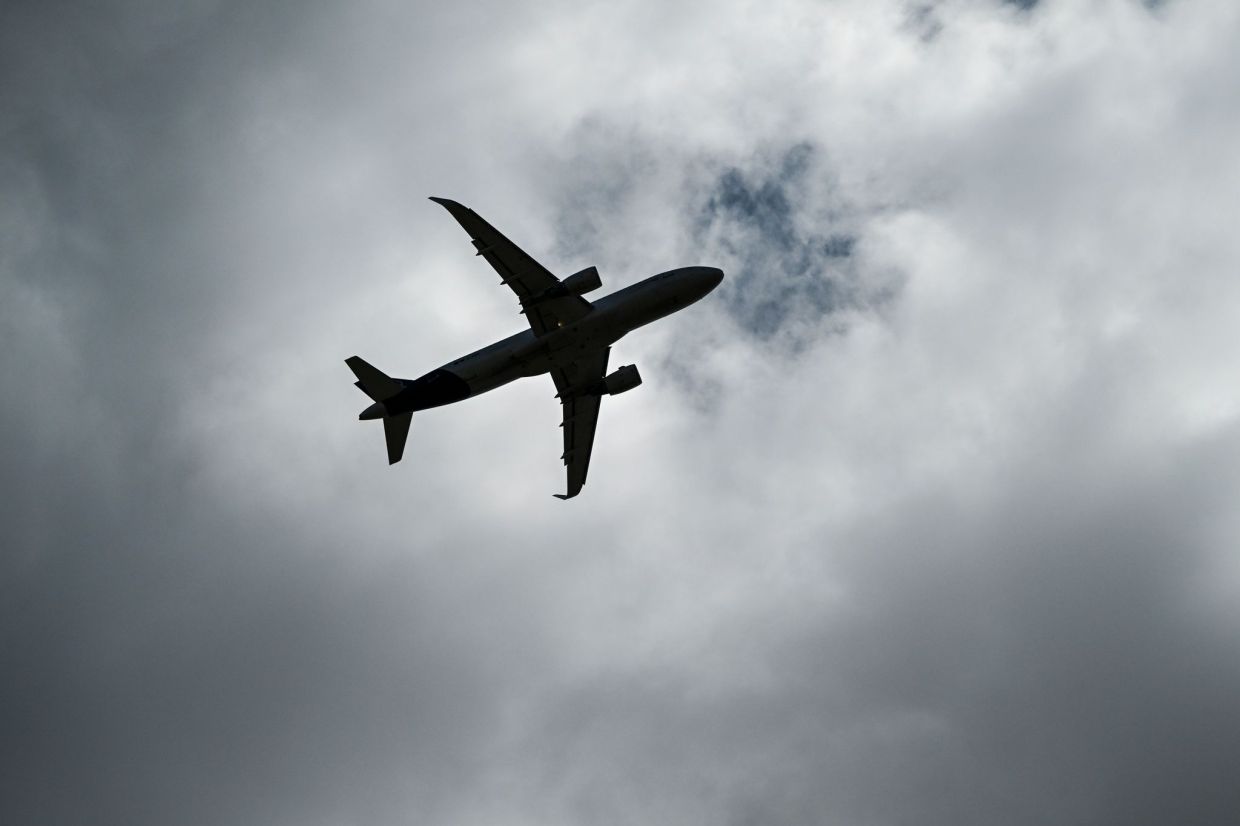
A Swiss International Air Lines flight carrying 206 passengers was forced to divert to Dublin when a power bank in the cabin began emitting smoke, prompting the crew to declare an emergency and request priority landing clearance. The aircraft, which departed from Switzerland bound for Boston, descended to the Irish capital as a precautionary measure after the onboard incident was detected. While passengers were accommodated in hotels overnight, the airline arranged alternative connections to complete their journeys, illustrating the substantial disruption caused by the malfunction of a single portable device.
This episode represents the second time in fourteen days that electronic device failures have necessitated an unscheduled landing on a Lufthansa Group carrier. The previous incident occurred in July when a Swiss flight originating in Zurich and headed for New York diverted to Bangor, Maine after smoke developed in the passenger cabin. In that case, the culprit was a wireless headphone charging case that had become lodged beneath the seats, where it sustained damage and subsequently ignited. The consecutive nature of these occurrences has prompted heightened scrutiny of cabin safety protocols across the German-based airline group.
In response to these recurring incidents, Lufthansa has implemented a comprehensive overhaul of its power bank policies effective from the start of 2026. The measures represent a significant tightening of restrictions that had previously allowed more permissive handling of lithium-ion battery devices. Under the new framework, passengers are strictly forbidden from using or charging power banks during flights across all Lufthansa Group operations, which encompasses Swiss, Lufthansa mainline, and other subsidiary carriers serving European and international routes. The regulation extends beyond flight time to encompass all charging activities while the aircraft is occupied by passengers.
The carrier permits each traveller to carry a maximum of two power banks in their hand baggage, but their placement is now strictly regulated for safety purposes. These devices must be stored either in the seat pocket immediately in front of the passenger, on the passenger's person in a pocket or bag, or within carry-on luggage positioned beneath the seat. This carefully prescribed arrangement aims to minimise the risk of devices becoming trapped or damaged in ways that might cause thermal runaway or combustion. The prohibition on storing power banks in overhead compartments or within checked luggage reflects international best practices regarding lithium-ion battery transportation in pressurised aircraft cabins.
Power banks rated between 100 watt-hours and 160 watt-hours now require pre-flight approval from Lufthansa before passengers may bring them aboard. This threshold-based approval system allows the airline to individually assess higher-capacity devices that fall within the permissible range under international regulations but present elevated risk due to their energy density. Medical devices that serve therapeutic purposes remain exempt from these restrictions, acknowledging that some passengers depend on battery-powered equipment for health management during travel. The airline notes that these regulations align with recommendations issued by major international aviation safety authorities, suggesting that similar measures may eventually be adopted across the industry.
Luftshansa's guidance emphasises that electronic cigarettes face identical restrictions to power banks, reflecting concerns about lithium-ion battery failures across multiple device categories. E-cigarettes are prohibited from checked baggage and overhead storage for identical safety reasons, and they too require approved storage locations during flight. This parallel treatment underscores that the risks associated with lithium-ion batteries transcend particular device types and stem from the fundamental chemistry of the battery technology itself. As more passengers travel with multiple battery-powered devices, airlines face mounting pressure to manage cumulative risk in cabins where emergency response options remain limited.
For Malaysian travellers planning to fly with Lufthansa or its subsidiaries, the implications are straightforward but important. Power banks have become ubiquitous travel companions for passengers managing long-haul journeys across time zones and maintaining connectivity throughout their trips. However, those planning to fly with Lufthansa Group carriers must adjust their packing strategies and device usage patterns to comply with these new requirements. Airlines typically enforce such regulations inconsistently across different staff and routes, yet safety incidents create political and legal pressure for strict compliance, meaning that violations risk confiscation of devices at the gate or denial of boarding.
The incident also highlights broader questions about lithium-ion battery safety in aviation that extend beyond power banks. Consumer electronics manufacturers have faced criticism for designing devices with batteries that cannot be easily removed by users, meaning that defective or degraded batteries remain permanently installed. As secondary battery devices like power banks proliferate, passengers now carry multiple lithium-ion energy sources aboard each flight. The cumulative risk posed by dozens of independently owned power banks, headphone cases, and portable devices in a single pressurised cabin remains poorly quantified, yet these incidents suggest the margins of safety may be narrower than previously assumed.
Luftthansa's decisive action reflects the airline's assessment that the risks justify restricting passenger convenience in pursuit of demonstrable safety improvements. Other carriers have adopted less stringent policies, creating a competitive disadvantage for Lufthansa if passengers perceive the rules as onerous. However, the reputational damage from a catastrophic inflight battery fire would dwarf any booking losses from stricter policies, creating powerful incentives for the airline to prioritise caution. Regional and Southeast Asian carriers should monitor these developments carefully, as passenger expectations for consistent rules across airlines may eventually drive industry-wide standardisation of power bank regulations.
Ultimately, the Dublin diversion and preceding Bangor incident serve as potent reminders that seemingly minor devices can pose significant safety challenges in the unique environment of commercial aviation. Passengers bear responsibility for understanding and complying with airline-specific rules before travelling, yet many remain unaware of restrictions or assume personal devices present no meaningful danger. Lufthansa's public communication of these new rules represents an effort to educate travellers, though compliance ultimately depends on passenger awareness and cooperation. For Malaysian travellers accustomed to using power banks throughout their journeys, adapting to Lufthansa's restrictions may prove inconvenient, but the safety rationale underlying these measures commands respect.

