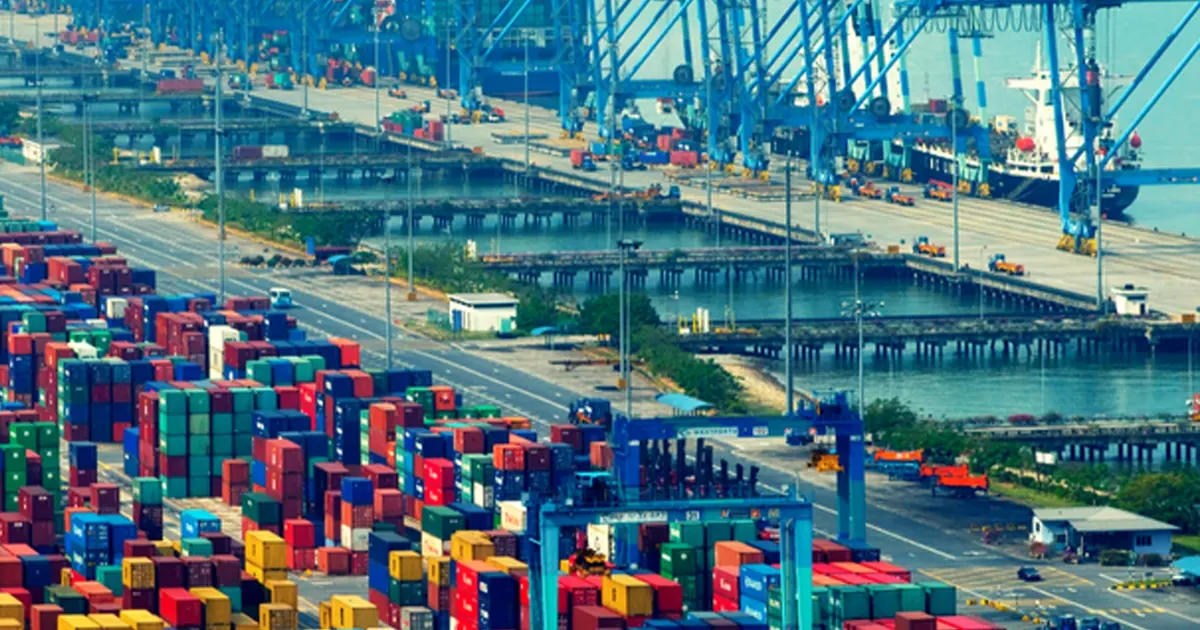
The Port Klang Free Zone (PKFZ) has logged RM108 million in revenue, with its reactivation initiative approaching completion at 86 per cent. According to Transport Minister Loke Siew Fook, the facility has delivered consistent and positive growth throughout the past 18 months, marking a significant turnaround for Malaysia's largest multipurpose free trade zone.
This financial milestone arrives as the nation continues navigating post-pandemic supply chain normalisation and seeks to strengthen its position in regional trade corridors. The PKFZ, located in Port Klang within the Selangor region, serves as a critical gateway for Malaysia's imports and exports. Its operational resurgence carries broader implications for logistics-dependent sectors including manufacturing, retail, and e-commerce that rely on efficient port facilities.
The reactivation programme represents a comprehensive effort to restore the facility's full capacity and operational efficiency. At 86 per cent completion, the initiative demonstrates sustained momentum in infrastructure rehabilitation. This progress reflects an integrated approach combining facility upgrades, workforce training, technology implementation, and stakeholder engagement. The steady advancement suggests that PKFZ management has addressed historical operational challenges that previously constrained the zone's performance and competitiveness.
For Malaysian businesses engaged in regional and global trade, the PKFZ's recovery holds tangible advantages. A fully operational free zone reduces customs clearance delays, lowers warehousing costs, and enhances supply chain predictability. These efficiency gains translate into improved profit margins for trading companies and manufacturers who depend on rapid goods movement. Southeast Asian competitors have likewise invested in port infrastructure modernisation, making PKFZ's rehabilitation essential for maintaining Malaysia's trade competitiveness within the region.
The revenue generation of RM108 million reflects both fee collections from tenants and commercial activities within the zone. This income supports ongoing infrastructure maintenance, security operations, and facility management expenses. Additionally, retained revenue enables reinvestment in technological upgrades such as digitalised documentation systems, real-time cargo tracking, and automated warehousing solutions that further enhance operational efficiency and user experience.
The timeline of 18 months of growth signals sustained business confidence in the facility's direction. Companies typically commit substantial capital to establish operations within free zones, and their continued engagement indicates satisfaction with service quality, reliability, and cost-effectiveness. This confidence encourages additional private sector investment in warehouse expansion, value-added processing facilities, and distribution hubs that generate employment and economic activity.
Transport Minister Loke's assessment of steady, encouraging growth emphasises that progress remains on track despite complex infrastructure challenges inherent in modernising a major trade facility. The language suggests that performance metrics beyond pure revenue—including cargo throughput, vessel calls, tenant satisfaction, and operational uptime—align positively with strategic objectives. Such comprehensive improvement extends PKFZ's appeal beyond traditional bulk cargo operations toward higher-value, time-sensitive goods requiring professional logistics handling.
From a national economic perspective, PKFZ's revitalisation contributes to Malaysia's broader port competitiveness against regional counterparts in Singapore, Thailand, and Vietnam. Port efficiency directly impacts the nation's cost of doing business, affecting foreign direct investment decisions and export competitiveness in global markets. The RM108 million revenue baseline, combined with approaching full operational capacity, positions PKFZ to capture additional market share as global supply chains rebalance and diversify away from single-source dependencies.
The 86 per cent reactivation milestone indicates that project management has successfully navigated technical, regulatory, and operational hurdles. Final completion across remaining phases likely addresses specialised cargo handling capabilities, cybersecurity infrastructure, or environmental compliance certifications that demand meticulous attention. The sequential nature of reactivation ensures that operations remain uninterrupted while upgrades proceed, protecting existing revenue streams and maintaining stakeholder relationships.
Looking forward, full reactivation completion should unlock substantially higher revenue potential as the facility operates at design capacity. Enhanced capabilities will attract larger trading companies, multinational logistics providers, and manufacturers seeking Malaysian bases for regional distribution. This expansion naturally supports government priorities around job creation, skills development in port operations, and increased tax revenue from business activities concentrated within the zone.
The PKFZ recovery narrative also reflects Malaysia's broader infrastructure modernisation agenda. Successfully rehabilitating critical port facilities demonstrates government commitment to maintaining competitive advantages in international trade. For Malaysian business stakeholders, the facility's trajectory from historical underperformance toward strong growth validates confidence in government-backed infrastructure development and encourages participation in future port improvement initiatives.
As reactivation nears completion, attention will shift toward operational excellence and market capture. PKFZ management must now focus on competitive pricing, service reliability, and customer-centric innovation to maximise the facility's potential. The convergence of improved infrastructure, growing revenue, and near-complete reactivation suggests that Port Klang Free Zone stands positioned to become an increasingly important engine driving Malaysia's trade-dependent economy forward into the coming years.

%22%2F%3E%3C%2Fpattern%3E%3C%2Fdefs%3E%3Crect%20width%3D%22100%25%22%20height%3D%22100%25%22%20fill%3D%22url(%23ph2dfp0g)%22%2F%3E%3Crect%20width%3D%22100%25%22%20height%3D%22100%25%22%20fill%3D%22url(%23ph2dfp0p)%22%2F%3E%3Ctext%20x%3D%2250%25%22%20y%3D%2250%25%22%20text-anchor%3D%22middle%22%20dominant-baseline%3D%22central%22%20fill%3D%22rgba(255%2C255%2C255%2C0.95)%22%20font-family%3D%22Georgia%2C%20'Times%20New%20Roman'%2C%20serif%22%20font-weight%3D%22700%22%20font-size%3D%22272%22%20letter-spacing%3D%22-0.02em%22%3EPerak%3C%2Ftext%3E%3C%2Fsvg%3E)