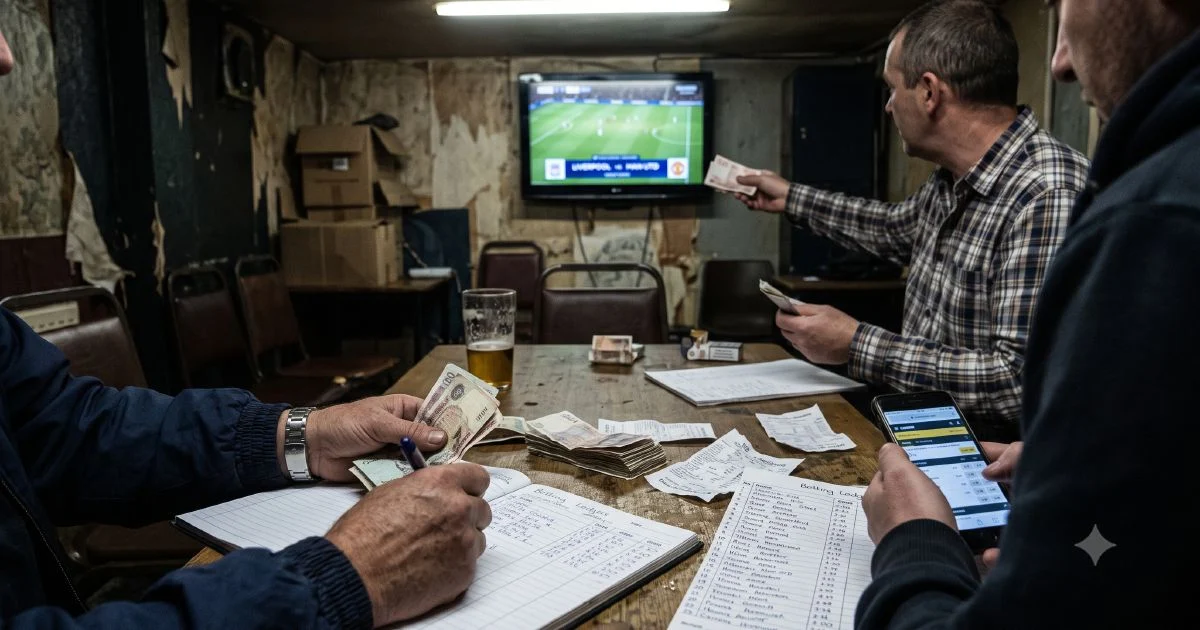
Malaysian authorities have intensified their war on unlicensed gambling with a sweeping nationwide operation that has resulted in 331 arrests and the discovery of betting transactions totalling more than RM2.63 million. The enforcement drive, designated Operation Soga XI, specifically targeted underground sports betting networks and online gambling platforms capitalising on enthusiasm surrounding the FIFA World Cup 2026, demonstrating police commitment to combating the shadow gambling economy that flourishes around major sporting events.
The scale of this operation underscores the persistent challenge posed by illegal betting in Malaysia, where underground gambling operations have become increasingly sophisticated in evading detection. Despite stringent regulations and existing enforcement mechanisms, unlicensed bookmakers continue to exploit major sporting tournaments as windows of opportunity, leveraging heightened public interest to attract bettors seeking unregulated platforms. The arrest of over 300 individuals suggests that these networks operate across multiple layers, from operators and facilitators to street-level agents distributing betting information and collecting stakes.
Operation Soga XI represents a coordinated effort across law enforcement agencies to dismantle the infrastructure supporting illegal gambling ahead of the World Cup tournament. The identification and seizure of RM2.63 million in betting transactions provides tangible evidence of the financial scale involved in unlicensed operations, money that bypasses legitimate channels and regulatory oversight. These funds frequently funnel into criminal networks, funding other illicit activities and undermining economic transparency within Malaysia's financial system.
The World Cup traditionally serves as a catalyst for gambling activity worldwide, with major tournaments generating unprecedented levels of betting interest. Bookmakers and betting operators, both licensed and unlicensed, see football's premier competition as a lucrative period. For Malaysia, where Islamic principles and existing gambling laws restrict licensed betting to specific venues and operators, the World Cup period inevitably witnesses a surge in illegal gambling platforms advertising odds and accepting wagers through digital channels, making enforcement increasingly complex.
Understanding the mechanics of Operation Soga XI reveals the multi-pronged approach required to tackle organised underground betting. Law enforcement must identify financial trails, surveil known gambling hotspots, monitor digital communications, and coordinate with telecommunications companies and financial institutions. The coordination required across multiple police units and potentially other agencies reflects the distributed nature of illegal gambling networks, which operate through cellular networks, messaging applications, and cryptocurrency channels to obscure transactions and limit evidence trails.
The implications for Malaysia extend beyond the immediate enforcement figures. The prevalence of illegal betting indicates sustained consumer demand for unregulated gambling services, suggesting that current licensing frameworks may not fully satisfy market preferences. Some Malaysians appear willing to accept the legal risks associated with unlicensed betting, potentially because such platforms offer better odds, faster payouts, or lower minimum stakes than regulated alternatives. This dynamic creates ongoing enforcement challenges, as eliminating demand entirely remains implausible without addressing underlying motivations.
The timing of Operation Soga XI ahead of FIFA World Cup 2026 preparations also reflects strategic planning by Malaysian authorities. By staging a high-profile crackdown now, police send deterrent signals to potential gamblers and operators contemplating illegal activities during the tournament period. The publicity surrounding 331 arrests and RM2.63 million in seized transactions serves both informational and preventive purposes, alerting the public to enforcement intensity while warning would-be operators of serious consequences.
Regionally, Malaysia's approach aligns with broader Southeast Asian efforts to combat unlicensed gambling. Neighbouring countries including Thailand, Singapore, and Indonesia confront similar pressures from underground betting operations exploiting international sporting events. Information sharing and coordination on transnational gambling networks has become increasingly important, particularly as digital platforms enable operators to serve multiple jurisdictions from single bases, complicating enforcement efforts and jurisdictional responsibilities.
Legal consequences facing the 331 arrested individuals remain unspecified in current reports, though Malaysian gambling laws impose penalties ranging from fines to imprisonment for unlicensed betting participation and operation. First-time offenders typically face substantial monetary penalties, while repeat offenders or those in leadership roles within gambling networks face more severe sanctions. The deterrent effect of such penalties depends partly on enforcement consistency and public awareness of actual consequences, factors that remain variable across Malaysia's diverse population.
The discovery of RM2.63 million in betting transactions raises questions about the total scale of underground gambling within Malaysia during major sporting events. If Operation Soga XI represents a significant but incomplete enforcement effort, the actual figure could be substantially higher, suggesting that illegal gambling constitutes a parallel economy operating beneath official statistics. This shadow sector generates no tax revenue, attracts criminal elements, and creates social problems ranging from household financial stress to organised crime links.
Looking forward, the success of Operation Soga XI may influence police strategies for the World Cup 2026 period itself, when betting pressure intensifies significantly beyond current levels. Authorities will likely need to sustain enhanced enforcement, coordinate with international partners, and potentially adjust regulatory frameworks to remain effective. Additionally, engaging licensed operators and financial institutions in detection and reporting systems could amplify enforcement capabilities without expanding police resources proportionally.
The operation ultimately reflects ongoing tension between Malaysia's conservative gambling regulatory framework and market demand for betting services during major sporting events. While Operation Soga XI demonstrates enforcement capacity and resolve, the persistence of underground betting networks suggests that prohibition alone may prove insufficient without complementary approaches addressing demand, financial system vulnerabilities, and cross-border coordination.

