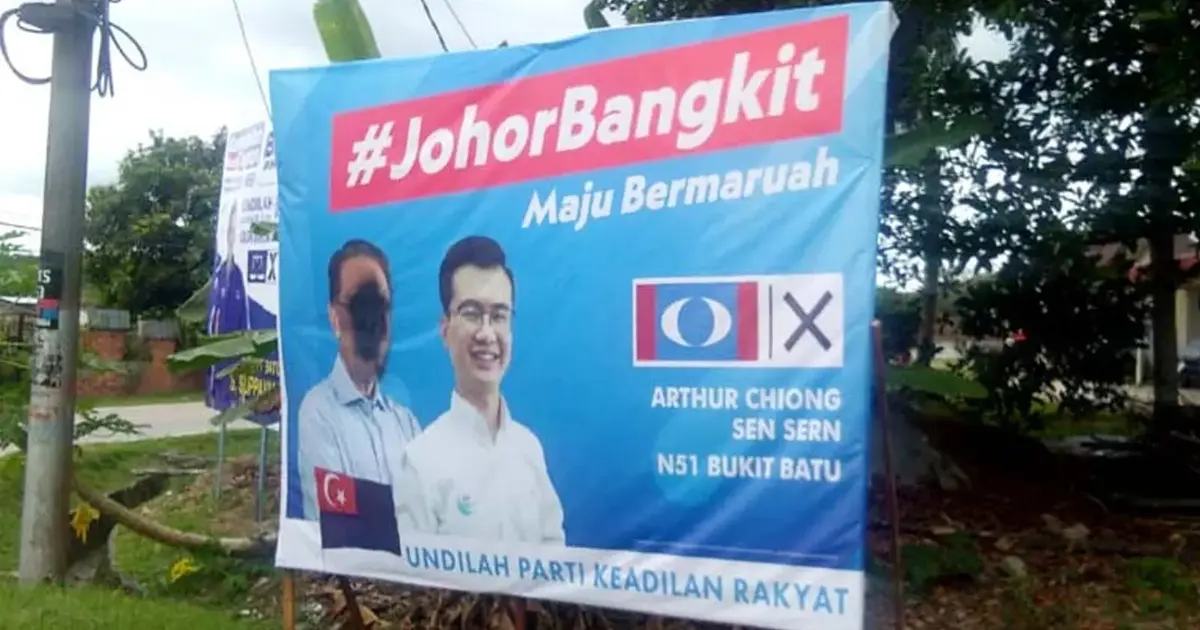
The Royal Malaysian Police received a total of 90 reports lodged throughout the campaign period, with 25 of these cases progressing to the investigation stage, according to Inspector-General of Police Khalid Ismail. The police chief has sought to reassure the public that the volume of complaints reflects the anticipated friction during electoral activity, whilst emphasising that the vast majority of reported incidents remain peripheral to the core concerns of political parties and their candidates.
Khalid Ismail's characterisation of the cases as primarily involving minor infractions provides important context for understanding the overall security environment during Malaysia's electoral cycle. His statement that the reports largely centred on matters such as vandalism suggests that the complaints did not extend to more serious allegations of political intimidation, electoral fraud, or violence. This distinction carries weight in assessing whether the campaign period proceeded without substantial disruption to the democratic process or threats to public order.
The differentiation Khalid Ismail made between incidents touching directly on political activity and those occurring incidentally during the campaign period reflects a nuanced view of what constitutes election-related misconduct. By emphasising that the cases did not involve political parties or candidates as primary subjects, he appears to be signalling that no widespread coordinated breaches of electoral regulations were detected. This interpretation gains relevance given the heightened scrutiny placed on election management across Southeast Asia and international observations regarding democratic standards.
The magnitude of 90 reports across what would typically span several weeks of intensive campaigning may be viewed through different analytical lenses. For comparative context, democratic nations typically experience spikes in police reports during election periods as public attention intensifies and citizens become more vigilant about perceived breaches of electoral rules or public conduct standards. The number itself, without historical baseline data from previous elections, requires careful interpretation to determine whether it represents normalcy or deviation.
Malaysian political observers have long noted the relationship between campaign intensity and public order management. The prevalence of vandalism among reported incidents aligns with patterns observed in previous electoral cycles, where campaign materials and opposition signage frequently become targets of removal or defacement. Such incidents, whilst technically breaching local regulations, typically reflect the competitive dynamics inherent in democratic contests rather than systemic threats to electoral integrity.
The fact that only 25 of the 90 reports warranted opening investigation papers suggests police screening processes identified a substantial proportion of complaints as either lacking sufficient evidence, being resolved at reporting stage, or falling outside criminal jurisdiction. This filtering mechanism is commonplace in police operations and demonstrates the institutional role of law enforcement in distinguishing between substantive criminal matters and incidents better addressed through administrative channels or community resolution.
For Malaysian readers and voters, Khalid Ismail's statement carries implications regarding confidence in electoral administration. The transparency demonstrated through public disclosure of report figures and investigation statistics reflects a commitment to accountability, which constitutes an essential element of democratic governance. However, the absence of detailed breakdowns by constituency, complaint category, or political affiliation leaves scope for further public inquiry and parliamentary scrutiny.
The nature of vandalism-related complaints particularly warrants examination within Malaysia's context. The country's electoral code and various state regulations impose restrictions on campaign material placement and duration, creating inevitable friction points during campaigns. Competing interpretations between political actors and enforcement authorities regarding permissible display periods and locations frequently result in reports, with vandalism classifications sometimes masking what parties characterise as premature removal of legitimate campaign materials by rivals or authorities.
Regional democratic trends suggest that maintaining public confidence in electoral processes requires not merely managing incidents during campaigns but also demonstrating transparent, impartial investigation of complaints. Southeast Asian nations increasingly face scrutiny regarding election management quality, and Malaysia's approach to documenting and investigating campaign-period incidents contributes to broader assessments of institutional credibility. Khalid Ismail's willingness to publicly disclose figures, even whilst characterising most incidents as minor, suggests confidence in the overall conduct of the campaign period.
The 25 investigation cases merit closer examination regarding their current status, timeframes for completion, and anticipated outcomes. Public interest in these matters extends beyond the immediate campaign period, particularly if cases involve questions about regulatory compliance or procedural fairness that could influence voter perceptions of electoral administration. Stakeholders including political parties, civil society observers, and the media will likely seek additional details as investigations progress.
Moving forward, Malaysia's electoral management institutions face the ongoing challenge of balancing the legitimate interests of political competition with maintenance of public order and democratic norms. The campaign-period report figures provide one data point within the broader assessment of electoral health. Whether the 90 reports and subsequent 25 investigations ultimately demonstrate systemic strengths or highlight areas requiring procedural refinement remains a question for post-election analysis and institutional reflection within the Royal Malaysian Police and broader government agencies responsible for electoral administration.

