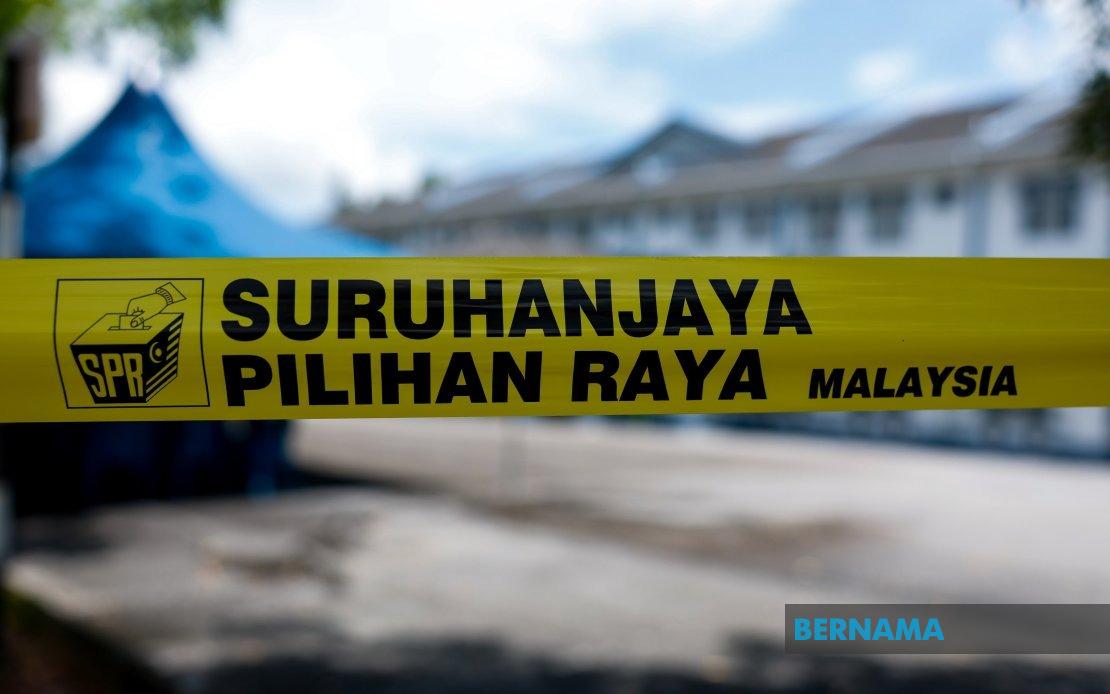
Law enforcement in Negeri Sembilan has ramped up scrutiny of electoral activities, with state police opening seven separate investigation files related to election offences as the campaign for the 16th state election enters its critical phase. Negeri Sembilan Police Chief Datuk Alzafny Ahmad disclosed the enforcement action while addressing compliance concerns that have emerged during the campaign period, signalling a coordinated police response to maintain order and ensure adherence to electoral regulations.
Two of the seven investigation files were initiated within a single day, focusing on alleged breaches under Section 427 of the Penal Code, which addresses mischief involving property destruction or damage. These cases underscore recurring concerns about campaign conduct, as physical disruption of campaign materials and infrastructure has historically posed challenges during Malaysian state elections. The police's swift action on these matters reflects heightened vigilance as campaigns intensify and rival factions increase their on-ground activities across the state.
The broader enforcement landscape reveals more extensive police engagement with election-related incidents. Between July 18 and 22, the Royal Malaysia Police contingent in Negeri Sembilan received a cumulative total of 12 separate police reports touching on various election offence categories. This volume of reports suggests that campaign-period tensions are translating into formal complaints, with members of the public or party representatives filing grievances regarding alleged electoral law violations. The distinction between investigation files and police reports indicates that authorities are conducting preliminary assessments before determining which matters warrant full criminal investigation.
Simultaneously, police have maintained oversight of lawful campaign activities through the permit system governing political ceramahs and campaign gatherings. Yesterday alone, authorities received and approved 53 permit applications for such events, bringing the cumulative total to 226 approved permits since the campaign commenced. This administrative function highlights the dual role police must perform during elections: preventing unlawful conduct whilst facilitating legitimate democratic expression. The approval rate suggests that most campaign organisers are cooperating with authorities and adhering to notification requirements.
The Election Commission has structured the Negeri Sembilan state election timeline with early voting scheduled for July 28, followed by polling day on August 1. This compressed schedule concentrates campaign activities into a narrower window, potentially intensifying competition among candidates and parties vying for voter attention. The concentration of campaign energy may explain the elevated incident reporting observed by police, as rival campaigns jostle for visibility and engagement.
Datuk Alzafny's public statement emphasises the police's commitment to ensuring that all political activities remain within legal boundaries whilst preserving public safety and order. This messaging serves multiple audiences: reassuring the general public that election-period disruptions will not be tolerated, signalling to political actors that enforcement is active and impartial, and demonstrating to the Election Commission that police are fulfilling their coordination responsibilities. The framing of police work as protective rather than restrictive is important for maintaining public confidence in law enforcement during a politically charged period.
From a broader Malaysian electoral perspective, the Negeri Sembilan campaign offers insights into how modern state-level elections operate under contemporary regulatory frameworks. The state's enforcement patterns may influence approaches elsewhere as the political calendar unfolds across the federation. The relatively manageable number of investigation files—seven cases across multiple categories—suggests that serious electoral crimes remain limited, though the volume of police reports indicates friction points in campaign conduct that warrant monitoring.
The police's stated intention to maintain enhanced preparedness, monitoring and enforcement throughout the remainder of the campaign period signals that current activity levels are unlikely to diminish. This sustained posture will likely deter some would-be offenders whilst ensuring that legitimate grievances are documented and investigated. The message that stern action will follow any breach of law is designed to establish clear deterrence, particularly for actors operating in grey areas of campaign conduct.
For the wider Malaysian electorate and political ecosystem, elections in individual states carry significance beyond their immediate electoral outcomes. The conduct and management of state campaigns establish precedents and norms that influence how subsequent elections are contested. A well-managed Negeri Sembilan election—one marked by lawful competition, swift enforcement against violations, and public confidence in the process—strengthens democratic institutions across the country. Conversely, perception of partial enforcement or inadequate oversight can erode faith in electoral integrity.
The police's appeal to the public to comply with law, respect democratic processes and cooperate with authorities frames election participation as a shared civic responsibility extending beyond voting itself. This messaging recognises that election quality depends not only on regulatory compliance but also on voluntary adherence to norms by political contestants and the broader community. Public cooperation in reporting violations, respecting campaign boundaries, and refraining from disruption collectively contribute to the peaceful, harmonious and orderly conduct that authorities are seeking to achieve.

