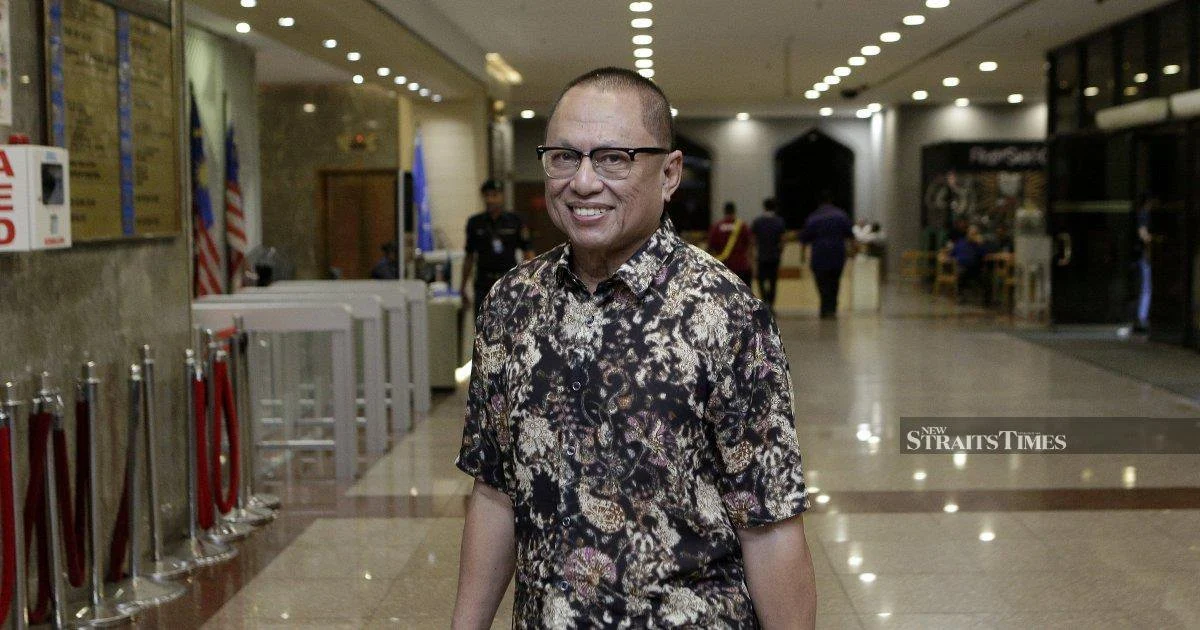
Law enforcement authorities have moved swiftly to open a formal investigation into remarks allegedly posted on social media by Datuk Dr Mohd Puad Zarkashi, a veteran within Umno's ranks, following an unprecedented surge in public complaints. The decision to launch a nationwide probe came after citizens lodged 153 police reports in a single day, signalling widespread public concern over the nature of his purported online statements.
The filing of more than 150 reports across Malaysia within a 24-hour period underscores the level of public sentiment surrounding the controversy. Such coordinated reporting activity often reflects organised mobilisation, whether grassroots or otherwise, and indicates that Puad Zarkashi's remarks touched upon matters of significant sensitivity to diverse segments of Malaysian society. The sheer volume of complaints suggests the alleged statements may have attracted attention beyond traditional political circles, potentially resonating with civil society groups and members of the public concerned about specific issues the comments addressed.
The decision by police to activate an investigation represents a formal recognition that the allegations warrant official scrutiny under relevant legislation. Malaysian authorities typically respond to high-volume complaints by initiating preliminary inquiries to determine whether statements breach laws governing defamation, sedition, hate speech, or other offences. The nature of Puad Zarkashi's alleged comments will determine which specific legal provisions investigators examine, though the widespread reporting suggests multiple legal angles may be under consideration.
As a long-standing figure within Umno's political machinery, Puad Zarkashi carries considerable standing within Malaysia's largest Malay-Muslim political party. His statements, whether intended as personal views or representative of broader party sentiment, carry weight given his position and historical prominence within the party structure. This context makes any controversial remarks he makes subject to heightened public scrutiny, as observers assess whether such comments reflect official party positions or represent individual expressions that party leadership should address.
The incident highlights how social media has transformed the landscape of political accountability in Malaysia. Statements that might previously have remained within party corridors or reached only core supporters can now be rapidly amplified, attracting public attention and triggering organized responses. This democratisation of information dissemination has created new mechanisms through which citizens hold political figures accountable, as the rapid filing of multiple police reports demonstrates. However, it also raises questions about whether formal law enforcement responses appropriately distinguish between comments worthy of criminal investigation and those better addressed through political or public debate mechanisms.
The timing and scale of the complaint filing warrant examination within broader political dynamics. Political tensions within Umno and between the party and coalition partners have intensified in recent months, with various factions jockeying for advantage. The surge in police reports may reflect attempts by rival political camps to damage opponents through formal complaints, or alternatively, genuine grassroots reaction to statements seen as crossing established societal boundaries. Determining which interpretation applies will likely influence how the investigation proceeds and what broader political ramifications emerge.
For Malaysian politics more broadly, the incident illustrates the fragile equilibrium governing acceptable public speech by senior political figures. While Malaysia's courts and legal framework ostensibly protect freedom of expression, numerous laws restrict certain categories of speech, including statements touching on race, religion, or royalty. Senior politicians must navigate these constraints carefully, as comments that spark public outrage invite formal investigations that, regardless of legal outcome, generate reputational damage and distract from political messaging. This dynamic may incentivise greater restraint, or conversely, fuel frustration among those who view existing restrictions as excessive.
The investigation also carries implications for Umno's positioning as Malaysia transitions through a complex political realignment. The party has faced internal divisions and electoral challenges in recent years, requiring careful management of its public image and careful calibration of statements by senior figures. If Puad Zarkashi's comments prove embarrassing to party leadership, they may trigger internal disciplinary processes separate from any police investigation, further complicating his political standing. Conversely, if party leaders view the police action as politically motivated, they may rally around him, framing the investigation as persecution and uniting party ranks against external pressure.
Regional observers monitoring Malaysian politics will note how the incident reflects broader patterns across Southeast Asia where political speech increasingly intersects with law enforcement action. Countries in the region employ various legal provisions to regulate political discourse, and the Malaysian case demonstrates how such frameworks can be activated rapidly through coordinated public complaint mechanisms. The investigation's trajectory and outcomes may establish precedents influencing how Malaysian authorities respond to similar situations involving other political figures across the ideological spectrum.
As the police investigation progresses, the focus will shift to substantive questions about whether Puad Zarkashi's statements violated applicable laws, or whether they constitute protected political expression that should be debated rather than prosecuted. This distinction will prove crucial in determining whether the episode becomes a significant turning point in Malaysian political discourse or a temporary controversy that fades once authorities conclude their inquiry. The investigation's handling will also signal to other political actors the boundaries within which they can safely operate on social media without triggering formal law enforcement action.

