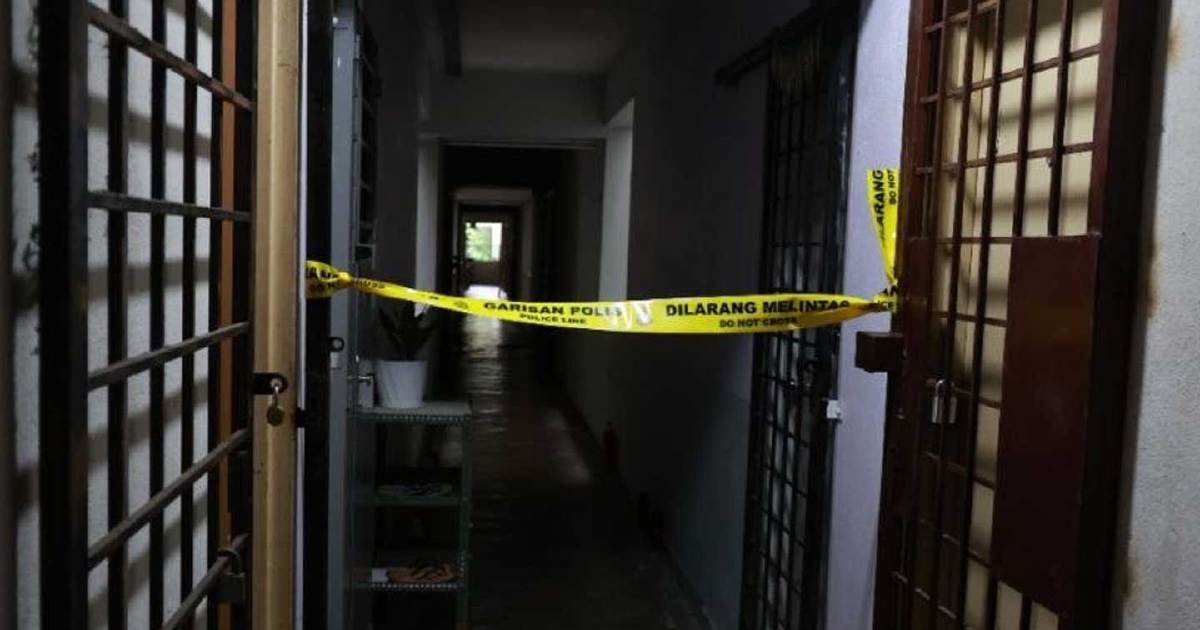
Selangor police have launched a formal murder investigation after the body of a woman was discovered concealed within a piece of luggage at a private residence in Taman Impian Indah, Kajang. The discovery, made at the residential address, has triggered a major police operation in the district as authorities work to establish the circumstances surrounding the death and identify those responsible.
The incident underscores the ongoing challenge facing Malaysian law enforcement in addressing violent crime in residential areas. The choice to conceal the body in luggage at a home address suggests the perpetrator may have been acquainted with the victim or the property itself, a factor that typically influences the trajectory of such investigations. Police procedures in such cases involve comprehensive interviews with household members, neighbours, and others who may have had access to the premises in recent weeks.
Kajang, situated in the Selangor state district of Hulu Langat, has experienced a mix of urban development and older residential neighbourhoods. Taman Impian Indah, the specific location where the body was discovered, is a residential community within this broader area. The discovery in a residential setting raises immediate questions about how such an act could occur without detection, and whether there were warning signs that neighbours or family members might have observed.
The nature of the concealment—placing the body inside luggage—suggests a deliberate attempt to hide the victim or delay discovery. This methodology provides forensic and investigative clues to experienced detectives, including information about the perpetrator's physical capability, access to the location, and their relationship with the deceased. Malaysian police homicide units typically collect evidence from the luggage itself, the surrounding environment, and interview anyone who had access to the premises.
These investigations are invariably time-sensitive. The first seventy-two hours following the discovery of a body are critical for gathering witness statements, preserving physical evidence, and establishing timelines. Evidence degradation, witness memory loss, and the potential flight of suspects all create urgency for investigators. Police will likely seek information from residents about recent unusual activity, vehicle movements, or visitors to the property that might assist in narrowing suspects.
The case also highlights the reality that serious violent crime in Malaysia often occurs within familial or social networks rather than among strangers. Statistics from police crime reports frequently show that homicide victims often know their assailants. This avenue of investigation typically receives priority as detectives construct victim profiles, trace recent relationships and conflicts, and analyse any history of domestic disturbance or personal disputes.
For the broader Kajang and Selangor community, such incidents create heightened awareness around personal safety and security awareness in residential areas. While Malaysia generally maintains relatively moderate crime rates compared to some neighbouring jurisdictions, cases involving concealment of bodies and home-based violence remind residents of the importance of vigilance, adequate home security measures, and awareness of suspicious activity in their immediate surroundings.
The investigation's progress will depend on several factors, including forensic evidence from the body and the luggage, statements from household occupants and visitors, autopsy findings that determine cause and approximate time of death, and any CCTV footage from the residence or neighbouring properties. Police will cross-reference missing persons reports and recent disappearances in the district to help identify the victim if identification is not immediately possible.
Murder investigations in Malaysia typically involve coordination between district-level police units and state-level criminal investigation specialists. Evidence collection, witness interviews, and suspect identification procedures follow established protocols designed to meet Malaysian legal standards for prosecution. The case will eventually be classified according to whether it involves premeditated murder, culpable homicide, or another category of fatal violence depending on the evidence gathered.
The discovery also raises implications for neighbourhood safety culture. Residential communities throughout the Klang Valley and surrounding areas may experience increased police patrols and community engagement activities as authorities work to reassure residents and gather information. Neighbourhood watch groups and residents' associations frequently become more active following such incidents, reflecting community determination to maintain safe living environments.

