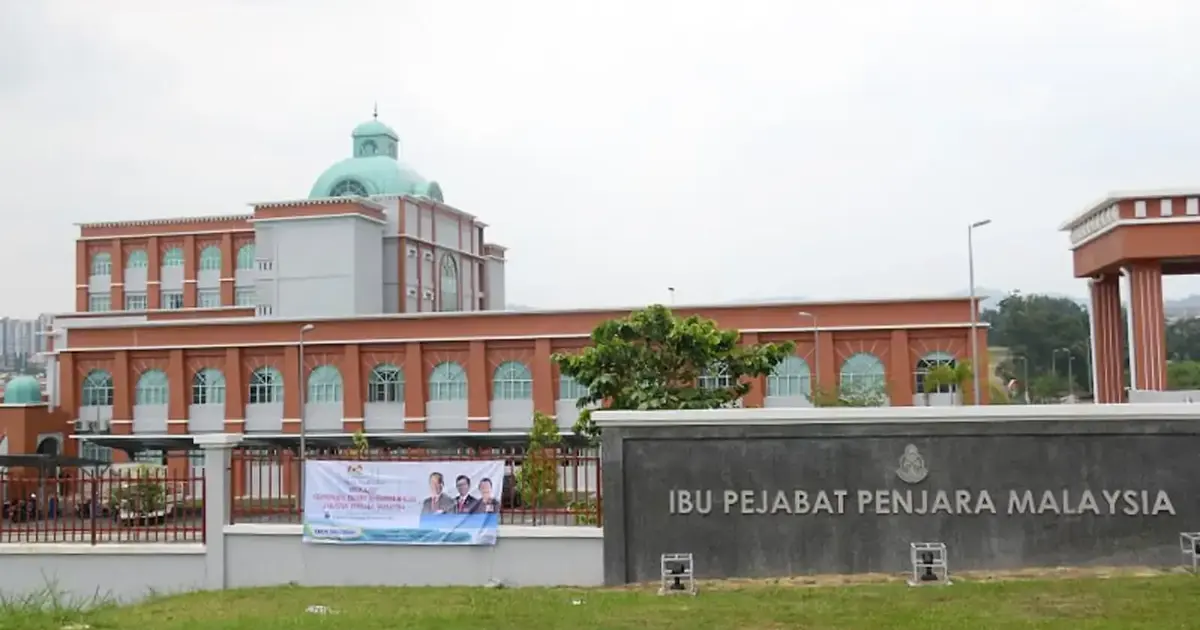
Law enforcement agencies have initiated a formal investigation into the circumstances surrounding a death that occurred while an individual remained in state custody, as well as accompanying allegations of mistreatment that have been brought to light through documentation by human rights monitor Suaram. The parallel nature of these inquiries underscores growing scrutiny of conditions and practices within Malaysia's detention system and the accountability mechanisms meant to protect those held in state facilities.
Suaram, a prominent Malaysian non-governmental organisation focused on human rights advocacy and documentation, has brought forward evidence and testimony regarding the alleged abuse. The group's involvement signals that the case has attracted international attention typical of human rights organisations that work across borders and collaborate with international accountability bodies. Such documentation often includes witness statements, medical records, and forensic evidence that can provide independent verification of claims made by detainees or their families.
The circumstances of the death itself remain subject to ongoing investigation, with authorities working to establish a complete chronology of events. Deaths in custody carry particular legal and moral weight in democratic societies, as they raise fundamental questions about state responsibility, duty of care, and whether proper safeguards were in place to prevent loss of life. Malaysian law provides for inquiries into such deaths, though families and rights groups frequently contend that investigations lack independence or transparency.
The prisons department has issued a statement emphasising its commitment to cooperating fully with investigative authorities and providing all necessary documentation and access required by police and other investigative bodies. This public declaration of cooperation is significant, as it signals institutional acceptance of external oversight and acknowledgment that the matter warrants serious attention. However, such statements often ring hollow without corresponding evidence of substantive information-sharing and practical assistance to investigators.
Official guidance has also been offered to the broader public and media, urging restraint in commentary and speculation about the case while investigations remain ongoing. This appeal reflects standard practice in criminal inquiries, where premature public judgment could prejudice evidence-gathering or complicate legal proceedings. Yet in Malaysia's context, where concerns about custodial deaths have prompted periodic reforms and international criticism, the call for public restraint also serves to manage narrative and contain potential reputational damage.
The intersection of custodial death and abuse allegations speaks to broader systemic concerns within Malaysia's criminal detention infrastructure. Suaram and similar organisations have documented patterns suggesting that certain detention facilities may operate with inadequate oversight, insufficient staff training in de-escalation and duty of care, and limited accountability when allegations of mistreatment emerge. These patterns are not unique to Malaysia but reflect challenges observed across Southeast Asia and beyond.
For Malaysian citizens and residents, the investigation carries implications for personal security and faith in state institutions. Families who have relatives in custody now have confirmation that allegations of abuse can trigger formal investigation, potentially encouraging reporting of incidents. Simultaneously, the investigation process itself may prove lengthy and opaque, leaving victims and families without timely answers or justice.
The case also intersects with ongoing debates about police reform and modernisation in Malaysia. Investigative capacity, training standards, and independence from political or institutional pressure all influence whether inquiries into state conduct achieve genuine accountability or merely create an appearance of process. International observers have noted that Malaysia's investigative and prosecutorial systems sometimes struggle with cases involving state actors, particularly security and correctional personnel.
Suaram's role as documentation organisation underscores the importance of non-governmental monitoring in countries where official transparency mechanisms may be weak or subject to institutional self-interest. The group's presence and credibility provide victims with an alternative avenue for their cases to gain visibility and potential traction within international human rights networks. This can create leverage for domestic accountability that might otherwise be absent.
Regional implications are also worth noting, as Malaysia's handling of this case will be observed by activists, policymakers, and civil society organisations across Southeast Asia. Nations grappling with similar issues of custodial conduct and accountability may reference this investigation as a precedent. The investigation's thoroughness and ultimate outcomes could influence whether Malaysia's detention system faces mounting international criticism or achieves some measure of demonstrated accountability.
Moving forward, the investigation will likely examine facility conditions, staff conduct, medical protocols, and communication with family members during the period of custody. Investigators will need to determine whether any individual actions constituted criminal conduct, whether systemic failures contributed to the death, and whether institutional policies require revision. The findings will be scrutinised by Suaram, international observers, and the broader civil society ecosystem monitoring state accountability.
The prisons department's stated cooperation will be tested through concrete actions: provision of unredacted facility records, access to staff and other detainees for questioning, and institutional flexibility as investigators follow evidence wherever it leads. Public confidence in the investigation will depend substantially on perceptions of independence and whether findings are communicated transparently. For Malaysia's detention system and its international standing, this investigation represents both a challenge and an opportunity to demonstrate that allegations of serious wrongdoing receive genuine scrutiny and accountability.

