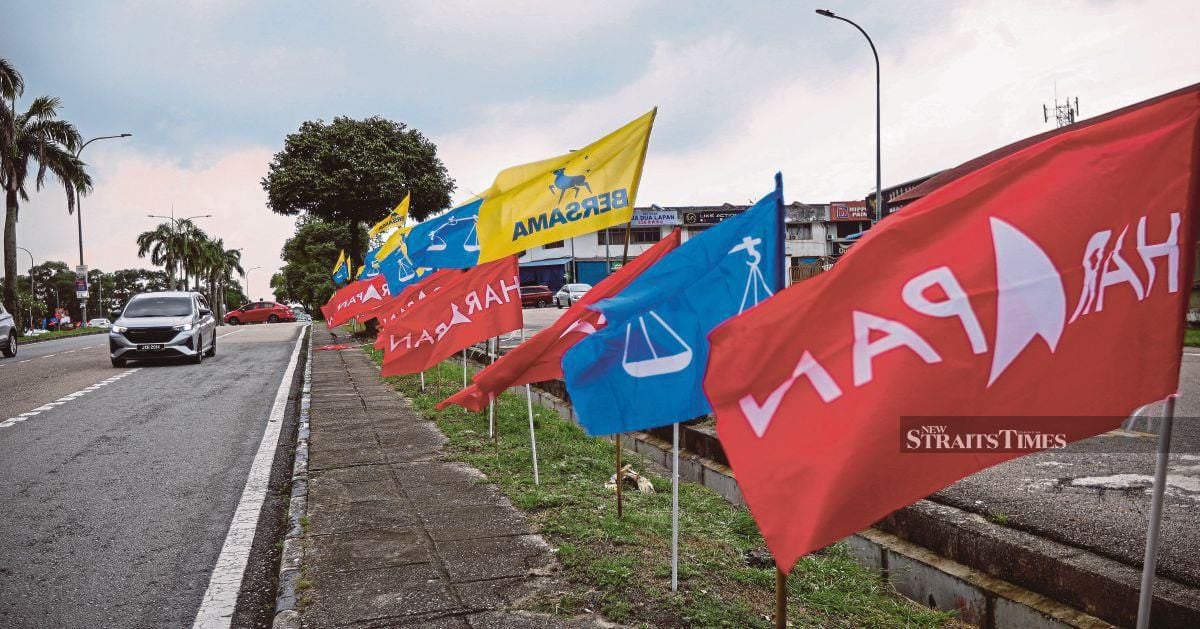
Law enforcement authorities in Johor have moved swiftly to investigate alleged breaches of electoral conduct during the 16th state election campaign, with police establishing 18 investigation papers based on 56 complaints received from the public and election observers. The reports span the entire campaign period running from July 27 through to voting day, reflecting the comprehensive monitoring that has become routine during Malaysia's state-level polls in recent years.
The volume of reports—56 in total—indicates active engagement from citizens and watchdog groups in flagging potential violations of the electoral code. Not all complaints automatically trigger formal investigations; police screening determines which cases warrant the creation of investigation papers, suggesting that the 18 active probes represent the most substantive or credible allegations. This selective approach allows enforcement resources to concentrate on cases with reasonable grounds for suspicion.
Election offences in Malaysia can encompass a wide range of violations, from improper campaign financing and undisclosed funding sources to unlawful campaign activities, distribution of materials outside permitted zones, and breaches of silence periods. The election period itself imposes strict regulations on all candidates and their supporters to ensure a level playing field and maintain public order. During campaign phases, particular sensitivity exists around messaging, public gatherings, and the use of state resources for partisan purposes.
The Johor state election represents one of Malaysia's most significant electoral contests outside federal polls, given the state's size, population, and political importance. Any perceived irregularities or rule-breaking during such prominent elections carry particular weight, as they can undermine public confidence in the democratic process and electoral integrity. The relatively swift police response demonstrates institutional commitment to maintaining standards, though questions often arise about whether enforcement is applied uniformly across all political parties and candidates.
For Malaysian voters and observers, the commencement of investigations signals that electoral authorities and police take compliance seriously. However, the outcome of these probes will ultimately determine whether the initial reports translate into actual misconduct findings or whether some allegations prove unfounded upon detailed examination. The Malaysian Electoral Commission and police typically coordinate throughout election cycles to monitor campaign conduct, with various mechanisms available to investigate complaints ranging from informal inquiries to full-scale criminal investigations.
From a regional perspective, Malaysia's approach to policing election offences reflects broader Southeast Asian trends toward more structured electoral oversight. While enforcement quality and consistency remain subjects of public and opposition scrutiny, the existence of formal mechanisms and investigation procedures provides at least a procedural framework for addressing complaints. Neighbouring countries in the region employ varying standards of electoral supervision, making Malaysia's visible police engagement relatively transparent by comparison.
The investigation papers opened by Johor police will likely take weeks or months to complete, depending on the complexity and nature of each case. Some investigations may conclude with recommendations for prosecution, while others might be closed without charges if evidence proves insufficient or allegations cannot be substantiated. The transparency with which these investigations are conducted and their eventual outcomes will significantly influence public perception of the election's legitimacy.
Candidates and political operatives in Johor will be closely monitoring the progress of these investigations, as findings could potentially affect their standing in future elections or lead to penalties ranging from fines to temporary disqualification from office. The existence of active probes also serves as a deterrent for potential violations in ongoing or upcoming electoral activities, reinforcing the message that breaches carry genuine consequences.
Beyond the immediate implications for Johor, this enforcement activity underscores the broader Malaysian conversation about electoral standards and party accountability. As the nation approaches potential federal elections and other state polls, the pattern of investigation and enforcement demonstrated in Johor may set expectations for similar vigilance elsewhere. The coming months will reveal how thoroughly these 18 investigation papers are pursued and whether outcomes are made public in sufficient detail to satisfy calls for electoral transparency.

