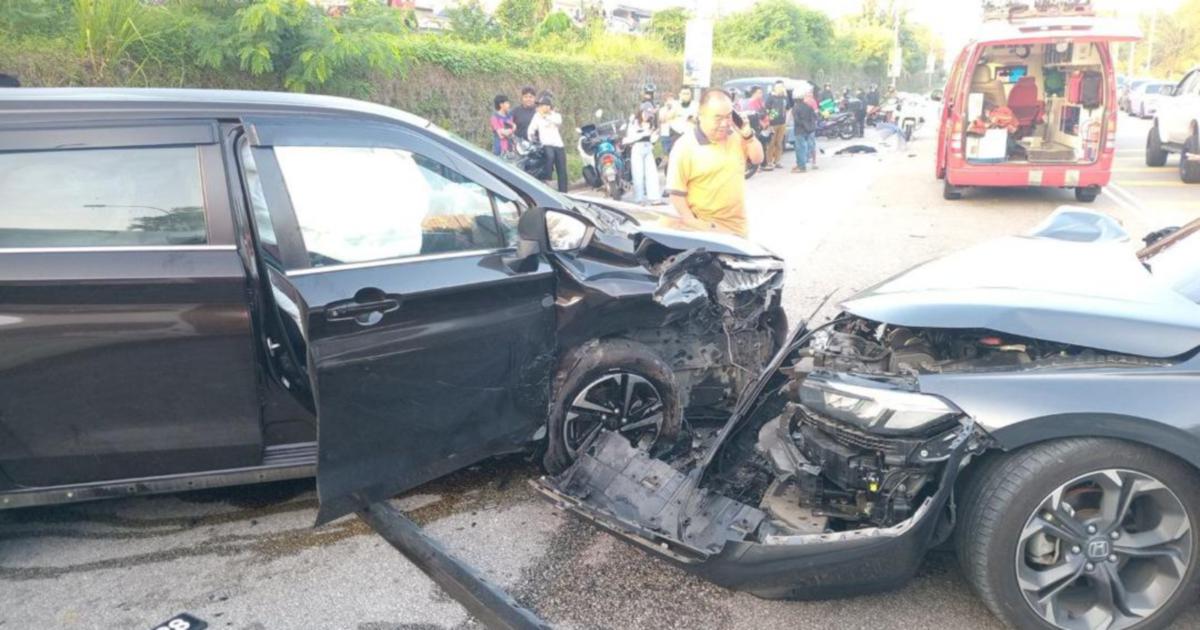
A woman working as a factory operator lost her life in a catastrophic four-vehicle collision along Jalan Permas Utama in Johor Baru early today, prompting authorities to initiate a comprehensive investigation into the circumstances surrounding the incident. The victim was violently thrown from a van during the crash before being fatally pinned beneath the vehicle as it overturned, with emergency responders discovering her in critical condition at the scene.
The fatal nature of the accident has triggered concern among transport safety advocates who continue to highlight the dangers of inadequate vehicle safety measures and driver awareness on Malaysia's busier highways and urban roads. This incident underscores how multiple factors—from vehicle maintenance standards to passenger safety protocols—converge in ways that can prove instantly catastrophic for families and communities.
Authorities have indicated that the investigation will be thorough in nature, suggesting they intend to examine multiple dimensions of what transpired during the collision. This typically includes vehicle inspection reports, traffic flow analysis at the location, and detailed interviews with surviving parties who may provide crucial testimony about the sequence of events that culminated in the tragedy.
The presence of a father and three children traveling in one of the involved vehicles adds a particularly poignant dimension to this accident, highlighting how road incidents affect entire family units and have ripple effects throughout communities. The psychological and emotional trauma experienced by witnesses—especially those related to the deceased—often extends far beyond the immediate aftermath of such disasters.
Jalan Permas Utama, the location of this tragedy, is a significant thoroughfare in the Johor Baru metropolitan area where traffic volumes can fluctuate dramatically depending on time of day and day of week. Understanding accident patterns along such routes is essential for traffic authorities seeking to implement preventative measures and enhance road safety infrastructure.
The circumstances of how the woman came to be ejected from the van raise questions about restraint compliance and vehicle condition that investigators will likely prioritize. Regardless of speed or impact severity, proper use of seatbelts and appropriate vehicle maintenance can dramatically influence survival outcomes in collision scenarios.
For Malaysian road users, incidents such as this serve as sobering reminders of mortality risk inherent to road travel, particularly in scenarios involving multiple vehicles where the potential for compounding injuries increases significantly. The unpredictability of how vehicles behave during high-speed collisions—including overturning patterns—means that even prepared occupants face substantial danger.
Police will need to obtain clear statements from all surviving parties, including the father traveling with three children, to establish what triggered the initial collision and how subsequent vehicles became involved. Such multi-vehicle incidents often result from a cascading sequence where the initial impact creates hazardous conditions for following traffic.
The investigation will necessarily involve forensic analysis of the accident scene, including skid marks, vehicle damage patterns, and final resting positions of all involved vehicles. These physical traces often provide investigators with objective data that can corroborate or contradict eyewitness accounts.
Beyond the immediate criminal investigation aspects, this tragedy will likely prompt discussions within transport safety circles about whether Jalan Permas Utama requires enhanced safety measures, improved signage, or adjusted traffic management protocols. Such systematic reviews following fatal accidents have historically contributed to meaningful improvements in Malaysia's road infrastructure.
The identity and professional role of the deceased—a factory operator—offers a reminder that workplace commuting claims lives and affects economic productivity. Her colleagues and employer will now confront the human cost of road transport, potentially influencing organizational policies regarding employee safety and travel arrangements.
As the investigation unfolds, authorities will also examine whether mechanical failure, driver error, or environmental factors contributed to the crash sequence. Comprehensive accident investigations typically require coordination between traffic police, forensic specialists, vehicle technical assessors, and medical examiners to construct a complete narrative.
This incident will inevitably become part of broader Malaysian road safety statistics and may inform policy discussions at both state and federal levels regarding commercial vehicle standards, driver licensing requirements, and infrastructure investments aimed at reducing fatal accidents on critical urban and suburban routes.

