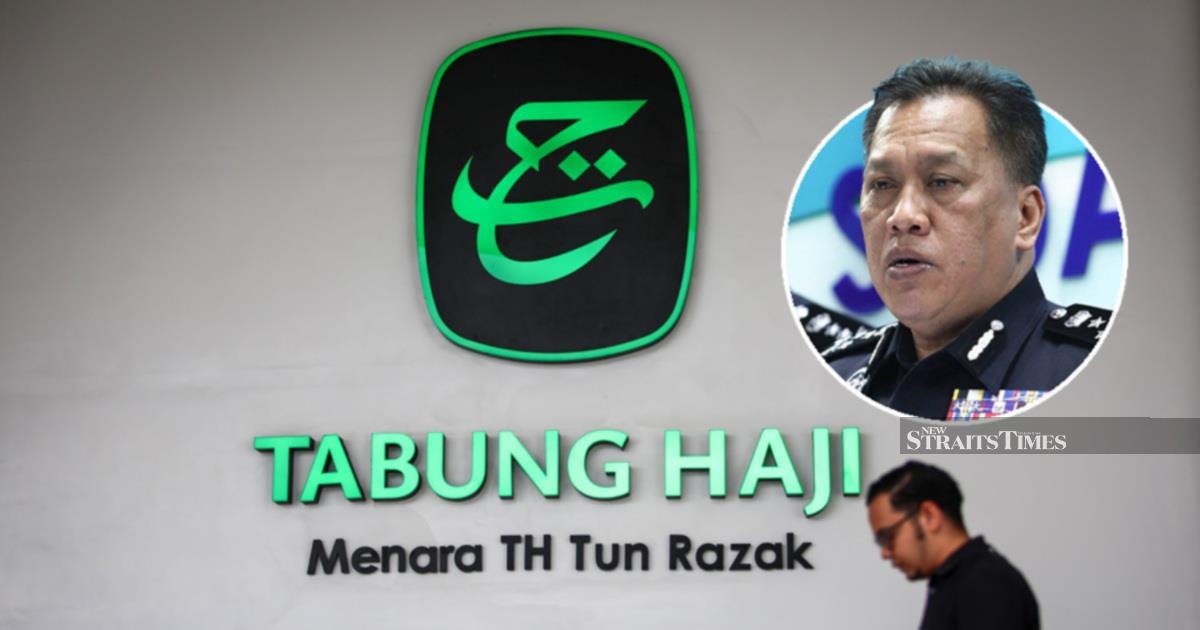
Investigations into the Lembaga Tabung Haji (TH) are gathering momentum as police have now compiled statements from 134 witnesses in connection with the Royal Commission of Inquiry's damaging findings about the pilgrimage fund manager. Among these witnesses, ten have been recently summoned to provide additional testimony, signalling an escalating probe into potential wrongdoing at one of Malaysia's most important institutional bodies.
The Tabung Haji serves as a crucial financial institution for Malaysian Muslims preparing for the Hajj pilgrimage, managing billions in savings and investments on behalf of approximately 8.8 million members. The scale of the witness interviews underscores the gravity of the RCI's conclusions and the breadth of potential issues identified across the organisation's operations. Each statement adds another layer to what appears to be a complex investigation spanning multiple departments and involving numerous individuals.
The recent addition of ten more witnesses suggests that investigators have identified new leads or determined that additional perspectives are necessary to build a comprehensive understanding of events outlined in the RCI report. This rolling approach to witness collection indicates that the police investigation is not static but continuously evolving as fresh information emerges. The decision to call these witnesses at this stage suggests specific areas of concern that require clarification or corroboration from individuals with direct knowledge.
For Malaysian citizens, particularly the millions of Tabung Haji members, these developments carry significant implications. The investigation represents an official effort to establish accountability and potentially recover losses or prevent further damage to the fund. Members have vested considerable financial resources with TH, relying on the institution's stewardship for one of life's most important religious obligations. The thorough investigation signals that authorities are taking seriously their responsibility to protect these savings.
The RCI report itself likely contained critical findings that prompted the police to undertake such extensive witness interviews. While the specific nature of each allegation remains part of the ongoing investigation, the scale of questioning suggests potential breaches in governance, mismanagement of assets, or irregularities in how the institution has deployed member funds. The police's methodical approach—building case documentation through witness statements—is a standard investigative practice designed to establish facts and establish chains of responsibility.
For the broader Malaysian context, this investigation carries implications beyond Tabung Haji itself. Trust in major government-linked institutional bodies is paramount for public confidence in Malaysia's financial and administrative systems. When such bodies face scrutiny, it affects not only their members but also the wider perception of institutional integrity. The thorough investigation being conducted by police may help restore confidence by demonstrating that breaches are investigated vigorously and impartially.
The involvement of 134 witnesses across various levels suggests that the probe is examining the full spectrum of decision-making and execution within TH. From senior management responsible for strategic investment choices to operational staff implementing those decisions, the scope of questioning appears comprehensive. This breadth indicates that authorities are not targeting individuals in isolation but rather examining systemic issues and the environment in which questionable decisions were made.
From a regional perspective, Malaysia's handling of the Tabung Haji situation is noteworthy. Other Southeast Asian countries with significant Muslim populations managing Hajj savings programs or similar religious financial institutions are observing how Malaysia addresses institutional governance failures. The transparency of the RCI process and subsequent police investigation can either strengthen or undermine regional confidence in Malaysian institutional oversight.
The ten recently called witnesses may have been identified through analysis of earlier statements or through examination of financial records and communications. This iterative approach, while lengthening the investigation timeline, typically produces more robust findings. Investigators frequently discover new lines of inquiry through initial interviews, prompting them to seek clarification or corroboration from additional sources.
The police investigation represents a critical juncture for Tabung Haji's future. Beyond establishing facts and assigning responsibility, the inquiry will likely influence how the institution reforms its governance structures, investment practices, and oversight mechanisms. For millions of Malaysian Muslim savers, the outcome of this investigation will determine whether their confidence in the institution can be restored or whether fundamental restructuring is necessary.
As the investigation continues with these additional witness statements, Malaysian authorities face pressure to deliver timely conclusions that provide clarity to stakeholders while maintaining investigative rigor. The involvement of 134 witnesses demonstrates a commitment to thorough examination, though members awaiting resolution will be hoping this thoroughness translates into swift but dependable findings.

