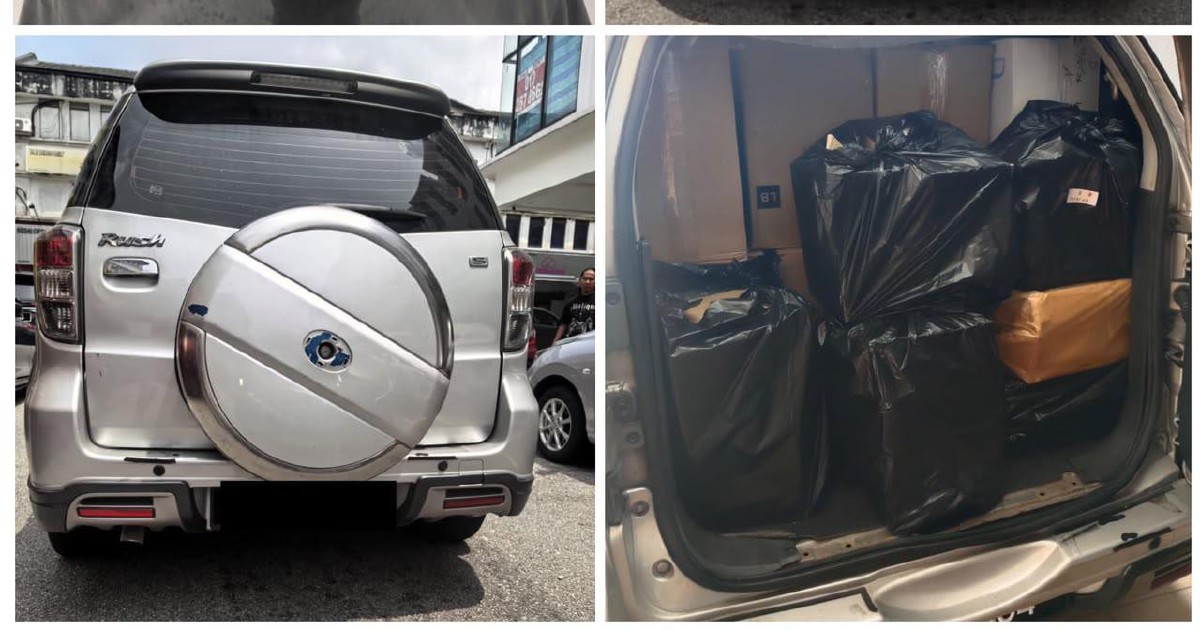
Authorities in the Klang Valley have dealt a significant blow to organised cigarette smuggling operations with the arrest of two men and the seizure of contraband cigarettes worth RM1.66 million during a targeted enforcement drive called Ops Taring Alpha 1. The operation, which took place in Kuala Lumpur, marks part of the Royal Malaysian Police's ongoing campaign against illegal tobacco trafficking networks that have plagued the country for years.
The two detainees are suspected of playing key roles in a syndicate responsible for storing illicit cigarettes and distributing them across the region. These types of operations typically involve complex supply chains where contraband goods are imported through illegal channels, stockpiled in secure locations, and then funnelled into the broader market through established networks. The scale of the seizure—exceeding RM1.66 million in value—demonstrates the substantial volume of illegal tobacco passing through such distribution channels before law enforcement intervention.
Contraband cigarette smuggling remains a persistent challenge for Malaysian authorities, undermining government revenue through lost excise duties and creating an unfair competitive landscape for legitimate retailers and tobacco manufacturers. The illicit trade exploits price differentials between Malaysia and neighbouring countries, making cross-border trafficking highly profitable for criminal syndicates despite increasing enforcement efforts. Each major seizure like this one represents thousands of duty-evaded cigarettes that would have entered the black market, depriving the government of substantial tax revenue.
Ops Taring Alpha 1 reflects the police's strategic approach to tackling organised contraband operations by targeting not just street-level dealers but the storage and distribution infrastructure that supports large-scale smuggling networks. By identifying and dismantling storage facilities and apprehending individuals involved in logistics and distribution, authorities aim to disrupt the entire supply chain rather than merely catching end retailers. This methodology has proven more effective in dealing with organised crime syndicates than reactive patrols targeting individual sellers.
The Klang Valley remains a critical focus area for anti-smuggling operations due to its status as the nation's largest economic region and major population centre, making it both a primary smuggling destination and a hub for distributing contraband goods throughout the peninsula. Its proximity to ports and transportation networks makes the region particularly vulnerable to smuggling activities. Enforcement agencies have intensified their presence in the area, recognising that controlling the supply chain at major distribution points can significantly impact the availability of illicit products in downstream markets.
Contraband tobacco operations have long been linked to broader organised crime networks, with criminal syndicates leveraging profits from cigarette smuggling to fund other illegal activities including drug trafficking and money laundering. The financial scale of tobacco smuggling—generating billions in illegal revenue annually across the region—makes it an attractive enterprise for organised crime groups. By disrupting these operations, police efforts contribute to weakening the financial foundations of larger criminal organisations.
The arrest of individuals involved in storage and distribution represents progress, though law enforcement officials acknowledge that dismantling these networks requires sustained effort across multiple agencies and jurisdictions. International cooperation with enforcement agencies in neighbouring countries remains crucial, given that most contraband cigarettes originate from overseas sources. Regional coordination has improved but continues to face challenges related to differing legal frameworks and resource constraints across Southeast Asian nations.
Consumers purchasing illicit cigarettes often remain unaware they are financing organised crime and depriving the government of revenue that could fund public services. Public education campaigns highlighting these consequences have had limited impact compared to the price advantage that contraband products offer. The price differential between legitimate and smuggled cigarettes continues to drive consumer demand for illicit products, particularly among price-sensitive consumers in lower-income segments.
The customs and excise duties avoided through contraband cigarette sales represent a significant loss to government coffers that could otherwise support healthcare, education, and infrastructure development. Malaysia's excise tax on cigarettes ranks among the highest in the region, making the country an attractive market for smuggled products sourced from lower-tax jurisdictions. This policy, while intended to reduce smoking and protect public health, inadvertently creates economic incentives for smuggling operations.
Government agencies have signalled their commitment to intensifying enforcement operations against smuggling syndicates, with police and customs coordinating regular raids and investigations. The success of Ops Taring Alpha 1 will likely inform future enforcement strategies and resource allocation in the Klang Valley. Ongoing investigations into the arrested individuals may reveal additional members of the smuggling network and lead to further arrests and asset seizures.
The seizure of RM1.66 million worth of contraband cigarettes sends a message to criminal organisations that Malaysia's enforcement apparatus remains active and capable of dismantling their operations. However, sustained success requires not only police action but also legislative measures, international cooperation, and addressing the underlying economic incentives that make cigarette smuggling an attractive criminal enterprise for organised networks operating across Southeast Asia.

