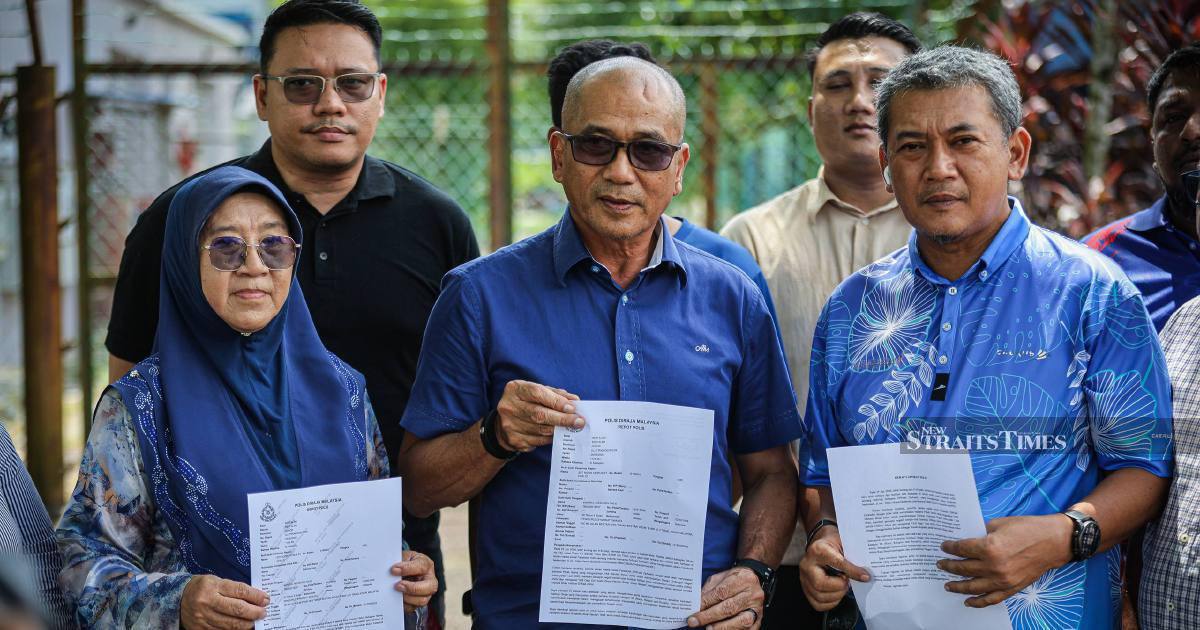
The controversy surrounding former Umno supreme council member Datuk Dr Mohd Puad Zarkashi has escalated as Johor Barisan Nasional members have taken the step of lodging police complaints against him, reportedly triggered by comments he made implicating the Johor palace and the state's Umno establishment in political interference.
This development reflects the simmering tensions within Johor's political establishment, where the intersection of royal prerogative and party politics has long remained a sensitive subject. By filing formal police reports, the BN members have signalled their intent to address what they perceive as damaging allegations through official channels rather than engaging in public rebuttal. The move suggests that Puad's remarks have struck a nerve among the state's ruling coalition, prompting them to treat the matter as one of sufficient gravity to warrant law enforcement involvement.
Johor, as Malaysia's second-largest state and a longstanding BN stronghold, occupies a unique position within the country's political landscape. The Johor palace holds considerable cultural and constitutional significance, and accusations of political meddling by royal institutions can carry substantial implications for both the monarchy's public standing and the stability of the state government. Puad's allegations thus represent more than routine political disagreement; they touch upon fundamental questions about the proper boundaries between royal authority and elected governance.
The identity and number of complainants remain unclear from available reports, though their affiliation with Johor's BN structures indicates they represent the coalition's formal interests rather than acting as isolated individuals. This coordinated approach suggests a deliberate strategy to elevate the matter beyond informal party channels and frame Puad's comments as warranting investigation by law enforcement authorities. The police reports effectively place the allegations on an official record and potentially open avenues for questioning or further inquiry.
Puad's standing as a former member of Umno's supreme council lends particular weight to his pronouncements. His previous position within the party's highest decision-making body means his observations about Umno affairs carry credibility with both party members and the broader political audience. However, this same seniority may also explain the intensity of the response; allegations from someone of his stature cannot easily be dismissed as uninformed commentary or peripheral grievance.
The nature of Puad's specific allegations—concerning what he characterized as the palace's "hand" in Johor politics—remains to be fully detailed in public discourse. Such phrasing typically suggests claims of behind-the-scenes influence or direction of state political decisions by royal actors. If substantiated or widely believed, such assertions could undermine the government's legitimacy and create public perception of democratic processes being compromised by non-elected forces. This explains why BN members would regard the allegations as sufficiently damaging to warrant formal complaint.
Historically, Johor's politics have been shaped by its distinctive constitutional settlement and the prominent role accorded to its monarchy. The state's rulers have traditionally exercised considerable influence over state affairs, extending beyond ceremonial functions. Allegations of direct involvement in partisan political decision-making thus strike at the heart of how Johor's governance has been understood and practiced. The police complaints suggest that BN members view Puad's statements as challenging this established order in ways that demand formal response.
The timing and orchestration of the complaints raise questions about the broader political context. Whether these reports represent genuine responses to Puad's allegations or form part of a calculated campaign to discredit him and silence further commentary remains to be seen. In Malaysian politics, the decision to lodge police reports frequently carries performative dimensions alongside any genuine investigative intent. The complaints serve to signal disapproval and may deter others from making similar allegations.
For Malaysian readers and observers throughout Southeast Asia, this incident illustrates the persistent tensions between royal institutions and democratic governance that characterise Malaysia's constitutional arrangements. The willingness of political actors to invoke law enforcement against internal party critics raises enduring questions about press freedom, political discourse, and the appropriate boundaries of state intervention in intra-party disputes. It also underscores how matters of palace protocol and royal prerogative remain deeply sensitive in Malaysian public life, resistant to open debate and vulnerable to rapid escalation.
The manner in which authorities respond to these police complaints will carry significance beyond Johor's borders. If investigations proceed, they may establish precedent regarding how allegations about royal political involvement are handled within Malaysia's legal and political systems. Conversely, if the matter is quietly shelved, it may signal that such complaints, while filed, do not necessarily reflect official commitment to pursuing investigations into senior political figures' statements about palace affairs. Either outcome will communicate important messages about the acceptable boundaries of political speech in Malaysia.

