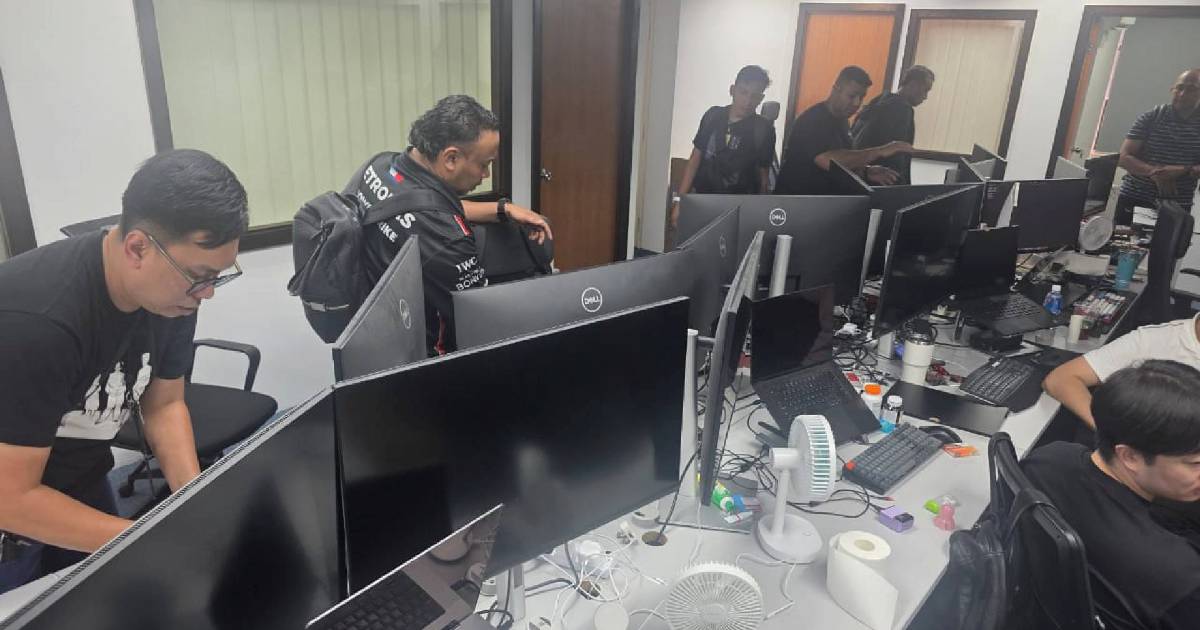
Police in Kuala Lumpur have moved against an illegal World Cup betting syndicate, detaining 11 individuals in a coordinated raid on a call centre based in an office building within the Taman Desa area of Brickfields. Among those arrested were six South Korean nationals, signalling the increasingly transnational nature of illegal gambling networks operating across Malaysia's commercial districts.
The operation, carried out at an office complex in a well-established commercial locality, had been operating as a call centre handling World Cup wagering. This method of conducting football betting through telephonic channels represents a common approach adopted by underground gambling organisations seeking to maintain distance from direct customer contact whilst processing substantial sums through voice transactions and digital payment systems.
The prominence of South Korean nationals among those detained suggests a significant organisational component imported from East Asia. Such international participation in Malaysian-based gambling enterprises typically indicates either specialist expertise in operations management or capital investment from overseas syndicates seeking to exploit Malaysia's large and relatively affluent market for illicit sports betting.
World Cup tournaments have historically attracted intensified law enforcement attention from Malaysian authorities, as the global sporting spectacle generates unprecedented demand for betting opportunities. The quadrennial event creates a concentrated window of heightened gambling activity, drawing both recreational bettors seeking casual engagement with matches and serious investors attempting to capitalise on the tournament's extended schedule and the volume of simultaneous fixtures available for wagering.
The choice of Brickfields as an operational base reflects a calculated decision to situate the enterprise within Kuala Lumpur's busy urban landscape, where commercial premises in mid-rise office buildings can maintain a facade of legitimacy. The Taman Desa district offers proximity to shopping centres and established business communities, providing the syndicate with operational cover amongst legitimate commercial activity.
Call centre operations dedicated to betting represent an evolution in underground gambling infrastructure. Rather than relying on physical betting shops or standalone premises that draw obvious regulatory scrutiny, modern syndicates leverage telecommunications infrastructure to create distributed networks where multiple operators handle client interactions across different locations, reducing the operational footprint of any single installation.
The arrest of all 11 individuals removes the immediate operational capacity of this particular syndicate, though Malaysian law enforcement authorities remain acutely aware that such networks typically operate with redundancy and distributed leadership structures. The apprehension of the management tier usually triggers the emergence of backup operations or rapid reconstitution under new operational protocols.
South Korea has in recent years become a notable source of gambling-related expertise and capital investment throughout Southeast Asia. Korean nationals possess sophisticated knowledge of sports betting markets, odds management, and customer acquisition strategies refined through operation in one of Asia's largest and most mature illegal gambling markets. Their presence in Malaysian operations typically indicates senior roles in technical operations, risk management, or syndicate leadership.
For Malaysian regulators and law enforcement, such operations present a persistent challenge rooted in the substantial disconnect between public demand for sports betting—particularly during major tournaments—and the legal framework's restrictive approach to gambling. Many Malaysian residents maintain active engagement with betting markets, yet formal legal channels remain limited, creating an expansive underground economy that international criminal networks readily exploit.
The raid aligns with wider law enforcement priorities during the World Cup period, when dedicated task forces across enforcement agencies increase surveillance and proactive operations targeting illegal betting infrastructure. Such crackdowns typically occur in waves, targeting specific establishments or networks identified through intelligence gathering or public intelligence.
Malaysian authorities have intensified scrutiny of foreign nationals involved in unlicensed gambling, recognising such individuals often occupy pivotal roles within hierarchical syndicate structures. The detention of six South Korean nationals suggests investigators may have identified a sophisticated operational framework rather than a casual assembly of independent operators.
The dismantled call centre likely processed substantial daily transaction volumes during World Cup matches, with operators fielding calls during extended evening hours across multiple time zones. The infrastructure required for such operations—dedicated telephone lines, internet connectivity, payment processing systems, and ledger management—demands significant capital investment and technical sophistication.
Moving forward, the investigation will likely examine financial transaction trails and communication records to identify customers, suppliers of payment processing services, and possibly parent organisations directing operations from external jurisdictions. Such evidence frequently reveals connections extending beyond the immediate Kuala Lumpur operation into regional or international gambling networks with operational centres across multiple Southeast Asian countries.

