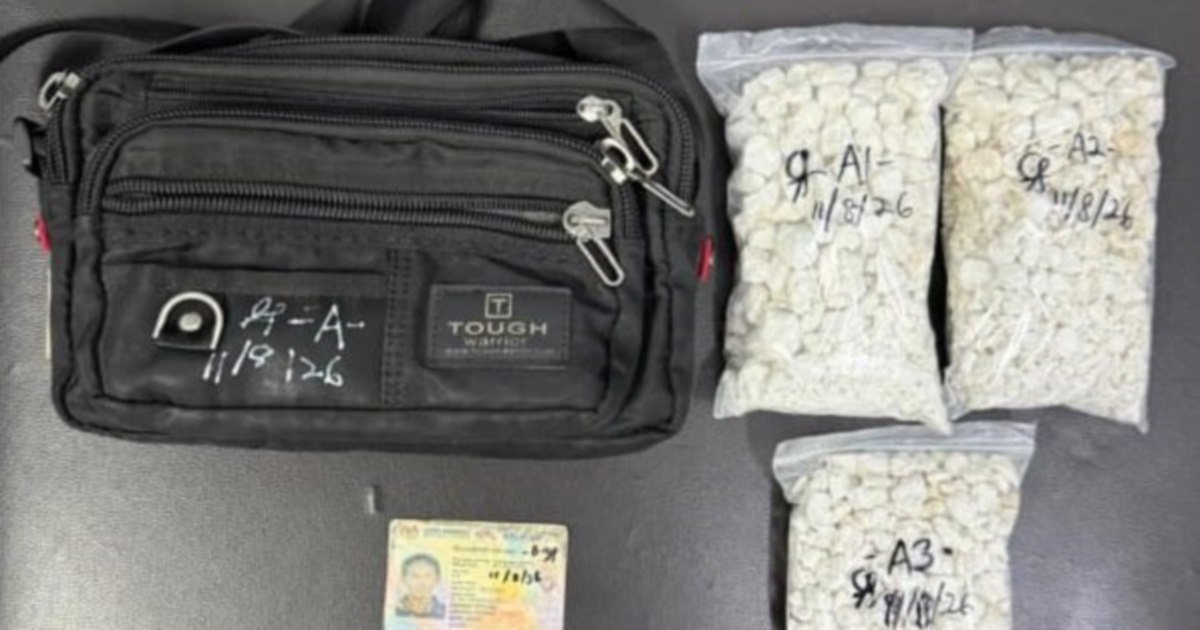
Police in Johor have dismantled another drug trafficking operation following a successful narcotics raid in Simpang Renggam, resulting in the arrest of a 42-year-old suspect and the confiscation of substantial quantities of heroin. The early morning operation, conducted in the Kluang district, demonstrated ongoing enforcement efforts against trafficking networks operating in the southern state.
The seized narcotics haul—totalling 1.055 kilograms and estimated at RM10,128—represents a significant disruption to local drug distribution channels. This quantity falls within the intermediate range of trafficking seizures in Malaysia, larger than street-level possession amounts but typically associated with mid-tier dealers or warehouse operators rather than major traffickers. The estimated street value provides insight into the economics of illicit drug markets along peninsular trade routes, where heroin remains one of the most problematic substances fuelling addiction and criminal activity.
Simpang Renggam's location in Kluang district, straddling key transport corridors between Kuala Lumpur and the southern state border, makes it a historically significant junction for narcotics transit operations. The area's geographic positioning along major highways and its proximity to established smuggling routes from Thailand and other regional sources have long made it an enforcement priority for state and federal police units. The raid reflects strategic intelligence-gathering that enabled authorities to identify and act on suspected trafficking hubs.
The detained suspect, identified as a 42-year-old resident, faces serious narcotics charges under Malaysia's Dangerous Drugs Act, which carries substantial penalties including lengthy imprisonment and potential fine escalations. The age and apparent operational profile of the accused—neither representing a first-time offender profile nor the highest-level kingpin category—suggests he may occupy a distributor or warehousing role within a broader trafficking network. Such individuals often possess critical information that enforcement agencies seek during subsequent investigations.
This seizure forms part of a broader pattern of narcotics operations detected across Johor in recent months. The state continues to experience significant drug-related challenges, with heroin, methamphetamine, and synthetic drugs remaining primary targets for police interdiction operations. Malaysian law enforcement agencies have escalated coordination between federal and state units to dismantle organised trafficking syndicates, recognising that fragmented enforcement efforts allow criminal networks to exploit jurisdictional gaps.
The timing of the operation—conducted during early morning hours when suspects are typically less alert and escape routes remain congested—reflects standard tactical doctrine for narcotics raids designed to maximise apprehension probability and minimise violence risks. Such operations typically require extensive pre-planning involving surveillance, informant intelligence, and coordination between multiple police divisions to ensure sufficient personnel and containment measures.
Beyond the immediate arrests and seizures, successful operations like this generate investigative leads that can extend into wider criminal networks. Interrogation of the suspect, analysis of communications data, and examination of transaction records often reveal distribution chains extending to retailers and other intermediaries. This intelligence-gathering function frequently proves more strategically valuable than the physical narcotics seizure itself, potentially enabling disruption of supply pipelines serving multiple states.
The RM10,128 valuation reflects typical retail pricing structures in Malaysian illicit drug markets, though actual street value upon further subdivision for consumer sales would exceed this amount significantly. The economics of heroin trafficking—with production costs in source regions representing mere fractions of wholesale prices, and wholesale prices themselves fractions of retail values—create substantial profit margins that continue attracting criminal entrepreneurs despite enforcement risks.
Johor's persistent drug trafficking challenges reflect broader regional patterns affecting Southeast Asia, where Myanmar, Thailand, and Laos remain primary heroin sources funnelling supplies through Malaysia toward Australia, Singapore, and international markets. The country's position along critical trafficking routes, combined with population density in key urban centres and relatively developed infrastructure facilitating distribution, makes it an inevitable transit point for trafficking operations targeting more distant destinations.
For Malaysian residents, particularly those in transit corridors like Simpang Renggam, such enforcement operations underscore the ongoing battles between law enforcement and organised crime. While individual seizures capture media attention, sustained progress requires community awareness, intelligence cooperation, and multi-agency coordination targeting higher-level suppliers and money laundering operations that finance trafficking networks. The arrest follows announced police commitments to intensify operations against major syndicates, though resource constraints continue limiting enforcement reach across all suspected trafficking hotspots.

