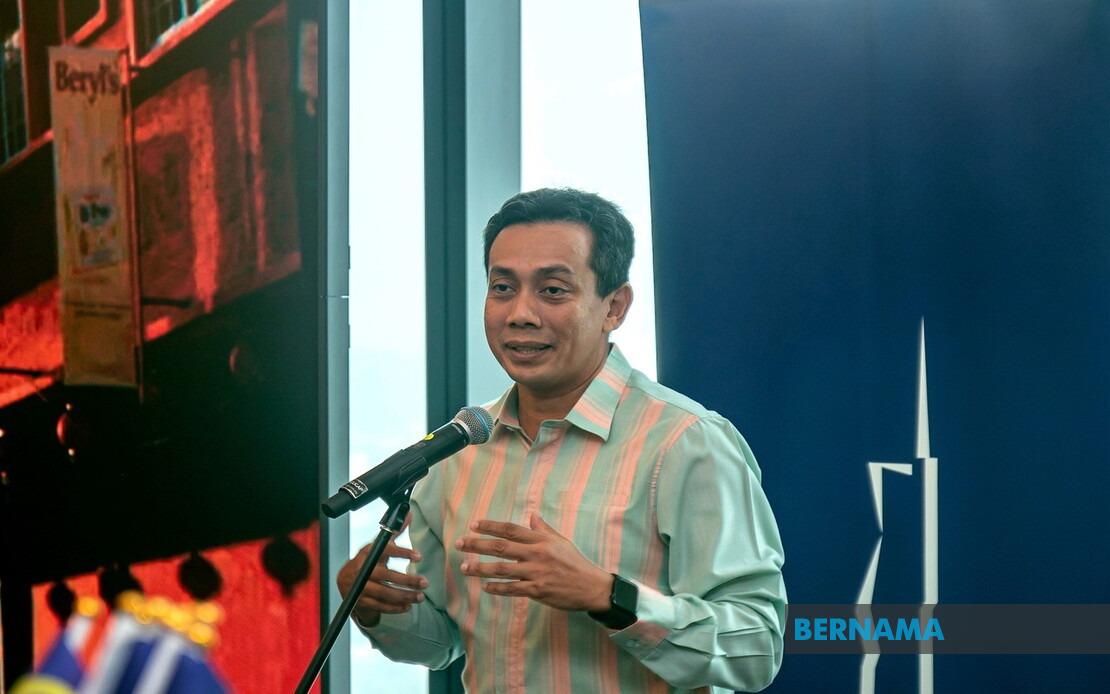
PNB Merdeka Ventures Sdn Bhd (PNBMV) has unveiled 'GAPAI', its inaugural film dedicated to rekindling appreciation for Malaysia's independence among a new generation of citizens. The organisation, which oversees the symbolically significant Merdeka 118 precinct, is positioning this cinematic project as part of a broader effort to ensure the nation's founding narrative remains culturally resonant and meaningful to young Malaysians who may feel disconnected from historical events.
Datuk Dr Izwan Ibrahim, PNBMV's chief executive officer, has positioned the initiative within a wider institutional mandate. As steward of one of Malaysia's most consequential heritage sites, the organisation shoulders responsibility not merely to document and conserve the country's historical record, but to actively foster continued emotional and intellectual engagement with that history among succeeding cohorts. This framing reflects a recognition that passive preservation—simply maintaining archives and monuments—proves insufficient in competing for the attention and imagination of digital-native audiences.
The geographical context amplifies the initiative's symbolic weight. The Merdeka 118 precinct occupies the actual location where Malaysia formally declared independence, transforming it from historical footnote into lived spatial experience. PNBMV leadership contends that positioning visitors at this exact ground zero of national sovereignty creates pedagogical opportunities unavailable in conventional museum settings. Each visit becomes, in their conception, a tactile reminder of national origins and an implicit invitation to contemplate the trajectory of national development across seven decades.
The film itself will reach public audiences through digital channels beginning August 25, disseminated via the Merdeka 118 precinct's official social media platforms. This distribution strategy deliberately targets online spaces where younger demographics concentrate, sidestepping traditional broadcast television in favour of platforms offering greater interactivity and shareability. The choice underscores recognition that contemporary cultural engagement operates fundamentally differently than during previous national anniversaries.
Extending beyond the single film release, PNBMV has orchestrated a comprehensive three-day National Month activation running from August 29 through August 31. Executed in partnership with LOCCO, the programme transforms both Merdeka Stadium and Merdeka Boulevard into experiential heritage zones. This expanded calendar moves beyond symbolic commemoration into genuine community participation, blurring boundaries between observance and engagement.
The celebratory offerings encompass multiple experiential modalities designed to appeal across demographic segments. A Merdeka Community Bazaar provides commercial and cultural exchange opportunities, embedding national reflection within accessible public gathering spaces. Integrated cultural and heritage programming offers educational content, whilst the Merdeka Flashmob injects contemporary performance aesthetics into traditional independence commemoration. The WarisanKL Explorace—likely a heritage-themed exploration activity—gamifies historical knowledge acquisition, transforming learning into active adventure.
The Merdeka Textile Museum emerges as a particularly intriguing institutional participant in these celebrations. By offering free public admission throughout the extended Merdeka weekend period and maintaining this access through September 30, PNBMV removes financial barriers to heritage exploration. Textiles themselves carry particular resonance in Malaysian national identity, representing both traditional craftsmanship and contemporary creative expression. Museum access thus invites visitors to contemplate how material culture embodies and transmits national values across generations.
This multi-pronged approach reflects sophisticated understanding that heritage engagement cannot rely solely on official narratives or institutional pronouncements. Rather, contemporary cultural institutions increasingly recognise necessity of creating layered experiences permitting visitors to construct personal meaning from historical materials. The combination of cinematic storytelling, spatial immersion, community bazaar participation, active exploration, and museum access offers multiple entry points for varying levels of historical interest and engagement capacity.
For Malaysian audiences specifically, the timing and scope carry particular resonance. Malaysia approaches its 67th independence anniversary within a complex contemporary context where national identity narrative faces pressures from rapid urbanisation, digital fragmentation, and generational value shifts. Institutional efforts to refresh independence commemoration beyond ceremonial speeches and official remembrance carry implicit acknowledgment that traditional annual rituals may no longer suffice for binding diverse, geographically dispersed populations around shared historical understanding.
The initiative also reflects broader regional trends wherein Southeast Asian nations actively curate heritage narratives, recognising that historical memory constitutes essential infrastructure for national cohesion. As competing versions of history circulate through social media and alternative channels, official heritage institutions increasingly assert active curatorial roles, employing contemporary cultural forms—film, experiential design, digital distribution—to shape how citizens encounter and internalise foundational national narratives.
For regional observers, the PNBMV approach demonstrates how physical heritage sites can function as anchors for digital-age commemoration strategies. The Merdeka 118 precinct's historical significance becomes amplified through multimedia storytelling, creating multiple pathways through which different audience segments—from social media-native youth to heritage tourism enthusiasts—might connect with independence narratives. This hybridisation of physical and digital heritage engagement likely presages evolving patterns across Southeast Asia as institutions grapple with sustaining cultural continuity amid technological transformation.

