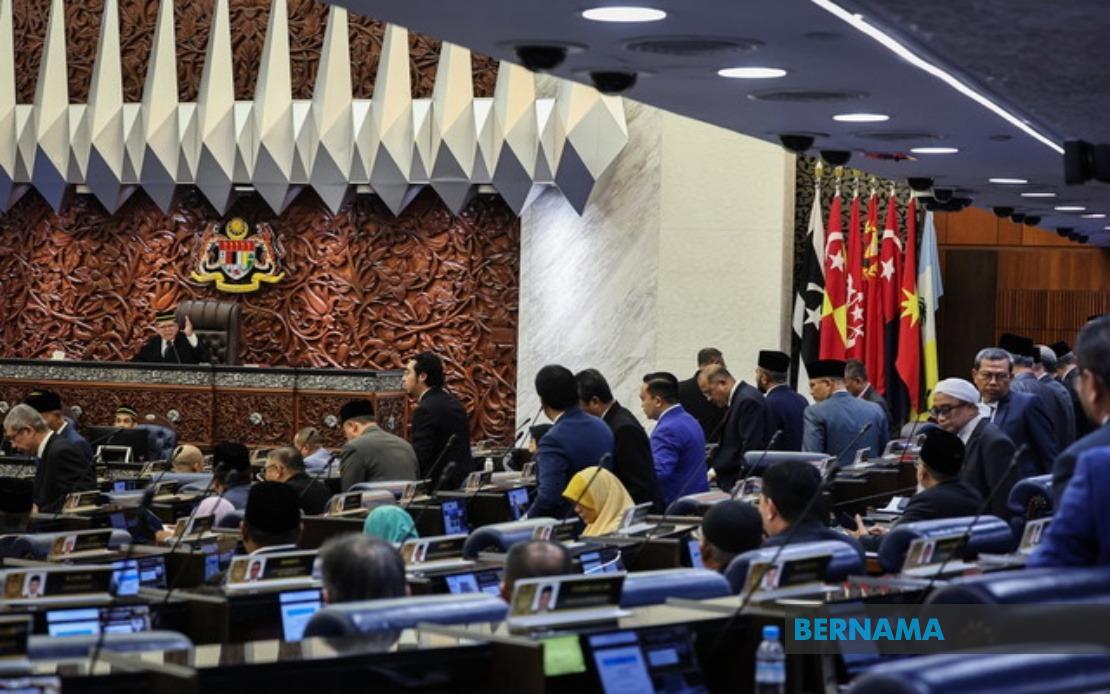
Members of parliament from Perikatan Nasional staged a coordinated exit from the Dewan Rakyat on August 11, declining to participate in a special sitting dedicated to examining the Royal Commission of Inquiry report on Lembaga Tabung Haji. The boycott was led by Opposition Leader Datuk Seri Hamzah Zainudin, alongside PN Chief Whip Datuk Seri Takiyuddin Hassan and PN chairman Datuk Seri Dr Samsuri Mokhtar, signalling a significant show of unity from the opposition bloc on the matter.
The walkout extended across multiple PN-affiliated parties and included several prominent legislators. Among the PAS MPs who departed the chamber were Datuk Rosol Wahid representing Hulu Terengganu, Mohd Syahir Che Sulaiman from Bachok, Dr Halimah Ali of Kapar, and Datuk Siti Zailah Mohd Yusoff from Rantau Panjang. Three additional members representing constituencies across the peninsula—Datuk Wan Saifulruddin Wan Jan from Tasek Gelugor, Wan Ahmad Fayhsal Wan Ahmad Kamal from Machang, and Datuk Seri Dr Ronald Kiandee from Beluran—also departed the session, leaving their seats empty during the proceedings.
The opposition's decision to absent themselves contrasted with the behaviour of two Bersatu-affiliated MPs who maintained their presence in the chamber throughout the sitting. Putrajaya MP Datuk Dr Radzi Jidin and Langkawi MP Datuk Mohd Suhaimi Abdullah remained to observe the debate, suggesting some divergence within the broader opposition coalition regarding the appropriate response to the special session.
Takiyuddin's formal proposal to adjourn the sitting centred on the unavailability of two key government figures. Prime Minister Datuk Seri Anwar Ibrahim and Deputy Prime Minister Datuk Seri Fadillah Yusof were both absent, having been attending to urgent health matters requiring medical treatment. This absence provided the immediate justification for the opposition's objection to proceeding with the debate, as senior government leadership was unable to participate in what the administration had framed as an important parliamentary exercise.
The Tabung Haji Royal Commission of Inquiry report had been released publicly on July 29 following a government decision to make its findings widely available to the Malaysian public. The document represents a comprehensive examination of the pilgrimage fund's operations and governance, covering a seven-year period that witnessed significant challenges for the institution. The inquiry scrutinised management practices and operational decisions spanning 2014 through 2020, a timeframe that encompassed multiple economic cycles and periods of considerable difficulty for the fund.
The report's conclusions identified systemic vulnerabilities in how Tabung Haji conducted its affairs, with investigators producing 25 distinct recommendations intended to address identified shortcomings and strengthen institutional resilience. By the time the report became public, Tabung Haji management had already begun implementing remedial measures, with three-quarters of the 25 proposed improvements already underway or completed as of July 30. This relatively swift implementation suggested that senior leadership at the fund had been briefed on findings and begun preparatory work prior to public disclosure.
The special parliamentary sitting had been scheduled as a mechanism to allow elected representatives full opportunity to scrutinise the commission's work, debate its implications, and hold the government accountable for its response to the inquiry's findings. Such sessions represent an important democratic function, enabling lawmakers to examine matters of public concern and signal their constituent interests through formal parliamentary discourse. The boycott therefore represented a significant rejection of this process and a challenge to the government's management of a politically sensitive issue.
The Tabung Haji matter carries considerable weight in Malaysian politics, given the fund's role in facilitating hajj pilgrimages for hundreds of thousands of Malaysian Muslims annually and its historical significance in national religious life. Any institutional challenges affecting the fund inevitably generate public concern and political attention, particularly among constituents who entrust their savings with the organisation. The RCI report's examination of governance failings thus became unavoidably a matter of political consequence, explaining the opposition's keen interest in the parliamentary proceedings.
The PN's coordinated walkout reflected broader political tensions surrounding how the Anwar Ibrahim administration addresses institutional failures and public accountability. By absenting themselves, opposition leaders sent a message that procedural legitimacy required the full participation of government's highest figures, essentially contesting the government's authority to proceed with the debate in their absence. This parliamentary tactic represents a calculated political move to disrupt the administration's control of the agenda while simultaneously highlighting the unavailability of top leadership.
From a Southeast Asian governance perspective, Malaysia's handling of the Tabung Haji inquiry reflects regional patterns in how governments navigate institutional accountability when politically sensitive organisations face scrutiny. The decision to publicise the RCI report aligns with growing expectations for transparency, yet the opposition's boycott demonstrates that disclosure alone does not guarantee consensus on how institutional failures should be addressed or remedies implemented. The incident underscores the contested nature of accountability mechanisms in parliamentary democracies where executive and legislative branches frequently operate at odds.
The implications for Malaysian investors and pilgrims remain significant, particularly given that Tabung Haji manages substantial financial resources and serves as the primary institutional pathway for Malaysian Muslims undertaking the hajj. Public confidence in the fund's governance depends partly on transparent examination of past failures and clear articulation of corrective measures. The parliamentary boycott, rather than facilitating such examination, interrupted the formal process through which public accountability typically occurs in Westminster-style systems.
Moving forward, the opposition's position that senior government presence was essential for meaningful debate suggests that further parliamentary engagement on the Tabung Haji matter will require the Prime Minister and Deputy Prime Minister's participation once their health allows. This may delay comprehensive public deliberation on the RCI findings, though it also preserves the opposition's leverage to demand substantive responses from government leadership. The unfolding narrative will likely shape public perception of how Malaysia's political institutions handle institutional accountability during times of leadership absence or incapacity.

