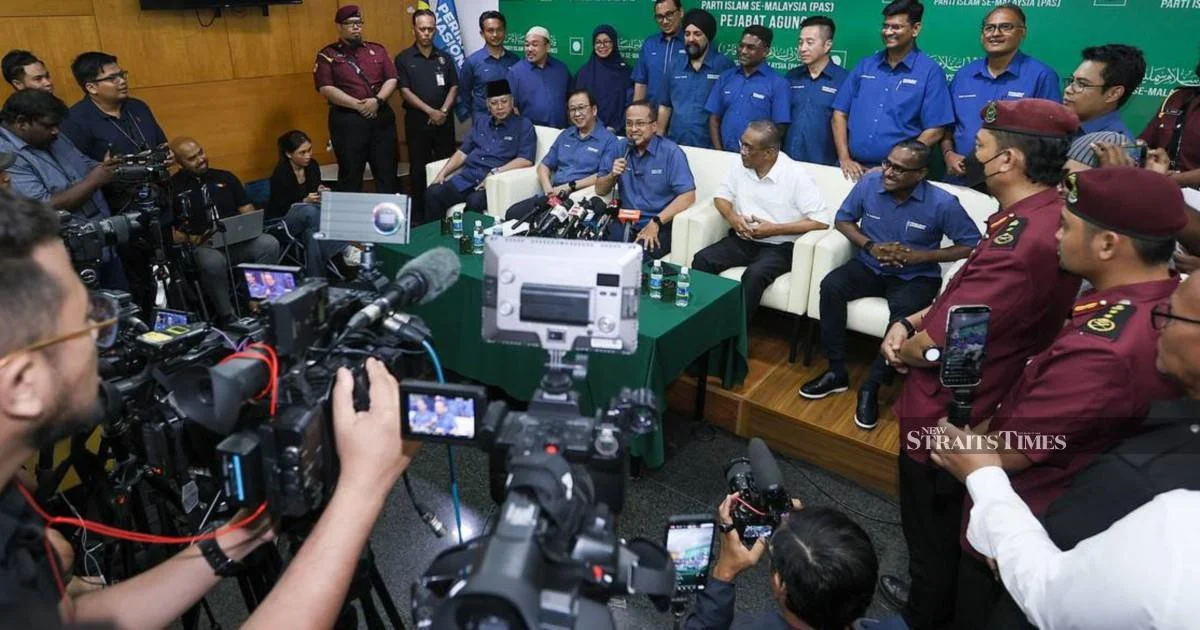
Perikatan Nasional confirmed its seat distribution arrangements for the Johor state election through a special high-level meeting, marking a critical juncture in the coalition's preparations for the upcoming polls. The decision came after weeks of internal negotiations between the bloc's component parties, each vying for optimal positioning in what observers consider one of Malaysia's most electorally competitive states.
Johor's political landscape remains pivotal to Perikatan Nasional's broader electoral ambitions. The state represents a significant battleground where traditional power equations between competing federal coalitions will be tested. For PN, securing a strong foothold in Johor is essential to demonstrating renewed relevance in peninsular politics following mixed performances in recent state-level contests elsewhere.
The seat allocation process typically involves intricate negotiations between coalition partners, balancing several competing interests. Party leaders must weigh historical performance in individual constituencies, internal party strength in various districts, and the strategic necessity of presenting a united face to voters. PN's component parties—primarily Perikatan Keadilan Rakyat (PKR) faction elements and regional partners—had to reconcile their respective demands for winnable seats against the broader imperative of coalition unity.
For Malaysian coalition politics, such allocation exercises often reveal underlying tensions within broader political arrangements. The finalisation of Johor's seat distribution signals that PN leadership has managed to broker a consensus that keeps the coalition intact, even if individual parties may harbour private disappointments about specific allocation outcomes. This achievement holds wider significance, as fractious coalitions frequently suffer from candidate disputes that undermine campaign cohesion and voter confidence.
The timing of this finalisation reflects pressure to move campaign machinery into active operation. State elections in Malaysia require months of groundwork, from candidate orientation and campaign financing to constituency-level organisation. By locking in seat allocations, PN enables its affiliated parties and candidate nominees to begin serious campaign preparations rather than remaining in prolonged uncertainty.
Johor's electoral significance extends beyond Perikatan Nasional's immediate prospects. The state's 56 state assembly seats mean that election results here meaningfully influence perceptions of which federal coalition commands wider public support. A strong PN performance could strengthen the coalition's hand in future federal negotiations, while a disappointing outcome would vindicate critics questioning PN's electoral viability beyond specific states or demographic niches.
From a Malaysian political economy perspective, Johor's diverse constituent base—encompassing urban, suburban, and rural voters across multiple ethnic communities—requires sophisticated coalition management. Different PN component parties hold varying levels of organisational penetration across these different voter segments, necessitating careful seat allocation that maximises the coalition's aggregate appeal rather than simply giving each partner its preferred constituencies.
The state's historical political character adds another dimension to PN's strategic calculations. Johor has traditionally been a Barisan Nasional stronghold, meaning PN is effectively attempting to dislodge an entrenched competitor rather than merely consolidate existing support. This demands particularly astute candidate selection and campaign messaging, making seat allocation decisions especially consequential. Poor allocation choices could squander strong national momentum by fielding sub-optimal candidates in winnable constituencies.
Regional observers will scrutinise the finalised allocation for hints about PN's broader coalition architecture. Component party representation within the seat distribution provides insight into which groups hold disproportionate influence within the coalition's leadership structures. Such patterns often persist through subsequent elections, meaning today's allocation partly determines the balance of internal coalition power for years ahead.
For Southeast Asian politics more broadly, Malaysia's coalition negotiations merit attention as case studies in managing multi-party arrangements. Unlike systems with rigid electoral mathematics, Malaysian coalition politics involves substantial subjective negotiation and interpersonal relationship dynamics. How successfully PN manages Johor's allocation process—producing an outcome that parties can credibly campaign around—reflects the coalition's maturity as a functioning political entity.
The practical implications for Johor voters will emerge over subsequent weeks as candidates confirm their nominations and campaign strategies crystallise. The seat allocation ultimately determines which individuals will represent various constituencies and what organisational resources they can access. Voters in constituencies receiving marginal allocations—fewer campaign resources, untested candidates—may face distinct electoral experiences compared to those in PN strongholds.
Moving forward, PN's campaign effectiveness will partly reflect whether this allocation proves strategically sound. Observers will assess whether the coalition maximised seat wins given its current support levels, suggesting competent leadership, or whether sub-optimal allocation squandered electoral potential. Such retrospective judgments about procedural decisions made today will shape narratives around coalition management quality heading into subsequent electoral contests, both within Johor and at the federal level.