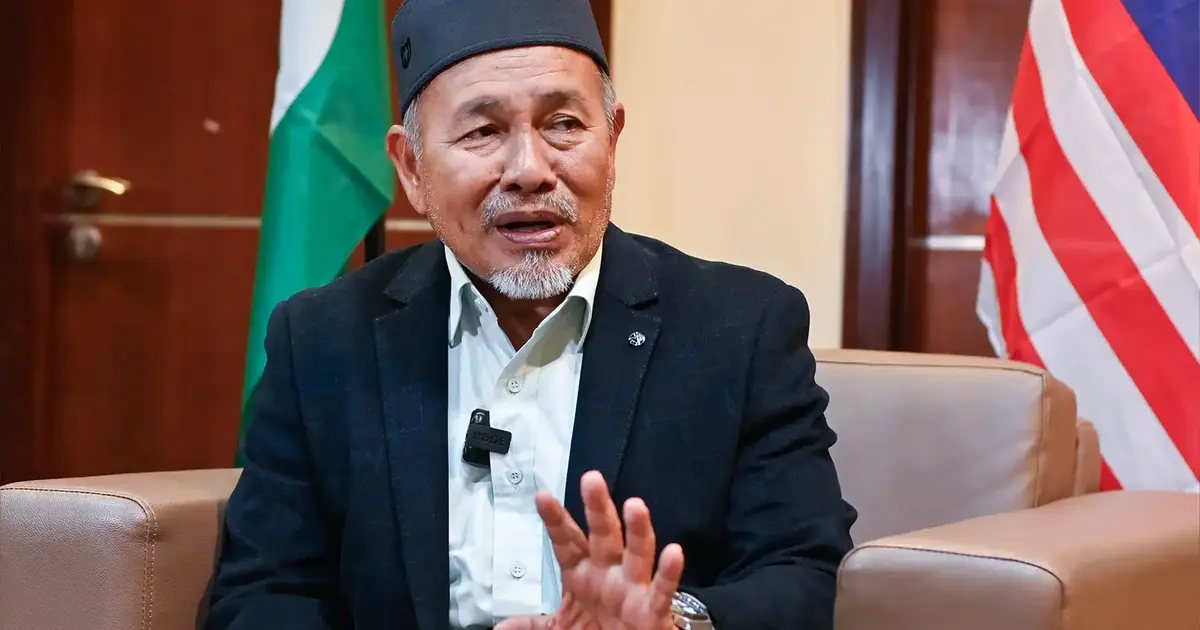
Perikatan Nasional appears unfazed by the prospect of electoral seat clashes with Barisan Nasional in the forthcoming Melaka state elections, with senior coalition leadership signalling optimism about the outcome of forthcoming negotiations. Tuan Ibrahim Tuan Man, who serves as deputy president of PAS—a key PN component—indicated confidence that any disagreements over candidate allocation between the two major political blocs would be ironed out without acrimony, even as the two coalitions have not yet formally convened to discuss parliamentary and state assembly divisions.
The statement reflects an apparent strategic calm within PN regarding a situation that could potentially destabilise the coalition arrangement. Seat allocation negotiations have historically been contentious phases in Malaysian politics, often revealing underlying tensions between parties competing for visibility and influence within electoral contests. The readiness of PN's leadership to publicly downplay concerns suggests either substantial behind-the-scenes coordination or a deliberate messaging strategy to project unity before formal discussions commence.
Melaka's position as a swing state adds particular significance to the coming negotiations. The state has been the subject of intense political contestation, with alternating control between different coalitions in recent election cycles. Any miscalculation in seat-sharing arrangements could cost either bloc crucial victories in marginal constituencies. For PN, which has established itself as a formidable electoral force in several states, demonstrating discipline in negotiations with BN matters as both coalitions contemplate their viability heading toward future federal contests.
The confidence expressed by Tuan Ibrahim also carries implications for PAS's standing within PN itself. The party has worked consistently to position itself as a reasonable negotiator capable of balancing factional interests, a posture that distinguishes it from more hardline positioning. By suggesting that disputes can be resolved amicably, PAS signals to potential partners that it operates pragmatically rather than ideologically when electoral mathematics are at stake.
BN's position in these negotiations remains less publicly articulated, though the coalition has historically dominated Melaka politics and commands substantial organisational machinery in the state. The absence of early friction signals between BN and PN suggests mutual interest in avoiding acrimonious public disputes that could undermine either group's credibility with voters. Public wrangling over seat allocation typically damages the broader coalition narrative and provides ammunition to opposition forces seeking to exploit divisions.
Regional analysts note that PN-BN coordination in state elections has become increasingly important as both coalitions jockey for leverage ahead of the next federal election. Melaka, with its significant number of state seats and parliamentary constituencies, represents a valuable testing ground for coalition mechanics at the state level. How the two blocs manage seat-sharing in this instance could establish precedents for negotiations in other states where both have presence.
The timing of Tuan Ibrahim's remarks occurs within a broader period of political recalibration in Malaysia. The stability of governing coalitions—whether at federal or state level—depends substantially on managing expectations around representation and ensuring that constituent parties feel adequately valued in electoral participation. PN's public assurance about amicable resolution reflects an understanding that perception of fair dealing matters as much as actual allocations.
For Malaysian voters observing these developments, the apparent cordiality masks genuine strategic calculations about resource distribution and electoral prospects. The lack of public acrimony should not be mistaken for absence of hard negotiation. Both coalitions will be deploying sophisticated analysis of constituency demographics, historical voting patterns, and candidate strength to optimise seat allocation for maximum overall advantage.
The Melaka electoral contest will likely feature candidates representing PN, BN, and opposition parties competing across multiple constituencies. If negotiations succeed, voters will encounter a more orderly arrangement of competing slates. If friction emerges later, it could manifest through candidate withdrawals, last-minute substitutions, or public disputes that undermine whichever coalition is perceived as the obstructionist party.
Tuan Ibrahim's remarks ultimately serve a crucial signalling function for internal audiences within both coalitions. By publicly expressing confidence in a positive outcome, he reduces pressure on negotiators who might otherwise face calls to take hardline positions. This rhetorical approach has proven effective in Malaysian politics, where publicly committed leaders often find it easier to compromise when they have already prepared stakeholders for flexibility through measured statements about upcoming discussions.
The coming weeks will reveal whether PN's optimism proves justified or whether competing electoral ambitions ultimately generate the friction that such negotiations often produce. The Melaka situation will inevitably influence how other state and federal electoral contests involving PN and BN unfold in future cycles, making these apparently technical seat discussions carry strategic weight extending well beyond this single state election.

