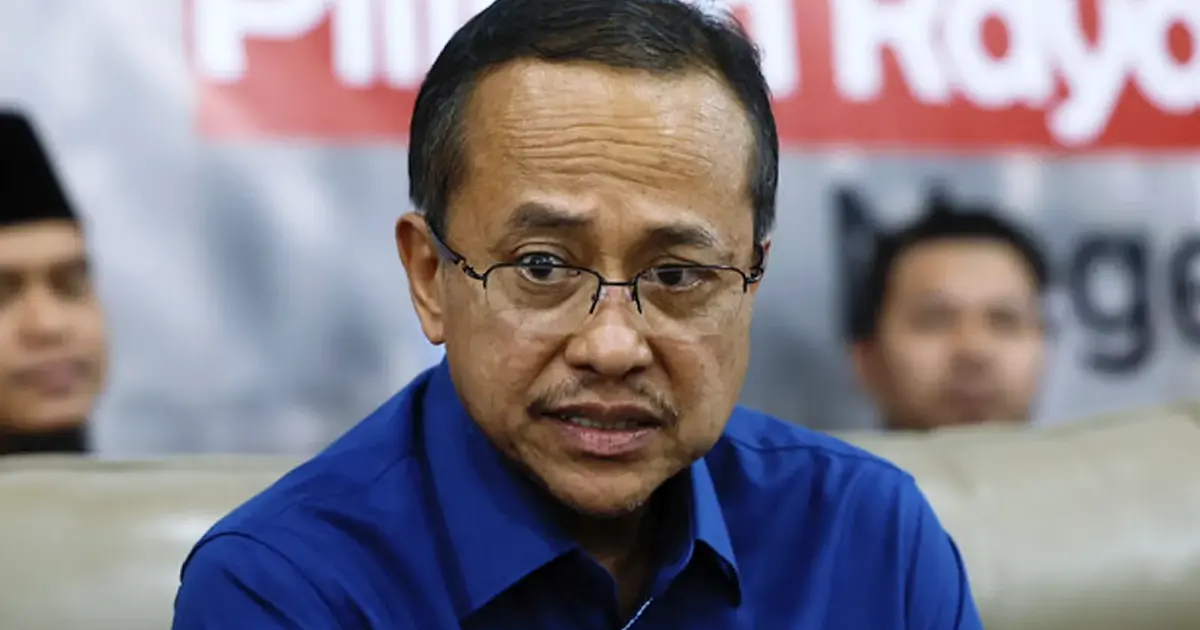
Perikatan Nasional chairman Samsuri Mohamad has rejected suggestions that the coalition faces identity or voter confusion challenges despite both PAS and Bersatu employing the shared PN logo in their electoral campaigns. The coalition leadership maintains that structural arrangements within the alliance framework ensure no operational overlap that might disadvantage either partner or perplex voters at the ballot box.
The apparent redundancy of dual-party branding under a single coalition symbol has drawn scrutiny from political observers and rival parties seeking to highlight potential weaknesses in PN's organisational unity. However, Samsuri's statement represents the coalition's official position that such concerns fundamentally misunderstand how the alliance distributes electoral responsibility and geographic representation. His dismissal of confusion worries suggests confidence in the internal agreements governing seat allocation between PN's constituent parties.
The critical mechanism that Samsuri invokes to justify this arrangement centres on the principle of distinct constituency assignments. Rather than competing against one another within the same electoral divisions, PAS and Bersatu have negotiated separate parliamentary and state assembly constituencies where each party bears sole responsibility for candidate nomination and campaign messaging. This territorial division represents a standard practice in multi-party coalitions operating across diverse political landscapes in Southeast Asia and beyond.
For Malaysian voters, the practical implication remains straightforward: their local constituency will feature either a PAS or Bersatu candidate representing the PN coalition, but not both. This structure mirrors how other successful coalitions in Malaysia have managed multiple party participation without fracturing voter clarity. The approach allows each party to maintain distinct organisational identity and local grassroots networks while projecting unified electoral strength through the shared coalition symbol.
PAS, as the larger and more established component within PN, benefits from this arrangement by securing more constituencies and maintaining its electoral machinery across diverse regions where it commands traditional support bases. Bersatu, despite its more recent political emergence and smaller parliamentary representation, gains legitimacy and broader appeal through association with PN's consolidated brand and electoral infrastructure. The complementary nature of these benefits reinforces why both parties have accepted the shared logo framework despite apparent redundancy concerns.
Bersatu's participation in PN represents a significant evolution in Malaysian coalition politics, particularly given the party's previous positions and shifting allegiances throughout recent political cycles. The fact that both parties operate under identical coalition symbolism rather than maintaining separate party logos signals a deeper integration than some other multi-party formations have achieved. This unified branding approach suggests strategic calculation that PN's electoral strength derives from projecting consolidated identity rather than emphasising individual party contributions.
Regional implications warrant consideration, as Southeast Asian observers monitor Malaysia's coalition dynamics for patterns relevant to their own fragmented political landscapes. The PN model of simultaneous logo sharing and seat division offers one approach to managing multi-party governance without the constant defections and instability that plague some competing coalitions. Whether voters perceive this as organisational sophistication or thinly-veiled desperation varies according to individual political perspectives and local campaign dynamics.
Samsuri's statement assumes that Malaysian electoral voters possess sufficient sophistication to comprehend localized seat allocation arrangements without requiring distinct party branding to navigate constituency choices. This confidence in voter discernment underpins the coalition's strategic decision-making regarding logo usage and party visibility. The assumption may underestimate confusion among portions of the electorate less engaged with detailed coalition mechanics, though campaign machinery and grassroots mobilisation typically address such information gaps.
The coordination required to prevent PAS and Bersatu from contesting overlapping constituencies demands considerable internal discipline and dispute resolution mechanisms. Any breakdown in these allocative agreements would instantly transform Samsuri's reassurance into demonstrable evidence of coalition dysfunction. The chairman's public statement therefore carries implicit confidence that such breaches remain unlikely, reflecting either solid foundational agreements or calculated risk tolerance regarding potential internal conflicts.
From a broader governance perspective, the PN coalition's structural arrangements raise questions about future administrative coherence should the alliance win electoral victories. A coalition where dual parties share identity symbolism yet maintain separate candidate bases may face challenges in coordinating parliamentary voting blocs or ministerial portfolio allocation. Samsuri's statement addresses immediate electoral concerns rather than longer-term governance mechanics that would emerge if PN translates electoral support into formation of state or federal governments.
The political opposition has seized upon logo-sharing arrangements as evidence of PN's fundamental instability and lack of principled cohesion, framing the shared branding as desperation rather than strategic partnership. Countering such narratives requires sustained messaging from Samsuri and other PN leaders explaining why unified symbolism combined with distributed seat allocation represents rational coalition architecture rather than organisational confusion. This messaging challenge extends beyond administrative clarification into territory of voter perception and political credibility.
Ultimately, Samsuri's reassurance depends on successful execution of pre-agreed seat divisions throughout PN's campaign period and election day operations. Any significant deviation from announced constituency allocations would vindicate criticism that the coalition suffers from internal coordination failures masked by confident public rhetoric. The chairman's statement therefore functions simultaneously as coalition positioning and implicit warning to PAS and Bersatu that adherence to established agreements constitutes essential foundation for PN's electoral legitimacy.

