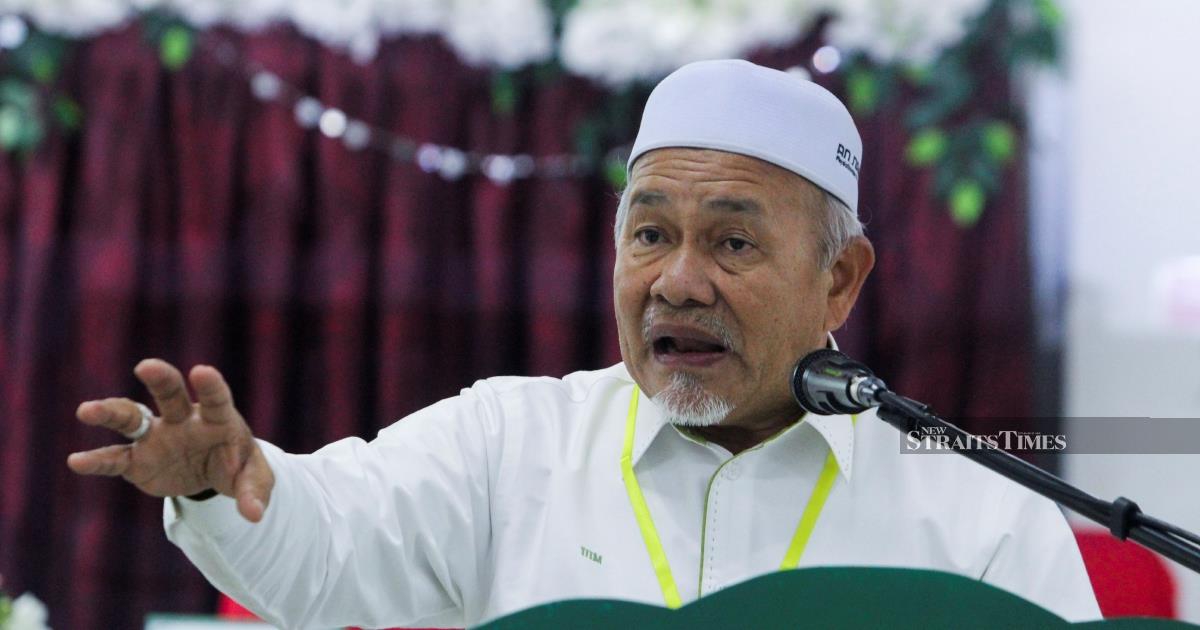
The campaign operations involving Perikatan Nasional and Barisan Nasional in Negri Sembilan are functioning without major friction, according to senior coalition leadership. Datuk Seri Tuan Ibrahim Tuan Man, who holds the position of deputy president in PAS, described the coordination efforts between the two major political groupings as proceeding smoothly during remarks made in Seremban.
This assessment from a PAS leadership figure carries particular significance given the delicate nature of multi-coalition political arrangements in Malaysia's contemporary landscape. The statement suggests that despite differing organisational structures and political philosophies, both PN and BN are managing to deploy their respective party machinery without the operational conflicts that sometimes emerge when separate political entities attempt coordinated campaigning.
Grassroots-level cooperation represents a critical indicator of coalition health, as it demonstrates whether party workers, volunteers, and local branch structures are receiving consistent messaging and operating within compatible strategic frameworks. When multiple coalitions campaign simultaneously in the same territory, overlapping responsibilities, resource allocation disputes, and competing campaign priorities can create significant friction. The reported absence of such problems in Negri Sembilan suggests effective communication channels between PN and BN leadership structures.
Negri Sembilan holds particular strategic importance within Malaysian politics as a bellwether state whose electoral outcomes often reflect broader national political sentiments. The state's position as a relatively compact electoral battleground makes it an ideal testing ground for coalition coordination mechanisms. Successful cooperation in this setting could provide a template for managing multi-coalition campaigns across other regions where PN and BN maintain similar arrangements.
The positive coordination between the two coalitions also reflects their shared interest in maximising their combined electoral strength. When separate political organisations cooperate during campaigns, they typically negotiate seat allocations, voting blocs, and campaign priority areas beforehand. The smooth machinery operations indicate that such negotiations have yielded workable agreements and that both coalitions are honouring their commitments regarding resource deployment and campaign scheduling.
PAS, as a component party within PN, occupies a particularly sensitive position in such arrangements. The party must balance its obligations to its own coalition partners while simultaneously coordinating with BN entities at the campaign ground level. The deputy president's positive assessment suggests that PAS leadership has successfully navigated these competing pressures and that internal party mechanisms are aligned with the broader coalition strategy.
For Malaysian voters in Negri Sembilan, efficient campaign coordination translates into clearer political messaging and more structured campaign activities. When coalitions operate in harmony at the grassroots, voters encounter more coherent policy presentations and organised engagement opportunities. Conversely, fractious coalition relationships often result in confusing or contradictory messaging that can undermine voter confidence in political institutions.
The reported smooth operation of campaign machinery also reflects the maturation of Malaysia's political system in managing coalition arrangements. Previous election cycles occasionally witnessed significant operational difficulties when large coalitions attempted coordinated campaigns. The apparent absence of such problems in Negri Sembilan indicates that political parties have developed more sophisticated coordination mechanisms and established clearer protocols for managing shared campaign spaces.
Regional implications extend beyond Negri Sembilan itself. Southeast Asia's broader political landscape includes several nations where multiple political coalitions operate simultaneously during electoral contests. Malaysia's experience with managing complex coalition arrangements could offer instructive lessons for democracies in the region navigating similar challenges. Successful multi-coalition coordination demonstrates a capacity for pragmatic political cooperation that transcends traditional adversarial relationships.
The statement from Datuk Seri Tuan Ibrahim Tuan Man appears designed to project confidence in both PN and BN's campaign readiness ahead of critical electoral phases. Political leaders frequently emphasise operational harmony to strengthen voter perceptions of organisational competence and to demonstrate that their respective coalitions maintain internal discipline and coherent strategic direction. Such pronouncements serve both internal morale functions and external credibility purposes.
Looking forward, the sustainability of this reported smooth cooperation may depend on various factors, including how campaign results begin to materialise and whether any unexpected political developments alter the dynamics between PN and BN. Coalition relationships in Malaysian politics remain contingent arrangements that can shift rapidly in response to electoral performance, leadership changes, or emerging policy disagreements. The current positive assessment should be understood as reflective of present circumstances rather than necessarily predictive of future developments.
The coordination achievements in Negri Sembilan underscore the complex reality of contemporary Malaysian electoral politics, where national coalitions operate across multiple overlapping frameworks while maintaining local campaign presence. Success in these arrangements requires sophisticated political management, clear communication protocols, and mutual commitment to shared electoral objectives. The deputy president's remarks confirm that these elements appear to be functioning effectively in Negri Sembilan's political landscape currently.

