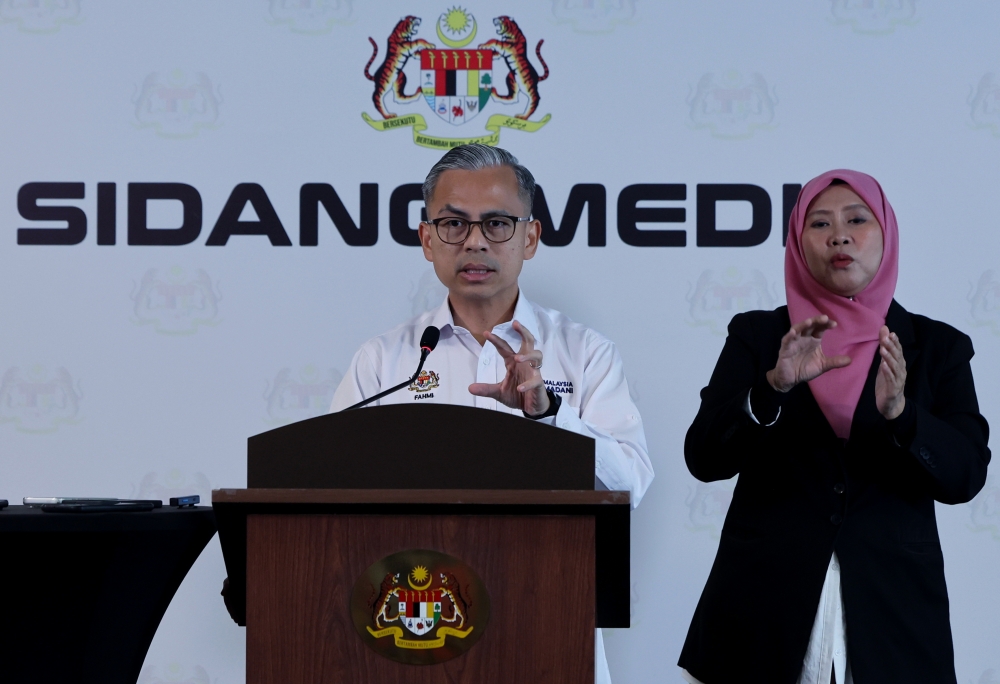
Prime Minister Datuk Seri Anwar Ibrahim has directed the Ministry of Human Resources to fast-track the processing of approximately 15,000 outstanding applications from foreign workers, according to Communications Minister Fahmi Fadzil. The directive signals the government's intent to tackle mounting labour shortages that have begun constraining productivity across multiple industries in Malaysia. By implementing expedited approval procedures, officials hope to inject fresh workforce capacity into sectors struggling with recruitment challenges and operational bottlenecks.
Fahmi, speaking from Putrajaya on August 5, disclosed that the Prime Minister has identified the clearance of these pending applications as an urgent priority requiring immediate ministerial action. The scale of the backlog—encompassing 15,000 cases—underscores the magnitude of labour supply pressures currently facing Malaysian employers. Rather than implementing blanket restrictions on foreign hiring, the government is channelling these applications through an accelerated pathway, reflecting a pragmatic recognition that certain sectors remain structurally dependent on migrant labour to maintain economic momentum.
The timing of this directive carries significance for Malaysia's post-pandemic economic recovery trajectory. The country has been grappling with labour market mismatches, where domestic workers remain unavailable for certain roles whilst businesses report unfilled vacancies. Construction, manufacturing, hospitality, and domestic care have emerged as particularly vulnerable to labour constraints. By expediting foreign worker approvals, the government aims to prevent these shortages from translating into delayed infrastructure projects, reduced industrial output, or service sector contraction that could ripple through the broader economy.
Ministry of Human Resources officials now face compressed timelines for assessing work permits, verifying employer credentials, and conducting background checks on thousands of applicants. The acceleration requires streamlined procedures without necessarily compromising security or regulatory oversight. The ministry must balance efficiency gains with maintaining standards that protect both Malaysian workers and legitimate business interests. How effectively the bureaucracy can execute this dual mandate will influence both the success of the initiative and public confidence in labour administration.
This policy direction reflects broader regional labour dynamics affecting Southeast Asia. Malaysia, Vietnam, Thailand, and other developing economies have experienced simultaneous labour shortages and emigration of workers seeking higher wages abroad. The competition for foreign labour has intensified, with countries adjusting their immigration frameworks to remain attractive destinations for temporary and contract workers. Malaysia's approach—clearing backlogs rather than expanding quotas—suggests measured expansion designed to address immediate gaps without fundamental policy overhaul.
For Malaysian employers, the directive offers relief from prolonged application waiting periods that have interrupted hiring schedules and project timelines. Industries operating on tight margins cannot afford sustained vacancies; the expedited processing promises to reduce downtime and restore operational capacity sooner than under standard procedures. However, the 15,000-application ceiling also implies that approved workers will be distributed across competing sectors, potentially leaving some employers' full requirements unmet.
The policy also touches on longer-term labour market questions confronting Malaysia. As the nation pursues higher-value manufacturing and service sector upgrades, the availability of foreign workers at lower wage tiers may ease immediate pressures but could perpetuate structural reliance on migrant labour. Simultaneously, investing in domestic workforce training and automation might address underlying supply constraints. The directive represents a tactical response to immediate shortages rather than a comprehensive strategy for building indigenous labour capacity.
Worker advocacy groups and civil society organisations will likely scrutinise whether accelerated processing maintains adequate protections for migrant workers themselves. Historical concerns about wage theft, unsafe conditions, and exploitation within Malaysia's migrant workforce underscore the importance of ensuring that speed does not displace accountability. The ministry will need to demonstrate that fast-tracked approvals include thorough vetting of employer compliance records and working conditions.
From a fiscal perspective, expediting these applications generates government revenue through processing fees and levy contributions that foreign workers must pay. The 15,000 approvals represent not merely bureaucratic clearance but meaningful revenue inflows that support ministry operations and national coffers. For workers themselves, faster approval timelines reduce costs associated with extended waiting periods and permit them to commence employment sooner.
The directive also carries political dimensions. By demonstrating responsiveness to business community concerns about labour availability, the government signals commitment to economic pragmatism and investor confidence. This contrasts with more restrictive approaches that prioritise nationalist labour preferences over growth considerations. For Anwar Ibrahim's administration, managing these tensions represents an ongoing balancing act between populist expectations and economic necessity.
Implementation timelines remain unclear, but ministry officials are likely already mobilising additional resources and reviewing procedures to accommodate the accelerated workload. Success will depend on whether existing staffing levels prove sufficient or whether recruitment of temporary additional processors becomes necessary. Bottlenecks in identity verification, medical screenings, or employer documentation could still constrain processing speed despite administrative streamlining efforts.
Looking forward, the government may need to conduct periodic reviews of whether 15,000 approvals sufficiently address sectoral labour demands or whether additional tranches require processing. Market conditions in countries supplying migrant workers to Malaysia, wage competition from other regional destinations, and evolving domestic labour supply patterns will all influence whether this expedited processing proves to be a temporary measure or the beginning of a sustained policy shift toward more flexible foreign worker admission.
The directive reflects Malaysia's recognition that economic growth depends partly on securing adequate labour inputs during a period of global supply chain restructuring and competition for human resources across Southeast Asia. How effectively the government executes this initiative while maintaining worker protections and transparent administration will significantly influence both immediate economic outcomes and the sustainability of Malaysia's labour immigration framework.

