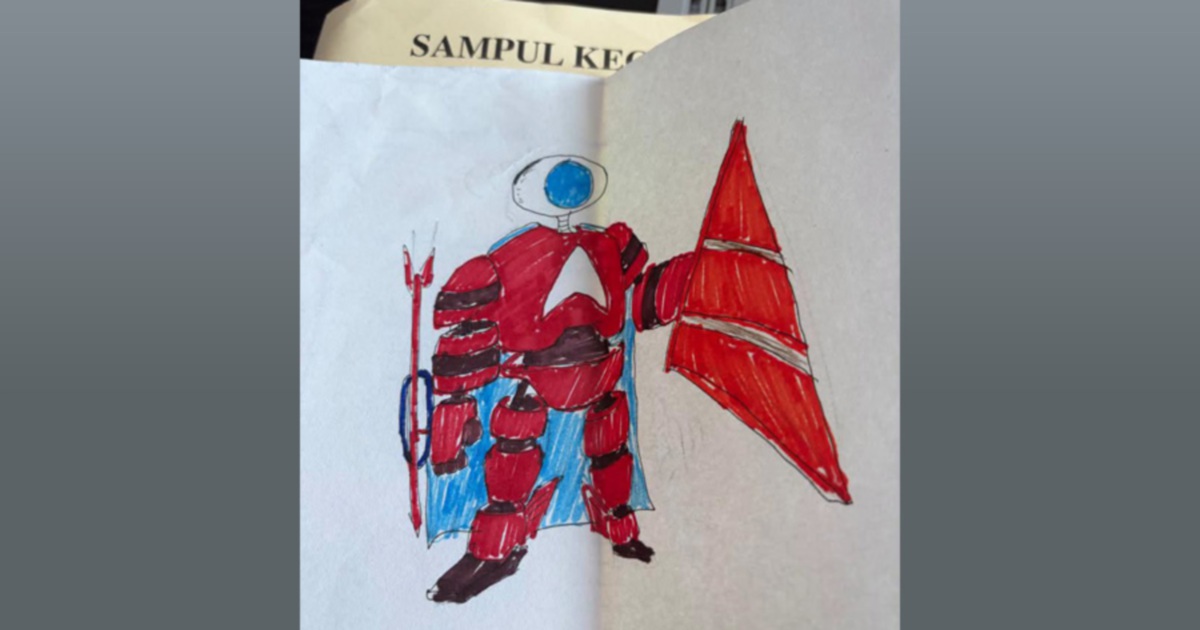
Prime Minister Datuk Seri Anwar Ibrahim has retained a handmade drawing presented by a child with special needs during a Temu Anwar community engagement session held recently in Negri Sembilan, viewing the artwork as a treasured reminder of his government's inclusive approach to public service.
The incident underscores the broader significance of the Temu Anwar programme, which has become a cornerstone of the Prime Minister's strategy to maintain direct dialogue with ordinary Malaysians across different states. These regular town halls and grassroots engagement events serve as platforms where citizens from all walks of life, including vulnerable and marginalised groups, can interact with federal leadership and raise concerns about issues affecting their communities.
The gesture from the child exemplifies how meaningful interactions at such events extend beyond conventional political messaging. Rather than being limited to formal presentations or policy discussions, these grassroots engagements create space for personal connections that demonstrate the human dimension of governance. For families with special needs children, such opportunities to feel acknowledged and valued by national leadership can carry profound emotional weight, signalling that their concerns remain within the government's sphere of attention.
The Prime Minister's decision to preserve the drawing reflects a conscious choice to maintain perspective on the human stories that intersect with political life. Public figures often receive numerous gifts and mementos, but their selective retention of certain items frequently reveals what resonates most deeply with them. In this instance, the artwork serves as a tangible symbol of the government's stated commitment to inclusive policies and social support systems that cater to children with disabilities and their families.
Malaysia's special needs community has long advocated for enhanced resources, accessibility improvements, and recognition within mainstream society. From educational provisions in schools to employment opportunities and mental health support for caregivers, families navigating special needs care face multifaceted challenges. Engagement at high levels of government creates momentum for policy discussions and resource allocation discussions, even when these occur informally through such personal interactions.
The Temu Anwar series has evolved into a significant component of the current administration's political positioning, particularly as it emphasises accessibility and responsiveness. The programme's regular scheduling across different states signals an attempt to distribute leadership presence throughout the country, moving beyond the concentration of political activity in the capital. For communities in states like Negri Sembilan, these visits represent rare opportunities for direct communication with the Prime Minister without bureaucratic intermediaries.
From a governance perspective, these informal channels of communication complement Malaysia's formal institutional structures for public feedback. While the Parliament, town councils, and various government agencies provide structured mechanisms for citizen input, grassroots programmes offer space for narratives that might not otherwise surface through conventional administrative channels. A child's drawing, while not a formal policy petition, carries narrative weight that can influence executive thinking and prioritisation.
The symbolic value of the gesture extends to how special needs families perceive their place in the national narrative. When high-ranking officials publicly acknowledge and preserve artifacts of engagement with marginalised groups, it sends a message about societal inclusion that reverberates beyond individual interactions. Such moments, amplified through media coverage, help shape public discourse around disability, inclusion, and governmental responsibility towards vulnerable populations.
Looking forward, the preservation of this drawing could catalyse substantive discussions within government structures about special needs policy. While a single artwork may seem modest, within the context of leadership priorities and media attention, it becomes a potential touchstone for departmental discussions about resource allocation, policy frameworks, and service delivery improvements for families with children requiring additional support.
The incident also highlights the value of maintaining human-centred governance practices in an increasingly digital and bureaucratic age. When political leaders create space for personal interaction and demonstrate genuine engagement with citizens' lived experiences, it can strengthen public trust and legitimacy, particularly among communities that historically feel marginalised within political processes. For the special needs community, the knowledge that their child's artwork is valued by the Prime Minister represents an affirmation that their experiences matter within the broader national conversation.
The Temu Anwar programme's apparent success in facilitating such meaningful encounters suggests that regular grassroots engagement, when conducted with genuine openness rather than as performance, can bridge the distance between citizens and national leadership. As Malaysia continues navigating complex policy challenges around social support systems, education reform, and inclusive development, maintaining these human connections alongside institutional mechanisms will prove essential for responsive governance.

