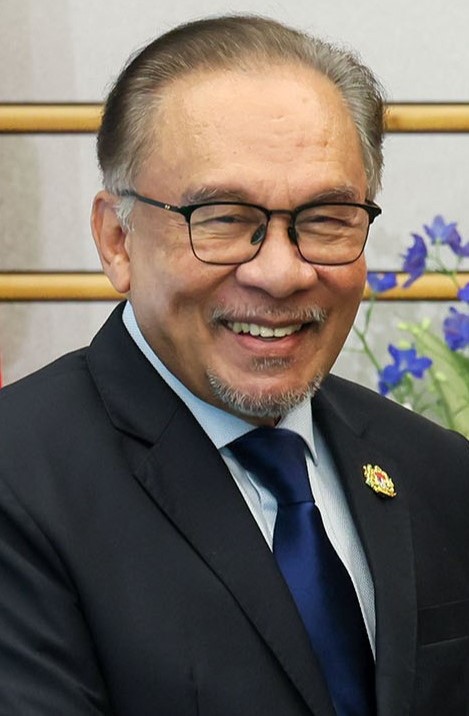
Prime Minister Datuk Seri Anwar Ibrahim is returning to Johor today for a two-part engagement in Segamat, reinforcing the government's grassroots presence just days before the state election kicks off. The visit represents the second time the premier has travelled to Malaysia's southern gateway within 72 hours, underscoring the strategic importance of the state in Pakatan Harapan's electoral calculus for the 16th Johor state assembly polls scheduled for July 11.
The Segamat district, situated roughly 200 kilometres south of Johor Bahru, will host the Prime Minister for consecutive community-focused events designed to deepen government engagement with ordinary Malaysians. This approach reflects a deliberate shift towards grassroots mobilisation rather than top-down messaging, a tactic that has become increasingly central to the administration's political strategy as it seeks to strengthen public confidence in its initiatives ahead of the election.
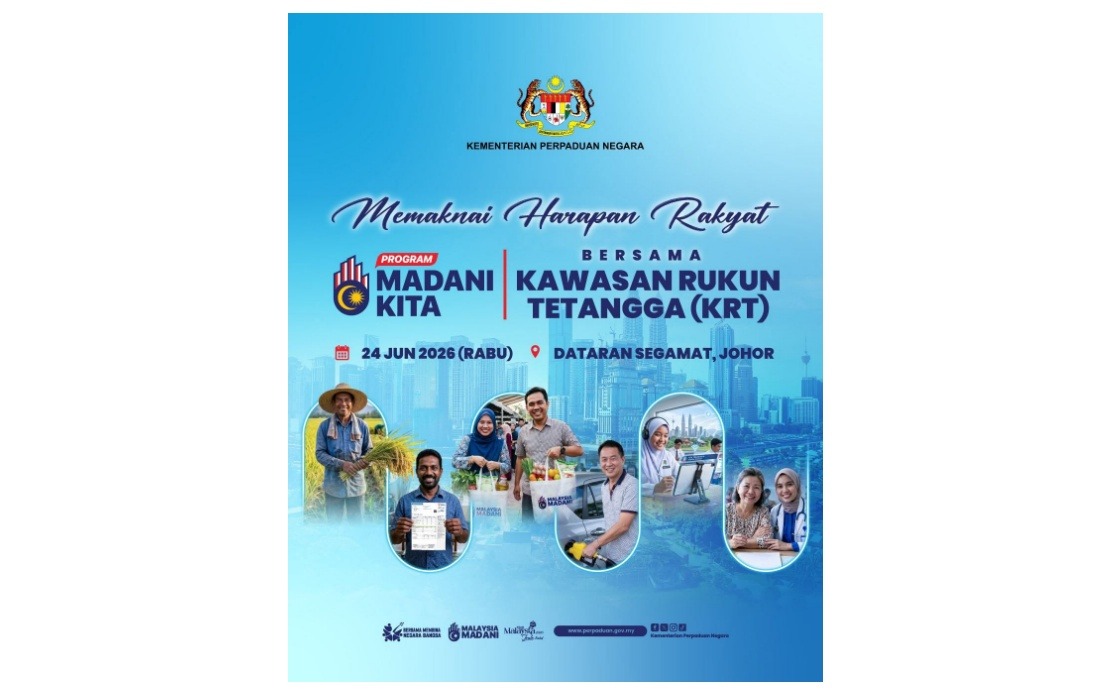
At 5 pm, Anwar will officiate the MADANI KITA programme at Dataran Segamat alongside members of the local Rukun Tetangga (KRT), the neighbourhood watch association that serves as a crucial link between government and communities. This initiative operates as a platform designed to foster inter-communal harmony and strengthen social bonds across different ethnic groups, reflecting the coalition's broader emphasis on racial and religious integration. By directly participating in KRT activities, the Prime Minister seeks to validate these grassroots structures and demonstrate the government's commitment to supporting community-level initiatives that promote social cohesion.
Following the official ceremony, Anwar will transition to a more informal setting for the "Jom! Makan Durian" programme scheduled for 6.30 pm at the Yayasan Bazaar site in Segamat. The relaxed, social atmosphere of sharing durian—the region's most iconic tropical fruit—creates an accessible environment for direct interaction between the Prime Minister and residents, moving beyond the formality of state functions. Such casual engagement serves a dual purpose: it humanises political leadership while simultaneously creating informal channels for the government to gauge public sentiment and concerns directly from constituents.
Anwar's back-to-back visits to Johor within three days follow his announcement of the full Pakatan Harapan candidate slate for the state election. Earlier this week, at an event in Bukit Gambir, Tangkak, the Prime Minister unveiled the complete list of 56 candidates across the coalition partners: 20 from PKR, 19 from Amanah, and 17 from DAP. This division of seats reflects carefully negotiated internal agreements designed to balance representation among the three parties while optimising electoral prospects in each constituency based on demographic and political calculations.
The Election Commission has established a compressed electoral calendar that will see nomination day arrive on June 27, followed by early voting on July 7 and the main polling day on July 11. This timeline provides limited window for campaigning and voter engagement, making Anwar's intensive ground presence all the more significant. The compressed schedule may favour incumbent coalitions with established machinery and direct access to state resources, though it equally pressurises candidates to rapidly build momentum in their respective constituencies.
Segamat itself carries considerable electoral weight within Johor's political landscape. As a district encompassing both urban and rural areas with a substantial population of mixed demographic composition, its results often reflect broader statewide trends. The Prime Minister's decision to hold simultaneous official and casual engagement programmes in the district signals recognition of this electoral significance while attempting to appeal across different demographic and socioeconomic segments of the local population.
The MADANI KITA programme represents a cornerstone of the government's community engagement strategy, translating the broader MADANI framework—which stands for Memperkukuh daya saing ekonomi (Strengthening economic competitiveness), Agamis (Islamic values), Demokratik (Democratic values), Aspirasi (Aspirations), and Negara (Nation)—into actionable community initiatives. By anchoring this policy framework within neighbourhood associations, the government seeks to embed its developmental philosophy at the grassroots level, where residents experience governance most directly.
For Malaysian readers, particularly those in Johor, this visit illustrates how political campaigns increasingly blend formal state functions with populist engagement tactics. The presence of the Prime Minister at informal community events carries symbolic weight, signalling that national leadership remains attentive to local concerns and willing to engage with ordinary citizens in settings removed from the theatre of formal governance. This approach contrasts with earlier patterns of electoral politics where such personal appearances by top leadership were reserved for formal rallies or official inaugurations.
The backdrop of the Johor election underscores deeper questions about electoral momentum and coalition stability. Pakatan Harapan's ability to function cohesively across multiple states—while maintaining internal balance between three distinct parties with different organisational cultures and voter bases—remains an ongoing challenge. Anwar's intensive engagement in Johor demonstrates an understanding that winning in Malaysia's most industrialised and economically significant state outside the federal territories is essential for the coalition's long-term viability and capacity to shape national policy direction.
From a Southeast Asian perspective, Malaysia's state elections continue to serve as testing grounds for democratic participation and coalition-building in a plural society. The methods employed in Segamat and across Johor—combining formal policy launches with casual community interaction—offer insights into how contemporary democracies in the region balance top-down governance with bottom-up legitimacy-building, a tension that remains critical as these nations navigate economic challenges and demographic changes.