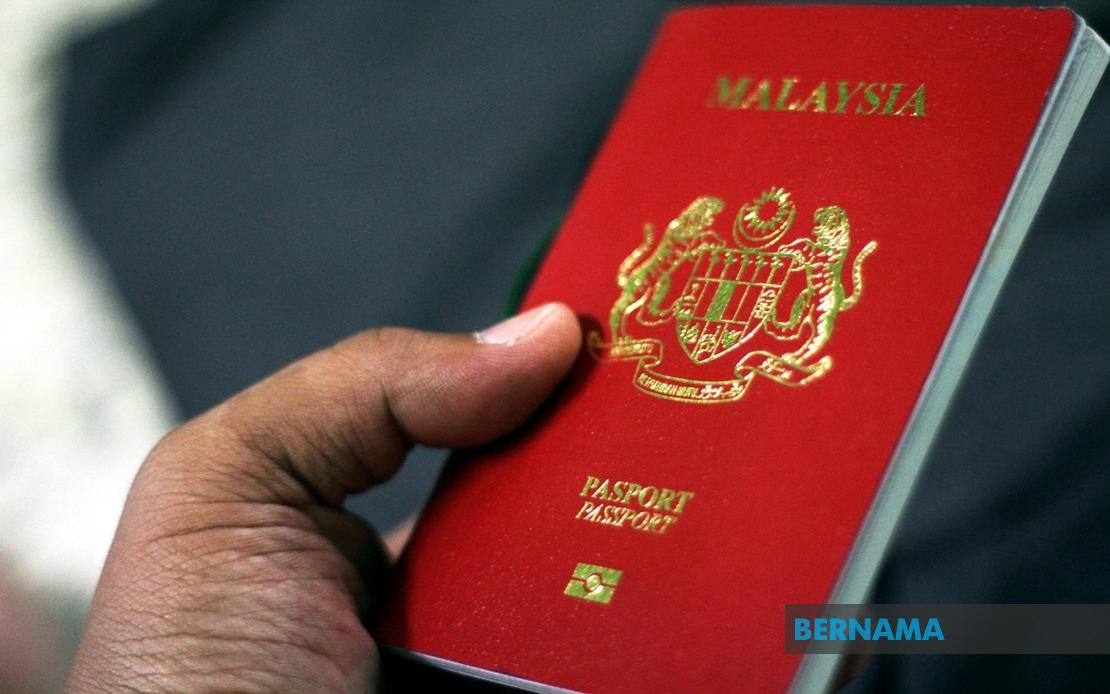
Prime Minister Datuk Seri Anwar Ibrahim will unveil the next generation of Malaysia's international passport at Parliament on Tuesday, introducing a travel document fortified with 94 distinct security features designed to combat counterfeiting and enhance border security across the region. The launch represents a significant technological leap, with the new passport incorporating nearly twice the security safeguards present in the existing version, which contains 49 protective measures. This upgrade reflects the government's strategic commitment to maintaining Malaysia's competitive standing in global travel document standards and protecting citizens from identity theft and document forgery.
The enhanced passport incorporates several layers of sophisticated protective technology spanning both visible and invisible security elements. Among the prominent features are advanced holographic imagery that shifts and changes when tilted, ultraviolet printing that reveals hidden patterns under UV light detection, and concealed visual components that remain undetectable without specialised equipment. Additionally, the document employs cutting-edge forensic security features specifically engineered to assist immigration and law enforcement authorities in verifying authenticity during routine document inspections. These technologies make the passport substantially more difficult to replicate using conventional counterfeiting methods, positioning Malaysia alongside leading nations in travel document security innovation.
The security enhancements extend beyond surface-level design elements to fundamental structural improvements. The binding thread that holds the passport booklet together has been engineered with integrated security properties, making the document's physical integrity part of its authentication system. Equally significant, the designers have customised each page within the passport with a distinct layout, eliminating uniformity and creating additional barriers for forgers seeking to reproduce pages convincingly. This multi-layered approach—combining visible security markers, embedded features, structural innovations, and unique page designs—creates a comprehensive authentication framework that requires sophisticated counterfeiting infrastructure to breach.
Malaysia's decision to modernise its passport aligns with broader efforts to strengthen national identity documentation systems. Earlier this year, Home Minister Datuk Seri Saifuddin Nasution Ismail announced plans to introduce redesigned versions of both the Malaysian International Passport and MyKad identification card, signalling a comprehensive government initiative to fortify data security across multiple identity documents simultaneously. This coordinated approach acknowledges that identity security operates as an interconnected system, where vulnerabilities in one document type can compromise the integrity of others. The government's phased approach allows for thorough testing and implementation while maintaining continuity in citizen services.
The timing of this launch carries strategic significance for Malaysia's international standing. According to the 2025 Passport Index rankings, the Malaysian International Passport currently ranks as the world's third most powerful travel document, reflecting its widespread acceptance and the level of trust international authorities place in Malaysian identity credentials. This elevated ranking underscores Malaysia's reputation for maintaining rigorous document security standards and compliance with international travel security protocols. By introducing the enhanced passport now, Malaysia seeks to reinforce and advance this position, demonstrating proactive commitment to evolving security threats and maintaining parity with leading nations in document innovation.
For Malaysian travellers and businesses, the new passport carries tangible benefits beyond security enhancements. A more secure travel document typically encounters fewer complications during border processing, as customs and immigration officers can verify authenticity more quickly using standardised verification techniques. This efficiency translates to smoother international travel experiences and reduced processing delays at airports and land borders across Southeast Asia and beyond. For businesses engaged in cross-border commerce, employee mobility, and international operations, reliable identity documents facilitate smoother administrative procedures and reduce friction in logistical operations.
The regional implications extend across Southeast Asia, where document security concerns affect multiple nations sharing air and maritime borders with Malaysia. Enhanced Malaysian passport security strengthens regional border integrity and facilitates more efficient cooperation between ASEAN nations' immigration authorities. As regional travel integration deepens through initiatives like the ASEAN Travel Pass and cross-border economic corridors, individual nations' commitment to document security becomes increasingly important for collective regional security interests. Malaysia's upgrade signals to neighbouring countries and international partners that the nation maintains vigilant standards for identity documentation.
Implementation of the new passport will require coordination across multiple government agencies responsible for document production, distribution, and citizen education. The Immigration Department must establish production protocols, train staff in verification techniques, and manage the transition period when both old and new passports remain in circulation. Public communication campaigns will familiarise citizens with security features and explain the advantages of the redesigned document. While the government has not announced specific timelines for full transition to the new passport, phased implementation approaches typically minimise disruption to citizens while ensuring comprehensive deployment across Malaysia's population.
The launch event at Parliament serves symbolic and practical purposes, providing Prime Minister Anwar Ibrahim a platform to highlight government achievements in modernising critical national infrastructure while demonstrating responsiveness to contemporary security challenges. Parliamentary settings lend governmental authority to the announcement and signal legislative branch engagement with executive initiatives addressing citizen security. Media coverage of the launch will educate the public about document security features, making citizens more capable of recognising authentic passports and reporting suspicious documents to authorities.

