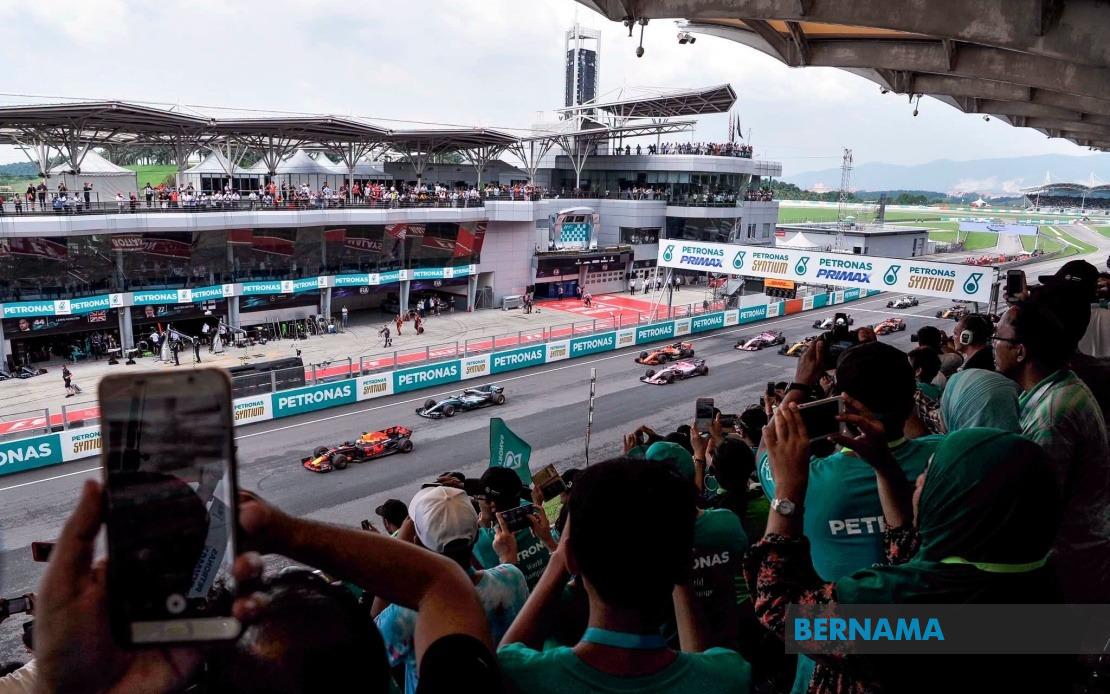
Prime Minister Datuk Seri Anwar Ibrahim has unveiled an initiative designed to bring Formula 1 racing within reach of ordinary Malaysians, announcing MADANI Tickets exclusively for MyKad holders starting at RM200 for the Gulf Air Bahrain Grand Prix scheduled to take place at Sepang International Circuit in October. The ticket offering provides three-day event access and represents a significant effort by the government to make world-class motorsport accessible to a broader spectrum of the Malaysian population, moving beyond the traditionally premium pricing that has characterised major racing events at the venue.
The announcement emerged after weeks of deliberations between Malaysian authorities and the Bahrain government, culminating in a mutual agreement that paved the way for this ticketing arrangement. Anwar confirmed the development through a Facebook post, emphasising the government's commitment to ensuring more citizens could experience the spectacle of Formula 1 racing live rather than only through television broadcasts. The initiative reflects a broader policy direction under the current administration to democratise access to major sporting events and cultural experiences.
The return of Formula 1 to Sepang carries particular significance for Malaysian motorsport enthusiasts and the nation's broader sporting aspirations. Sepang International Circuit served as home to the Malaysian Grand Prix from 1999 through 2017, hosting nearly two decades of Formula 1 racing that became a fixture on the global motorsport calendar. The circuit's exit from the F1 calendar resulted from escalating operational expenses and prohibitively high licensing fees, challenges that had made the annual event economically unsustainable despite its popularity among fans and its role in elevating Malaysia's international sporting profile.
The 2026 Bahrain Grand Prix at Sepang represents a recalibration of Malaysia's relationship with Formula 1, albeit with a geographical twist that underscores evolving regional dynamics. The event was originally scheduled for the Bahrain International Circuit in April but was repositioned to October and relocated to Malaysia following geopolitical tensions in West Asia that created uncertainty around hosting international events in the region. This shift demonstrates how regional stability concerns and diplomatic considerations now intersect with major sporting logistics, with Sepang emerging as a more stable and logistically viable host venue.
The MADANI Tickets initiative carries political and social dimensions beyond mere ticket distribution. The designation of these discounted seats as MADANI—the government's acronym representing its core policy framework—signals an attempt to brand accessibility and affordability as central governance principles. By restricting the offer to MyKad holders, the scheme ensures the subsidy benefits Malaysian citizens specifically, avoiding leakage to international buyers or resellers who might exploit the price differential in secondary markets. The pricing structure starting at RM200 likely represents tiered access, with different price points corresponding to seating locations and sightlines within the circuit.
For Malaysians who grew up during the circuit's active F1 years, this represents a reconnection with a sporting tradition that became woven into the nation's identity. The Malaysian Grand Prix generated international media attention, supported local hospitality and transportation industries, and created moments of national pride when local drivers or regional competitors achieved strong results. The 15-year absence from the calendar coincided with shifting global motorsport economics and Malaysia's relative decline in international racing prominence, making the return—even as a one-off event—symbolically important.
The logistical implications of hosting this event extend across multiple economic sectors. Sepang International Circuit requires modernisation and preparation to meet current Formula 1 technical standards, hospitality requirements, and safety protocols. The circuit's supporting infrastructure, including accommodation, transportation networks, and food service facilities, will undergo scrutiny and potentially enhancement. Beyond the circuit itself, the event promises benefits to Kuala Lumpur's hospitality sector, regional airlines, and tourism operators who will service the anticipated influx of international visitors and teams.
The announcement's timing in mid-August provides approximately fourteen months for promotion, ticketing arrangements, and infrastructure preparation. Sepang International Circuit has indicated that further details regarding ticket availability, allocation procedures, and specific pricing tiers would follow, suggesting a coordinated rollout strategy rather than immediate mass availability. This phased approach allows organisers to manage demand, coordinate with accommodation providers, and finalise all operational arrangements.
Regionally, Malaysia's hosting of this event carries implications for Southeast Asian motorsport development and international sporting diplomacy. The successful execution of a high-profile Formula 1 grand prix could position Malaysia as a viable host for future major events, potentially attracting other international sports competitions. It also demonstrates the region's capacity to accommodate prestigious global events despite occasional geopolitical turbulence, an important signal to international sports federations and commercial partners evaluating regional opportunities.
For Malaysian fans, the prospect of attending a Formula 1 race at home without prohibitively expensive ticket pricing represents a genuine democratisation of experience. The RM200 entry point sits substantially below typical premium event pricing and reflects government willingness to absorb portions of hosting costs to ensure citizen participation. This contrasts with purely commercial event models where profitability depends on extracting maximum revenue from available demand, instead privileging accessibility and broad-based engagement.
The initiative also raises questions about long-term sustainability and Malaysia's potential role in the Formula 1 calendar beyond 2026. A successful debut could generate momentum for securing future races, though the underlying economics that removed Malaysia from the calendar a decade ago remain relevant. The government's willingness to subsidise ticketing for this event suggests policy commitment to motorsport, but continued hosting would require ongoing financial commitment or alternative revenue models that prove more sustainable than previous arrangements.
As preparations commence, the MADANI Tickets announcement represents more than a ticketing scheme—it embodies a calculation about national priorities, sporting legacy, and the value of making international-calibre experiences accessible to citizens. Whether this single event catalyses broader changes in Malaysia's motorsport landscape or marks a symbolic reconnection with a departed tradition will become clearer as October 2026 approaches and the global motorsport community descends on Sepang.

