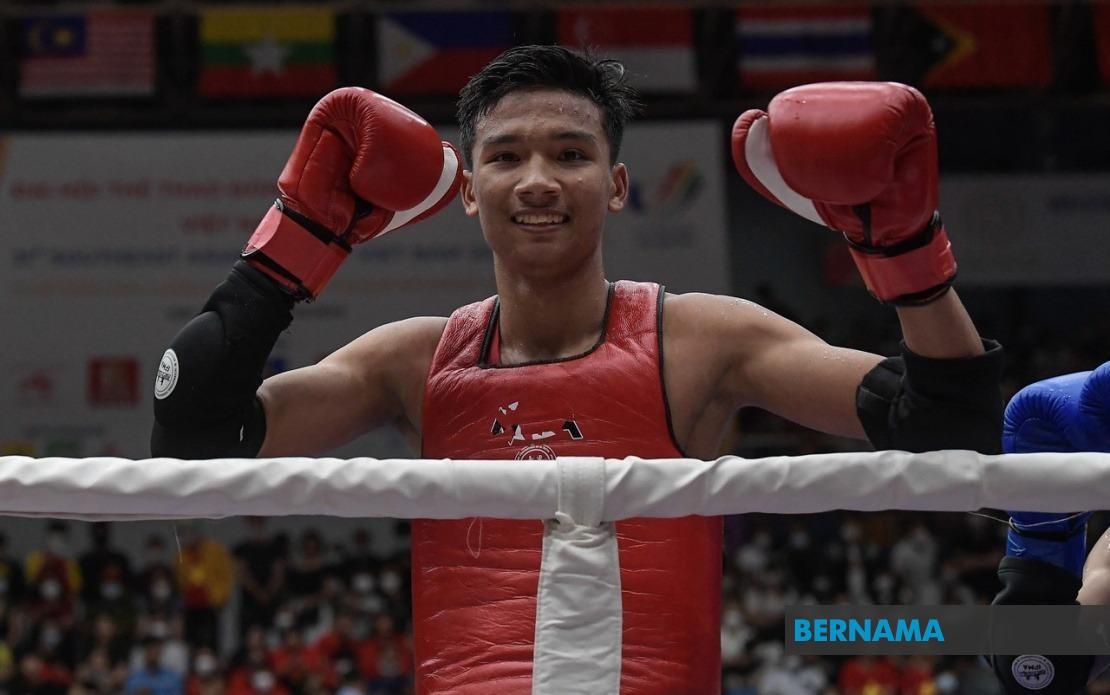
Prime Minister Datuk Seri Anwar Ibrahim has mobilised national backing for Ahmad Nor Iman Aliff Rakib, a Malaysian Muay Thai athlete preparing for a world championship challenge this Friday, positioning the bout as a defining moment for Malaysian combat sports on the global stage. Through a Facebook announcement, Anwar highlighted the significance of Rakib's qualification for the ONE Interim Strawweight Muay Thai World Championship, framing his pursuit as a historic opportunity that extends beyond personal achievement to represent the nation's sporting prowess internationally.
Rakib's opponent will be Sam-A Gaiyanghadao, a storied Thai Muay Thai figure, with the contest scheduled for Lumpinee Stadium in Bangkok, one of the sport's most hallowed venues. The matchup carries considerable symbolic weight given Thailand's dominance in Muay Thai globally and the traditional strength of Thai athletes in international competition. For a Malaysian fighter to reach a world title bout in this discipline represents a breakthrough moment for Southeast Asian representation in ONE Championship, the region's premier mixed martial arts and combat sports organisation.
Anwar's public endorsement demonstrates the political importance assigned to sporting achievement in Malaysian national discourse. The Prime Minister's statement emphasised that Rakib would become the first Malaysian combat sports athlete to qualify for a world title shot, a distinction that underscores both the rarity of such opportunities and the potential inspiration such success could generate domestically. By framing the contest as a chance to elevate Malaysia's international reputation, Anwar connected individual athletic performance to broader national pride and identity.
The timing of the Prime Minister's intervention reflects a broader pattern in Malaysian governance where high-profile athletes receive executive-level support during major competitions. This approach recognises that sporting achievements, particularly in emerging combat disciplines, can enhance a nation's soft power and provide morale-boosting narratives for domestic audiences. Muay Thai, while historically associated with Thailand, has developed an increasingly competitive international following, and Malaysian participation at championship level signals the sport's growing foothold in the region.
Rakib's pathway to this world title opportunity highlights evolving sporting dynamics in Southeast Asia. The ONE Championship platform has created unprecedented opportunities for athletes across the region to compete at globally recognised standards, breaking down traditional barriers that previously limited non-Thai competitors in Muay Thai. Malaysian athletes entering this competitive space benefit from both increased exposure and the legitimacy provided by competition within established international frameworks.
The strawweight category, at which Rakib competes, represents one of the lighter divisions in professional combat sports. Success at this level requires extraordinary technical precision, endurance, and tactical acumen. That a Malaysian athlete has progressed sufficiently to warrant a world title shot indicates significant development within the nation's Muay Thai infrastructure and training ecosystem. The achievement also reflects individual dedication and likely years of accumulated experience and refinement.
From a Southeast Asian perspective, Rakib's advancement carries implications beyond Malaysia's borders. Regional countries increasingly view combat sports as vehicles for athletic development and international recognition. Thailand's historical dominance in Muay Thai has shaped perceptions of the sport, yet Rakib's qualification suggests that competitive balance is shifting as training methodologies improve and more athletes gain access to world-class facilities and coaching. Malaysia's representation at this level potentially encourages similar investment and athlete development programmes across neighbouring nations.
The Lumpinee Stadium contest also represents a test of Malaysian athletic infrastructure and talent identification systems. Success in such high-pressure international environments requires not merely individual talent but comprehensive support networks encompassing nutrition, medical care, psychological preparation, and strategic coaching. Rakib's participation demonstrates that Malaysian sporting institutions have developed sufficient capacity to nurture athletes capable of competing at world championship levels in technically demanding disciplines.
Anwar's call for national support reflects an understanding that athletes performing on global stages benefit from domestic encouragement and media attention. In Malaysian context, where football dominates public sporting interest, combat sports remain relatively niche. Prime ministerial endorsement elevates the visibility of Muay Thai within the national sports consciousness and potentially inspires younger athletes to pursue excellence in this discipline. Such political backing also signals government recognition of combat sports as legitimate pathways for athlete development and national representation.
The broader significance of this world title bid extends to questions about Malaysian sporting trajectory and competitiveness in emerging disciplines. While traditional sports remain culturally entrenched, combat sports represent growth areas where investment and talent can generate rapid international advancement. Rakib's position as a first-time world title challenger in an established international promotion demonstrates that Malaysian athletes can compete effectively in competitive environments dominated by traditional powerhouses, provided proper development and support exist.
Looking forward, the outcome of Friday's contest will likely influence Malaysian sporting policy and investment decisions. Should Rakib succeed, expectations for similar achievements in other combat disciplines would intensify, potentially driving increased government and private sector support for athlete development in these areas. Conversely, even competitive performance against an established legend like Sam-A Gaiyanghadao would represent significant progress and validate the investment in developing Malaysian Muay Thai talent.
The contest ultimately transcends individual athletic competition, embodying broader narratives about Malaysian sporting ambition, regional competitiveness, and the nation's place within international combat sports hierarchies. Anwar's public backing emphasises that official recognition accompanies such achievements, transforming what might otherwise remain a specialised sporting event into a matter of national interest and collective pride.

