%22%2F%3E%3C%2Fpattern%3E%3C%2Fdefs%3E%3Crect%20width%3D%22100%25%22%20height%3D%22100%25%22%20fill%3D%22url(%23ph1iusbg)%22%2F%3E%3Crect%20width%3D%22100%25%22%20height%3D%22100%25%22%20fill%3D%22url(%23ph1iusbp)%22%2F%3E%3Ctext%20x%3D%2250%25%22%20y%3D%2250%25%22%20text-anchor%3D%22middle%22%20dominant-baseline%3D%22central%22%20fill%3D%22rgba(255%2C255%2C255%2C0.95)%22%20font-family%3D%22Georgia%2C%20'Times%20New%20Roman'%2C%20serif%22%20font-weight%3D%22700%22%20font-size%3D%22320%22%20letter-spacing%3D%22-0.02em%22%3EPM%3C%2Ftext%3E%3C%2Fsvg%3E)
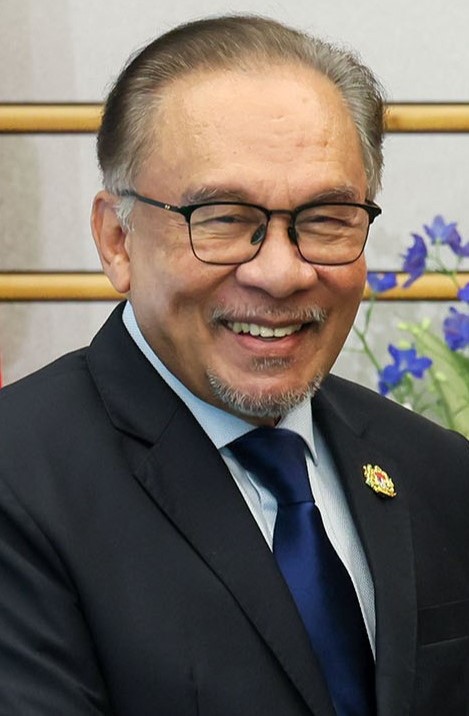
Prime Minister Datuk Seri Anwar Ibrahim presented welfare assistance from the Tabung Kasih@HAWANA fund to three media practitioners battling significant health challenges at the National Journalists' Day (HAWANA) 2026 celebration in Butterworth on June 20. The event, held at the PICCA@Arena Butterworth Convention Centre, underscored the government's commitment to supporting those within the media industry facing financial hardship due to medical conditions. The occasion was also graced by Penang Chief Minister Chow Kon Yeow and Communications Minister Datuk Fahmi Fadzil, reflecting the cross-level government support for the initiative.
The three beneficiaries represent different segments of Malaysia's media landscape. Noraini @ Talhah Mat Tahir, a 63-year-old former production executive at Media Prima with three decades of industry experience, has been managing severe osteoarthritis since January and requires total knee replacement surgery. Her case exemplifies how chronic conditions can impose substantial financial burdens on media workers, particularly those no longer in active employment. The assistance provided through Tabung Kasih@HAWANA will substantially ease the medical costs associated with her surgical procedure and subsequent rehabilitation.
Guanalan Sengalaney, a 61-year-old journalist with Makkal Osai, brings seventeen years of professional experience in journalism but faces ongoing treatment for heart disease and hypertension. His situation reflects a growing challenge within the industry: the combination of expensive chronic disease management and the demands of supporting a family of five on potentially limited income. Guanalan has had to adapt his work arrangements, supplementing his journalism income with live-streaming work to manage daily expenses and the continuous medication costs his conditions require. His case demonstrates how health crises can force media professionals into precarious economic positions despite their professional standing and experience.
The third recipient, Ch'ng Lay Wah, a former reporter with Kwong Wah Yit Poh, could not attend due to deteriorating health. Her sister, Ch'ng Goet Tin, accepted the award on her behalf and described how Lay Wah has been battling breast cancer for two years. The daily demands of chemotherapy and wound care treatment have created an ongoing financial strain that extends beyond the direct medical costs. This case illustrates how serious illnesses impose not just acute expenses but sustained, cumulative financial pressure that can deplete savings and create cascading hardship for entire families.
Tabung Kasih@HAWANA, established in 2023, has evolved into a significant welfare mechanism for the media sector. Since its inception, the fund has supported 773 media practitioners across the country, distributing a combined RM2.26 million in assistance. The breadth of this outreach suggests that medical and financial hardship among media workers is neither isolated nor exceptional but rather a systemic challenge affecting a substantial portion of the professional community. The fund operates through multiple assistance channels including direct financial aid, medical expense support, family welfare assistance, and other tailored forms of help designed to address the diverse needs practitioners face.
During the HAWANA 2026 event, Anwar announced a significant expansion of the initiative, allocating an additional RM1 million to Tabung Kasih@HAWANA. This fresh allocation demonstrates sustained governmental commitment beyond token gestures, acknowledging that the existing support base requires periodic enhancement to meet growing demand. The announcement signals recognition that media practitioners, despite their important role in democratic society and public information dissemination, face economic vulnerabilities that warrant institutional support mechanisms.
The timing and scale of this government intervention carries particular significance for Malaysia's media landscape. The country's journalists and media workers have navigated considerable professional challenges in recent years, including industry consolidation, digital disruption of traditional business models, and economic pressures that have compressed profit margins across publishing and broadcast organizations. Within this context, supporting practitioner welfare through direct assistance becomes not merely charitable but structurally important for maintaining a healthy media ecosystem.
For Malaysian readers and observers of governance, this initiative illustrates how social protection can be extended to professional groups often overlooked in mainstream welfare discussions. Unlike manufacturing workers or construction laborers who have established union structures and industry-wide safety nets, media practitioners frequently operate as individuals within competitive organizational hierarchies. The Tabung Kasih@HAWANA model addresses this gap by creating a dedicated fund accessible to the broader industry rather than depending on organizational goodwill.
The personal testimonies from recipients highlight the profound relief such assistance provides. Noraini's gratitude for help managing surgical costs, Guanalan's emphasis on continued motivation for treatment, and the family's appreciation of support during Lay Wah's chemotherapy journey demonstrate tangible human impact. These accounts move beyond statistics to show how financial assistance directly enables access to medical care and reduces the psychological stress accompanying serious illness.
For the Southeast Asian media community more broadly, Malaysia's Tabung Kasih@HAWANA model offers instructive lessons. The initiative addresses a genuinely transnational challenge: journalists and media practitioners across the region face similar economic pressures and inadequate welfare protections. By formalizing and adequately funding practitioner assistance, governments signal that media sustainability depends partly on supporting those who do the work. This becomes increasingly important as digital transformation continues reshaping media economics throughout Southeast Asia.
The involvement of ministerial-level officials at the HAWANA event underscores how practitioner welfare has moved into the formal policy sphere rather than remaining a peripheral concern. Communications Minister Fahmi Fadzil's presence particularly signals alignment between welfare support and media governance priorities. This institutional integration suggests that welfare for media workers may receive more consistent policy attention and resource allocation going forward.
Looking ahead, the RM1 million additional allocation to Tabung Kasih@HAWANA raises questions about scalability and sustainability. With 773 practitioners already assisted and presumably more requiring support, the fund's growth trajectory will depend on continued government contributions and potentially expanded private sector involvement. The Communications Ministry will likely need to develop transparent allocation mechanisms and impact measurement systems to demonstrate effectiveness and justify ongoing public investment.
Ultimately, the Tabung Kasih@HAWANA initiative represents a pragmatic acknowledgment that professional journalists and media workers deserve institutional support when facing health crises. In an era when media credibility and independence are frequently contested, ensuring practitioners can access healthcare without catastrophic financial consequences becomes part of maintaining a functional information ecosystem. The three recipients celebrated at HAWANA 2026 represent hundreds more whose continuing work depends on such support systems existing.