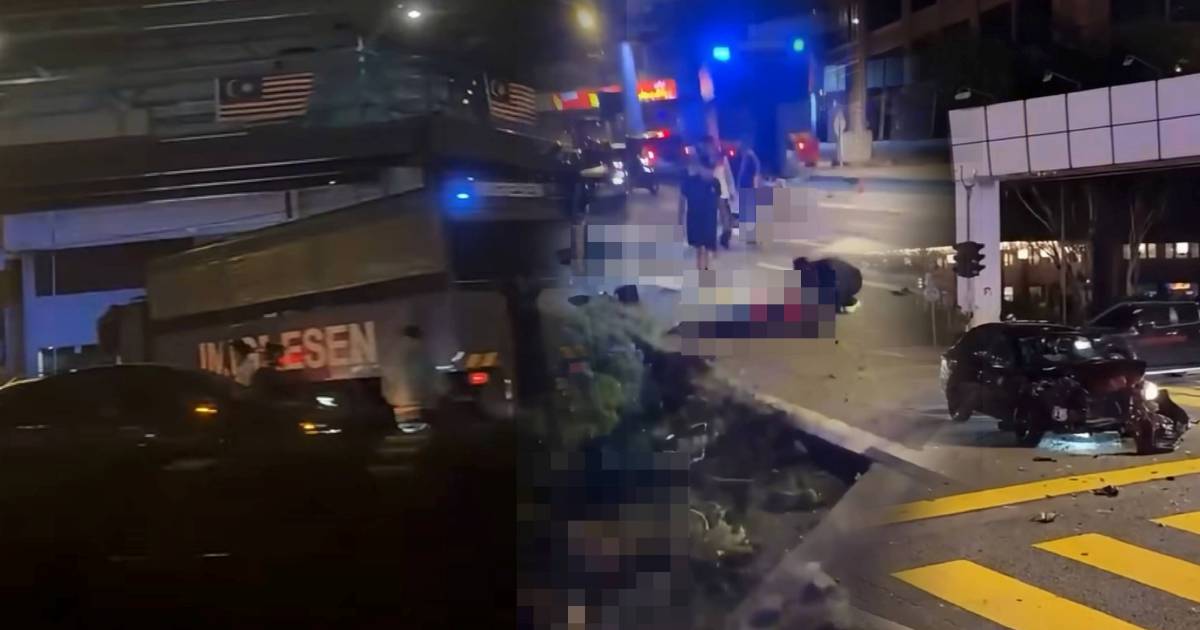
Prime Minister Datuk Seri Anwar Ibrahim has directed the Immigration Department to launch an immediate and comprehensive investigation into a fatal truck accident that occurred along Jalan Sultan Ismail in Kuala Lumpur during the early hours of the day. The high-profile intervention underscores the government's concern over the incident and signals that accountability measures will be prioritised in determining what led to the collision.
The directive represents a significant escalation in official attention to road safety incidents involving government agencies and their fleet operations. By personally ordering the probe, the Prime Minister has flagged that vehicle safety standards, driver protocols, and maintenance procedures across federal departments will come under renewed scrutiny. This move reflects a broader government commitment to preventing similar tragedies among public sector operations, which transport both personnel and sensitive materials across the capital daily.
The crash on Jalan Sultan Ismail, a major arterial road in central Kuala Lumpur, raises critical questions about safety management in busy urban corridors where government vehicles operate alongside private transport during peak and off-peak hours. The timing of the incident—occurring in the early morning—suggests factors such as visibility, driver fatigue, or vehicle condition may warrant particular examination during the investigation. Such accidents in high-traffic zones carry implications beyond immediate casualties, affecting traffic flow and public confidence in institutional operations.
The Immigration Department, responsible for border security and documentation services across Malaysia, maintains a substantial vehicle fleet for operational purposes. An accident involving departmental transport raises institutional concerns about whether fleet maintenance schedules, driver training programmes, and safety compliance protocols are meeting acceptable standards. The department's credibility and operational capacity depend partly on demonstrating that it can safely manage its resources and personnel.
Fatalities involving government vehicles often trigger broader administrative reviews within relevant ministries and departments. The PM's directive suggests that such a review will encompass not only the immediate circumstances of this accident but also systemic factors affecting how federal agencies manage transportation risks. This includes examining whether vehicle inspections are conducted regularly, whether drivers receive adequate safety training, and whether fatigue management protocols are in place for staff working unusual hours.
For Malaysian road users and the public, incidents involving government vehicles attract particular attention because they involve institutional responsibility and taxpayer assets. High-profile interventions by senior political figures in such cases signal that negligence will not be tolerated and that the government takes its duty of care seriously. This messaging carries weight, particularly given Malaysia's road safety challenges and the need to instil safer driving practices across all sectors.
The investigation will likely examine multiple variables including weather conditions, visibility at the time of the accident, the condition of the road surface, vehicle maintenance records, driver qualifications, and whether any mechanical failures contributed to the collision. Immigration Department staff training on vehicle operation and emergency procedures may also come under review to identify gaps in preparedness.
From a Southeast Asian perspective, government agencies across the region increasingly face scrutiny over occupational safety and fleet management. Malaysia, as a regional economic hub with substantial government infrastructure, sets standards that influence practices in neighbouring countries. How the Immigration Department responds to this investigation will have symbolic significance beyond Malaysia's borders, demonstrating to regional counterparts the importance of institutional accountability.
The involvement of high-level political direction in this investigation also sends a message to the public service more broadly. Other federal departments and agencies will note that vehicle safety cannot be treated as a routine administrative matter—it carries direct accountability to the Prime Minister's office. This should incentivise greater diligence in fleet management, driver vetting, and maintenance protocols across government operations.
The comprehensive nature of the investigation ordered suggests that findings will likely extend beyond identifying immediate causes of the crash to encompassing broader systemic recommendations. The PM's office may task relevant authorities with reviewing vehicle safety standards across multiple federal agencies, potentially leading to updated guidelines or enhanced training requirements for government drivers.
For the Immigration Department specifically, successfully conducting a thorough investigation and implementing corrective measures will be essential for maintaining public trust and institutional credibility. The department plays a crucial role in border security and travel documentation, functions that require public confidence in its competence and diligence. Demonstrating accountability through a rigorous investigation and transparent reporting of findings will reinforce that the institution prioritises safety and responsible resource management.
As Malaysia continues to modernise its public infrastructure and expand government operations, vehicle safety must remain a priority alongside efficiency. The PM's intervention signals that the government recognises this imperative and will hold agencies accountable for maintaining adequate safety standards. The outcome of this investigation will likely influence how federal departments approach fleet management and staff safety protocols going forward.

