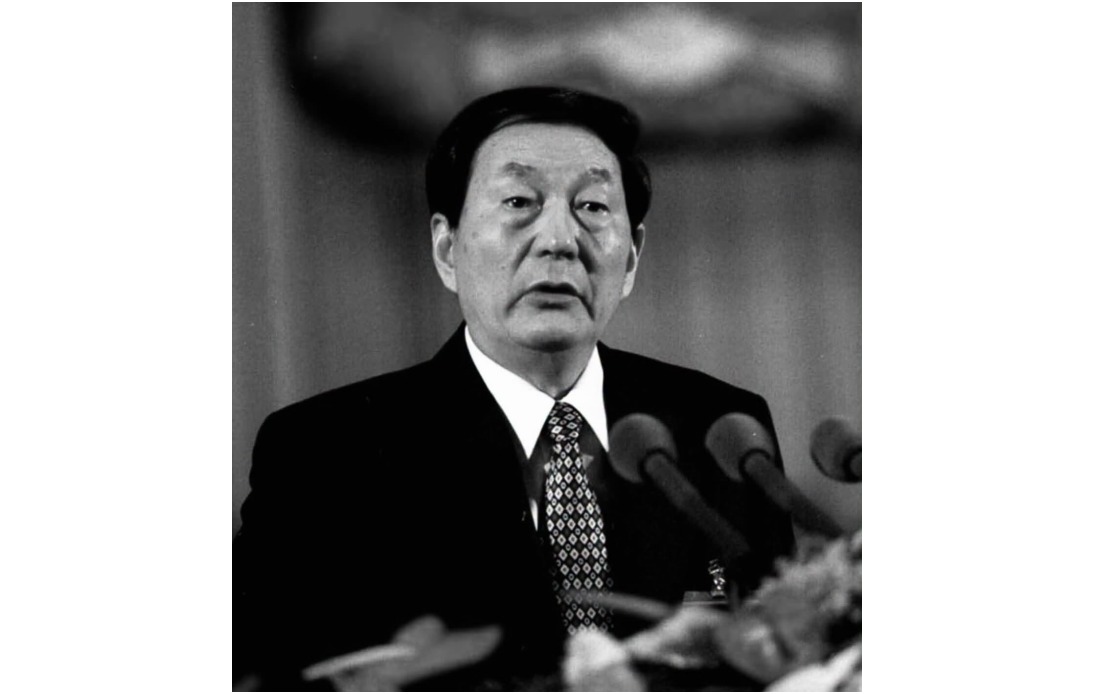
Prime Minister Datuk Seri Anwar Ibrahim has mourned the death of Zhu Rongji, the former Premier of the People's Republic of China who passed away at the age of 97. In a statement released today, Anwar recognised Zhu's monumental contributions to China's economic development and acknowledged the personal bond they shared during decades of diplomatic engagement between the two countries.
Anwar characterised Zhu as one of the principal forces behind China's transformation into an economic powerhouse, emphasising that the reforms implemented during his tenure fundamentally reshaped the trajectory of the Chinese economy. The Prime Minister noted that Zhu's vision and execution were instrumental in positioning China to capitalise on global opportunities and establish itself as a leading economic actor on the world stage during a critical period of the country's modernisation.
The bilateral relationship between Malaysia and China deepened significantly during the 1990s, a period when both Anwar and Zhu held positions of considerable influence in their respective governments. According to the Prime Minister's account, their collaborative efforts during this decade established foundational frameworks for economic and financial cooperation that have endured for more than two decades. These initiatives created pathways for trade, investment, and strategic partnerships that continue to define Malaysia-China relations in the present era.
Beyond the realm of formal diplomacy and economic policy, Anwar shared personal recollections of his interactions with Zhu, illustrating the human dimension of their professional relationship. The Prime Minister recalled visits to culturally significant locations including Qufu, the ancestral home of Confucius, as well as Taishan and sites connected to the voyages of Admiral Zheng He, the legendary Ming Dynasty navigator. These shared experiences reflected a deeper engagement that transcended routine government business and spoke to mutual respect and intellectual curiosity.
During one particularly memorable encounter, Zhu invited Anwar to his personal library, where the former Chinese Premier presented several classical Chinese texts that he had personally selected for his Malaysian counterpart. This gesture underscored Zhu's desire to foster cultural understanding and intellectual exchange between the leadership of both nations, demonstrating a diplomatic approach that valued personal connection alongside institutional engagement.
Zhu's tenure as China's Premier, spanning from 1998 to 2003, coincided with transformative moments for the Chinese economy and its integration into the global system. During his leadership, he orchestrated substantial reforms aimed at modernising state-owned enterprises, introducing market mechanisms into the Chinese economic structure, and facilitating China's accession to the World Trade Organisation. These accomplishments positioned China to become a dominant force in international commerce and investment over the ensuing decades.
The structural reforms undertaken by Zhu represented a calculated departure from centrally planned approaches, incorporating principles of market competition while maintaining government oversight in strategic sectors. His role in securing China's WTO membership in 2001 was particularly significant, as this milestone obligated the country to adopt international standards for trade and commerce while simultaneously granting Chinese enterprises unprecedented access to global markets. For countries like Malaysia, these developments created both opportunities and competitive pressures in the regional economy.
Anwar's tribute characterised Zhu as more than a technocrat or economist, but rather as a statesman possessed of unwavering dedication to his nation's advancement. The Prime Minister emphasised that while Zhu's policy achievements were formidable and well-documented, his personal qualities—particularly his sense of honour and commitment to duty—left an equally lasting impression. This characterisation reflects the depth of the relationship between the two leaders and suggests that their interactions extended beyond the transactional nature typical of many government-to-government engagements.
The death of Zhu represents a significant moment for reflection on Malaysia's diplomatic relationships with China during the post-Cold War era. The 1990s period that Anwar references was a formative time when Malaysia was recalibrating its external relationships following the end of superpower rivalry. Zhu's role in steering China toward greater integration with regional and global economic systems created possibilities for nations like Malaysia to deepen commercial ties and attract Chinese investment during a period of rapid economic expansion in Asia.
For contemporary Malaysian policymakers and business leaders, Zhu's legacy offers lessons in the importance of visionary economic leadership and the capacity to implement difficult structural reforms. His approach demonstrated how strategic positioning within global economic institutions could amplify a nation's influence and development prospects. The frameworks established during Anwar and Zhu's collaborative period in the 1990s have matured into complex networks of investment, trade, and cultural exchange that remain central to Malaysia's engagement with China.
Anwar extended formal condolences to Zhu's wife, his children, and the Chinese people, acknowledging the loss felt by the former Premier's family and the broader Chinese nation. This acknowledgment recognised that Zhu's contributions extended beyond his official capacity and touched the lives of hundreds of millions of people affected by the economic and social transformations he helped initiate. The statement reinforced Malaysia's commitment to the relationship with China that Anwar and Zhu had helped construct decades earlier, signalling continuity in bilateral engagement despite the passing of these pioneering leaders.

