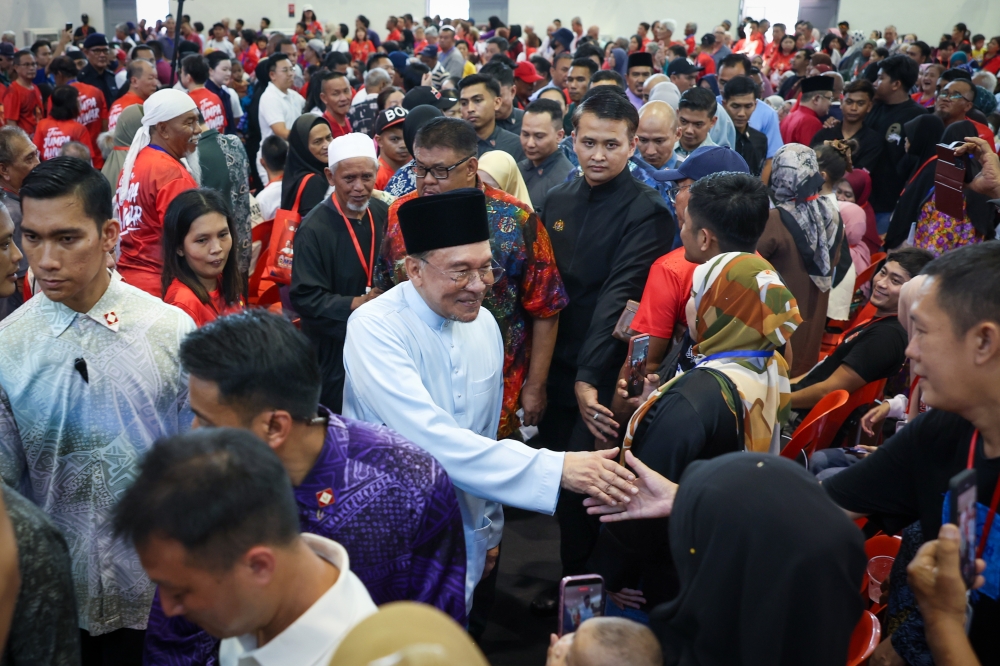
Prime Minister Datuk Seri Anwar Ibrahim has entered a two-day medical observation programme involving comprehensive health examinations and specialist procedures, according to a statement released by the Prime Minister's Office on August 10. The announcement came as the nation's chief executive continues to manage the responsibilities of leading the government whilst prioritising his personal health and wellbeing through regular preventive medical assessments.
The Prime Minister's Office clarified that the medical engagement represents a scheduled health maintenance initiative rather than a response to any acute medical condition. Such periodic health reviews are standard practice for senior government officials worldwide, serving to monitor overall wellness and address any potential health concerns before they develop into more significant issues. The two-day timeframe allows medical specialists to conduct thorough evaluations using contemporary diagnostic techniques and clinical assessments.
The confirmation of Anwar's medical programme underscores the importance placed on maintaining the health of the nation's top political leader. Malaysian prime ministers, like their counterparts across the Commonwealth and beyond, undergo regular health screenings to ensure they remain fit to discharge the demanding duties of high office. Given the intensity of the prime ministerial role—encompassing diplomatic engagement, legislative oversight, and crisis management—maintaining robust personal health is integral to effective governance.
This medical assessment occurs within the broader context of Malaysian political stability and institutional continuity. The transparency demonstrated by the PMO in publicly announcing the scheduled health review reflects contemporary standards of governance communication, allowing citizens and stakeholders to understand the whereabouts and circumstances of their head of government during periods of medical attention. Such openness contrasts with historical practices in various nations where leaders' health matters remained shrouded in secrecy.
The timing of the medical checks also carries significance for Malaysia's political administration. As the nation navigates complex economic challenges, regional geopolitical developments, and domestic policy implementation, the government requires steady leadership and decision-making capacity. Routine health maintenance for the prime minister therefore represents an investment in governance stability and the continuity of executive functions across all departments and agencies under his purview.
From a Southeast Asian perspective, Malaysia's approach to transparent health governance among senior political figures sets a constructive example within the region. Several neighbouring countries have faced political uncertainty stemming from unclear health situations involving their leaders, prompting unnecessary speculation and institutional anxiety. By contrast, Malaysia's institutional communication demonstrates how proactive disclosure of routine medical matters can actually strengthen public confidence rather than diminish it.
The specialist observation period will likely involve cardiovascular assessments, metabolic screening, and other standard diagnostic procedures appropriate for a high-profile political figure. Modern preventive medicine emphasises early detection and continuous monitoring, particularly for individuals in positions requiring sustained cognitive and physical performance. The two-day duration permits comprehensive evaluation that cannot typically be compressed into a single office visit.
Anwar's commitment to maintaining documented health assessments also reflects broader governance best practices that have gained prominence following global experiences during the COVID-19 pandemic. Institutional resilience now demands that organisations maintain clear succession protocols and ensure that key leadership figures maintain verifiable health status. The PMO's willingness to confirm medical engagements publicly demonstrates confidence in the government's institutional depth and forward planning.
The political implications of this health maintenance programme should not be overstated. Anwar, who returned to the prime ministerial office in November 2022 following his earlier political career trajectory, appears focused on demonstrating both personal vigour and institutional responsibility through this transparent approach to health management. The explicit confirmation by government channels prevents the emergence of rumour and speculation that often accompany unexplained absences from public view among senior leaders.
For Malaysia's international standing and diplomatic relationships, the availability of confirmed health information regarding the prime minister supports confidence in the stability and predictability of the Malaysian government. Foreign investors, regional partners, and international organisations value clarity regarding the health and continuity of leadership in their engagement partners. The PMO's straightforward communication thus serves multiple stakeholder interests beyond domestic political considerations.
The specialist observation framework outlined by the Prime Minister's Office demonstrates the professionalisation of Malaysia's health governance protocols for senior officials. Rather than viewing such medical assessments as private matters shrouded from public knowledge, contemporary practice recognises them as legitimate aspects of governmental transparency and institutional accountability. This evolution reflects Malaysia's maturation as a democratic institution with established norms around leadership health and succession planning.

