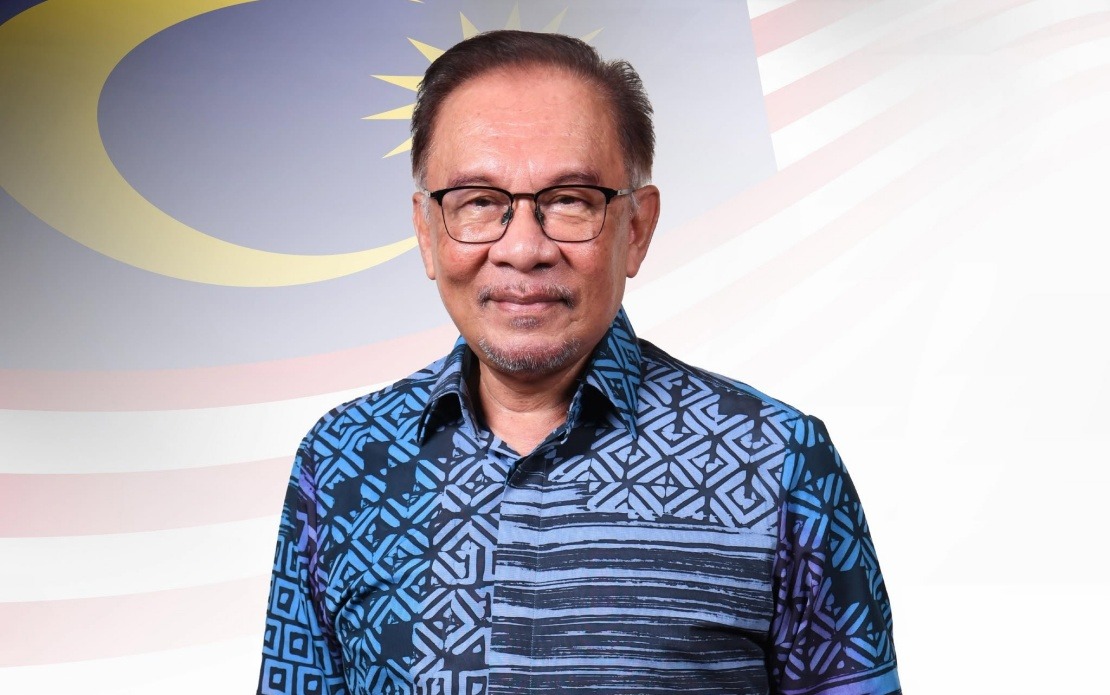
Prime Minister Datuk Seri Anwar Ibrahim is currently receiving medical examinations and undergoing procedures that have been specifically recommended by a team of medical professionals overseeing his care. The announcement was made through his office on August 10, signalling that the nation's top political leader is taking steps to address his health through a comprehensive medical assessment.
According to a statement released by Tunku Nashrul Abaidah, the Prime Minister's Senior Press Secretary, the medical process is expected to require a two-day observation period during which Anwar will remain under the care of the specialist team. This duration suggests a more thorough medical evaluation rather than a routine check-up, though the specific nature of the examinations was not disclosed in the official statement.
The decision to make this information public reflects the administration's commitment to transparency regarding matters affecting the nation's leadership. In parliamentary democracies like Malaysia, public confidence in the continuity and stability of executive leadership depends partly on citizens having assurance that their prime minister is in adequate health to discharge his constitutional responsibilities. The formal announcement through the Prime Minister's office establishes an official record and manages public expectations during the period of medical attention.
Tunku Nashrul Abaidah's statement included a request for public prayers and well-wishes, positioning the medical procedures within a framework of faith and community support. This approach resonates with Malaysian cultural and religious values, where collective prayers and positive sentiment are seen as supporting personal recovery and wellbeing. The explicit mention of Islamic invocation—"insya-Allah" (God willing)—reflects the predominantly Muslim context of Malaysian society and the Prime Minister's own faith perspective.
The statement's emphasis on a return to normal duties in the near future provides reassurance about the continuity of government operations. Malaysia's political system requires active executive leadership for parliamentary functions, cabinet coordination, and international representations. Any extended absence of the prime minister could trigger questions about succession protocols or the delegation of powers, making it important for the office to signal confidence in a swift return to full capacity.
For Malaysia's broader political landscape, the health and fitness of the prime minister carries implications beyond personal wellness. Anwar Ibrahim has faced various health-related scrutiny throughout his political career, and maintaining public confidence in his ability to lead is central to the stability of his administration. The government's decision to provide formal medical information, rather than allowing speculation or rumour to circulate, demonstrates a proactive communications strategy.
The two-day observation window is relatively brief in medical terms, suggesting that the procedures scheduled are neither emergency interventions nor major surgical operations requiring extended recovery. Nevertheless, the involvement of multiple medical specialists indicates a systematic approach to health assessment, possibly encompassing various diagnostic procedures and physical evaluations that require coordinated specialist input.
For the broader Southeast Asian region, the health status of Malaysia's prime minister has subtle diplomatic implications. As a significant economy and regional political player, Malaysia's stability and the continuity of its executive leadership affect regional governance, trade relationships, and international partnerships. Regular confirmation that the prime minister is in good health and able to fulfil his duties provides assurance to Malaysia's partners and investors.
The handling of this medical situation also sets a precedent for how the Malaysian government manages sensitive information about its leadership. By releasing timely, factual information through official channels, the administration preempts unauthorised speculation and maintains control of the narrative. This approach contrasts with scenarios where political leadership health information emerges through leaks or informal sources, which can fuel conspiracy theories and undermine public confidence.
Anwar Ibrahim's administration took office with commitments to institutional reform and economic revitalisation, making sustained executive engagement essential to implementing those policy objectives. A two-day medical evaluation, while requiring temporary absence from some duties, represents a manageable interruption to the broader work of government. The statement's reassurance that normal duties will resume shortly reflects official confidence that the examinations will not reveal any condition requiring extended treatment or limiting the Prime Minister's capacity to serve.
The formal medical framework described—with multiple specialists collaborating on prescribed examinations and procedures—indicates a structured, professional approach to health management at the highest levels of government. This stands in contrast to informal or ad-hoc medical arrangements and reflects modern standards of executive health oversight that most developed nations maintain for their leaders.

