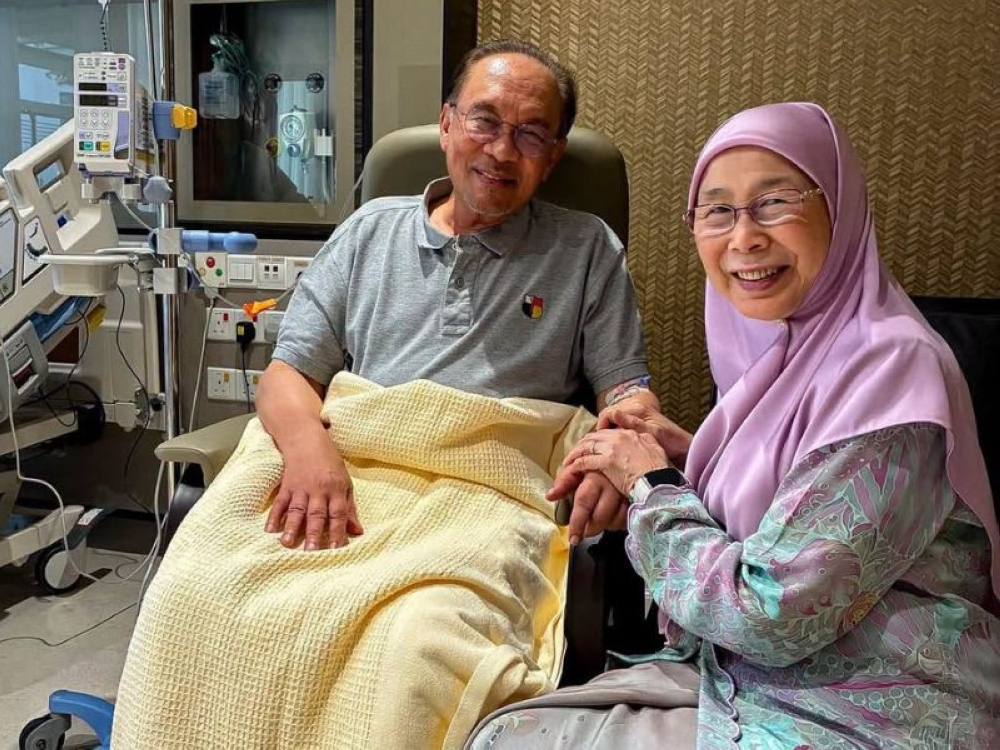
Prime Minister Datuk Seri Anwar Ibrahim is poised to be discharged from hospital today, marking the end of his recovery period following a hernia operation, according to an announcement made by his wife. The surgical procedure, which was conducted at a private medical centre in Kuala Lumpur, proceeded without complications, providing reassurance to senior government officials who had been monitoring the Prime Minister's condition.
The timing of the Prime Minister's discharge comes as Malaysia navigates an intensive legislative calendar and pressing policy matters requiring executive attention. The government has maintained continuity in its operations during Anwar Ibrahim's brief hospitalisation, with senior ministers continuing to oversee their respective portfolios. The Prime Minister's anticipated return to his official duties signals confidence within the administration regarding the success of the medical intervention.
Hernia surgery is a routinely performed procedure with high success rates, particularly when managed through minimally invasive techniques at accredited medical facilities. For public officials, such health matters often attract considerable public interest, though privacy and medical confidentiality remain paramount considerations. The measured communication from the Prime Minister's family has balanced transparency with appropriate discretion regarding personal health information.
The recovery trajectory for hernia procedures typically involves several weeks of restricted physical activity and gradual return to normal functioning. During this post-operative phase, Anwar Ibrahim is likely to adjust his schedule to accommodate medical recommendations, potentially delegating certain high-impact activities while resuming core governmental responsibilities. The nature of modern executive work permits considerable flexibility in how senior officials manage their immediate commitments.
For a nation dependent on stable political leadership, the successful completion of surgical intervention without complications reinforces institutional continuity. Malaysia's constitutional framework and ministerial structure ensure that essential government functions continue uninterrupted even during periods when the Prime Minister requires medical attention. This institutional resilience reflects decades of democratic governance experience in Southeast Asia's region.
The discharge announcement reflects standard medical protocols and positive clinical assessments by the surgical team. Hospital stays following hernia procedures are typically brief, with patients discharged within 24 to 48 hours when post-operative vital signs and wound assessments remain within normal parameters. The decision to release Anwar Ibrahim indicates that medical professionals have determined his condition suitable for continued recovery in a home environment.
Regional observers and international partners have maintained their focus on Malaysia's policy direction and governmental stability throughout this period. The Prime Minister's anticipated return underscores that this health episode represents a manageable personal matter rather than any systemic challenge to the nation's political architecture. Malaysia's investors and diplomatic counterparts can proceed with confidence regarding the continuity of economic and foreign policy initiatives.
The Prime Minister's wife serving as the primary communicator regarding his medical status reflects common family practice in Malaysian public life, where spouses often relay health updates to media and the broader public. This approach maintains the Prime Minister's direct communication channels for official government matters while allowing his family to address personal health developments through appropriate family representatives. The measured tone of her announcement has avoided unnecessary alarm or excessive detail.
As Anwar Ibrahim resumes his duties, the government will likely implement a phased return to full activity levels, consistent with medical recommendations for post-surgical recovery. Cabinet meetings, international engagements, and parliamentary appearances may be gradually reintroduced into his schedule rather than reimposed all at once. This measured approach optimises both health outcomes and governmental effectiveness.
The incident also underscores the importance of robust healthcare infrastructure and access to quality medical services for Malaysia's leadership. The success of the procedure reflects the capabilities of the country's private healthcare sector and the availability of specialised surgical expertise within the nation. For ordinary Malaysians seeking similar treatment, the prominence of governmental leadership requiring such procedures normalises discussions around hernia management and encourages preventive health awareness more broadly.
Moving forward, the Prime Minister's full recovery and return to complete governmental engagement will likely restore normal rhythm to cabinet operations and parliamentary activity. Any outstanding policy priorities that may have been deferred during the hospitalisation period are expected to proceed as originally scheduled. The resilience demonstrated by Malaysian institutions during this brief transition reflects the stability that allows for routine medical care without disrupting the machinery of state.

