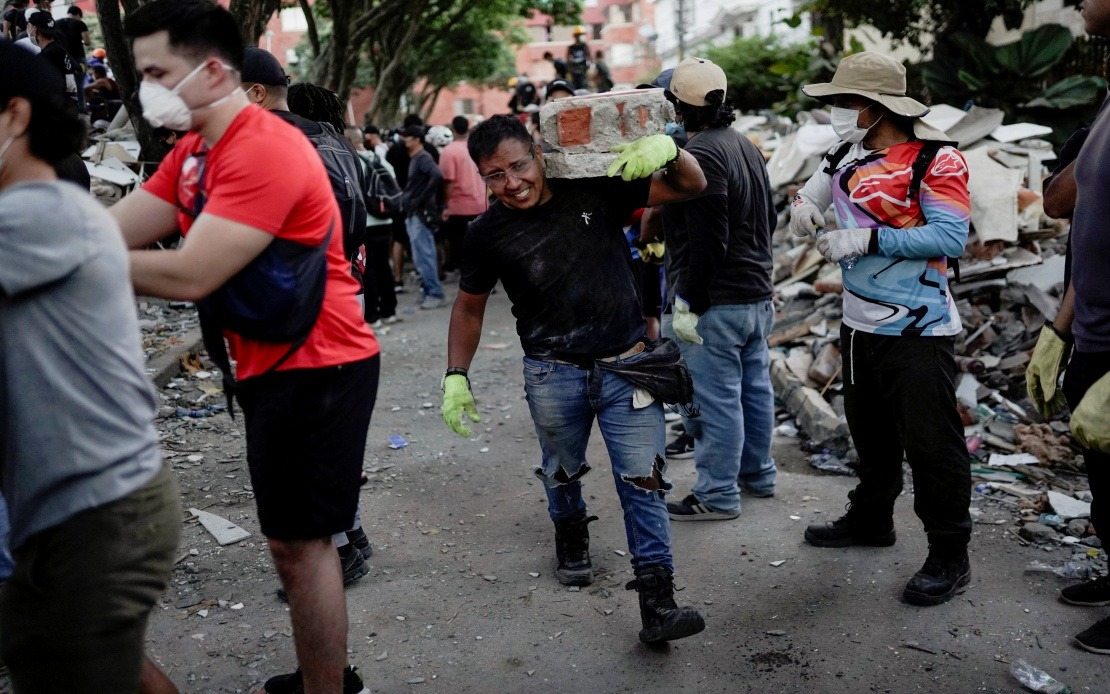
Prime Minister Datuk Seri Anwar Ibrahim has conveyed Malaysia's deepest condolences to the families and loved ones affected by the catastrophic earthquake that devastated western Colombia on Monday. The powerful tremor, registering 7.4 on the magnitude scale, represents the strongest seismic event to impact the South American nation in several decades, leaving a trail of destruction and claiming more than 100 lives across affected communities.
In a statement posted on social media, Anwar articulated Malaysia's commitment to standing alongside the Colombian people during this period of crisis and uncertainty. The Prime Minister's message reflected the customary diplomatic protocol observed among nations confronted with natural disasters of significant scale, emphasising mutual support and shared humanitarian values that transcend geographical boundaries. His remarks underscored how Malaysia, as a responsible member of the international community, recognises its role in expressing solidarity with nations facing catastrophic circumstances.
The earthquake's epicentre was located in the Chocó region of western Colombia, a geologically vulnerable area prone to seismic activity due to its position along major tectonic fault lines. The destructive waves radiating from this epicentre affected multiple urban centres and rural settlements, with particularly severe damage reported in major cities including Cali, Pereira and Manizales. These population centres, home to millions of Colombians, faced immediate challenges in assessing damage, establishing rescue operations and providing emergency services to displaced and injured residents.
Anwar's statement specifically acknowledged the heroic efforts of rescue personnel and civilian volunteers engaged in ongoing search and recovery missions. These individuals have continued their dangerous work despite the ongoing threat posed by powerful aftershocks that continue to shake the region, complicating rescue efforts and causing additional structural damage to already compromised buildings and infrastructure. The Prime Minister's tribute to these workers reflected recognition of the extraordinary risks they undertake in such circumstances.
The magnitude 7.4 earthquake represents a significant seismic event capable of causing widespread structural failure across urban landscapes. Buildings constructed without modern earthquake-resistant standards are particularly vulnerable to collapse, trapping residents and complicating rescue operations. The frequency and intensity of aftershocks following such major earthquakes can persist for weeks or even months, creating sustained dangers for both survivors seeking shelter and rescue teams attempting to locate missing persons beneath rubble.
Malaysia itself has experience with devastating natural disasters, including the 2004 Indian Ocean tsunami that affected the Malaysian peninsula and Sabah. This shared vulnerability to natural hazards creates an implicit understanding among Southeast Asian and other disaster-prone nations regarding the imperative to render assistance and moral support to affected countries. Anwar's expression of solidarity reflects this recognition of common vulnerability in the face of nature's destructive forces.
The Colombian government has been mobilising substantial resources to coordinate response efforts, though the scale of destruction has strained available capacity across rescue services, hospitals and emergency management agencies. International assistance from neighbouring countries and the wider global community has become essential in augmenting local capabilities, providing medical expertise, rescue equipment and logistical support needed to manage the humanitarian crisis effectively.
From a diplomatic perspective, such expressions of condolence serve important functions beyond their humanitarian content. They reinforce bilateral relationships and demonstrate a nation's engagement with global affairs and international norms around mutual assistance during crises. Malaysia's visible expression of support toward Colombia, though a geographically distant nation, signals the country's commitment to multilateral cooperation and humanitarian principles.
The disaster underscores broader vulnerabilities facing densely populated regions situated in seismically active zones. Colombia, like many countries in the Pacific Ring of Fire and along similar fault structures, faces ongoing risks from earthquakes that can strike with minimal warning. Building codes, emergency preparedness planning and public education about earthquake safety remain critical elements of disaster risk reduction strategies that can substantially reduce casualties and injuries when major seismic events occur.
Anwar's statement concluded by urging hope for the Colombian people's recovery and resilience through the challenging period ahead. The humanitarian toll of such earthquakes typically extends far beyond immediate casualties, as survivors grapple with displacement, trauma, loss of livelihoods and the long reconstruction process required to rebuild damaged communities and restore normalcy. International goodwill and sustained support from the global community often prove instrumental in facilitating recovery efforts during extended post-disaster periods.
Malaysia's diplomatic acknowledgement of the Colombia earthquake demonstrates the country's attentiveness to significant international events and its willingness to engage meaningfully with the broader community of nations. Such gestures, while symbolic in nature, contribute to building diplomatic goodwill and reinforcing networks of international cooperation that prove valuable when Malaysia itself faces natural disasters or other crises requiring external support and assistance from friendly nations.

