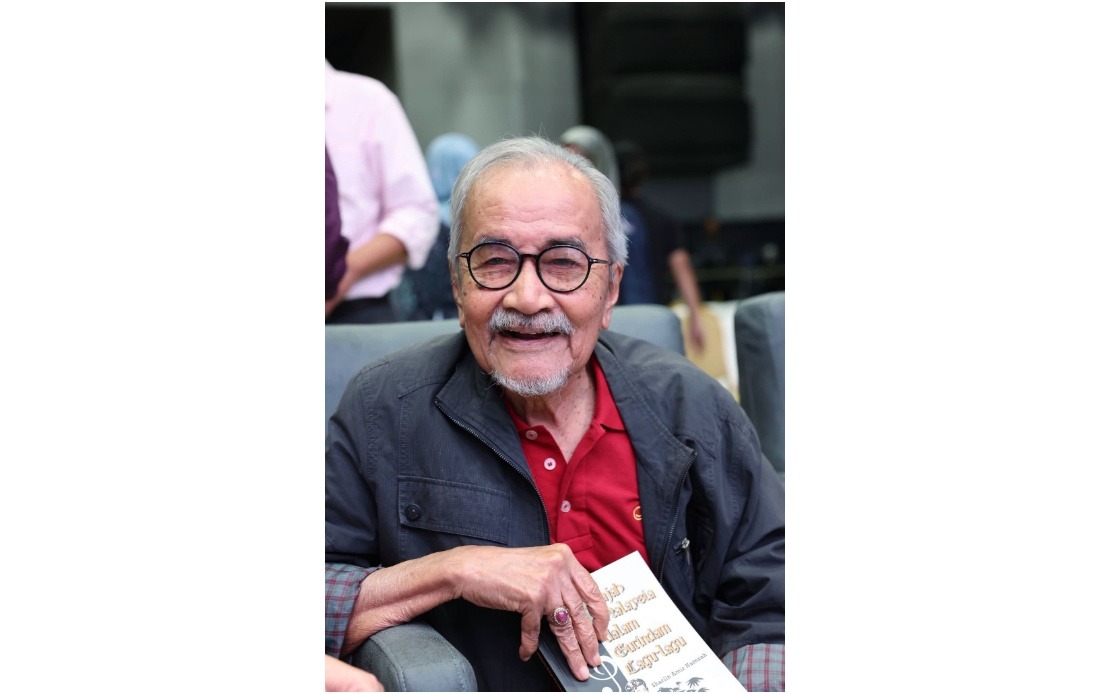
Prime Minister Datuk Seri Anwar Ibrahim has publicly celebrated the 87th birthday of Datuk Rahim Razali, recognising the veteran filmmaker's profound impact on Malaysia's cultural landscape. Through a Facebook post shared on July 5, Anwar highlighted Rahim's standing as an influential architect of the local arts scene, whose creative output has consistently elevated the nation's cinematic heritage and cultural discourse.
Anwar's tribute specifically emphasised how Rahim's body of work transcends mere entertainment value, functioning instead as a vehicle for exploring fundamental human values, cultural traditions, and national identity. This characterisation positions Rahim not simply as a performer or technician, but as a cultural custodian whose artistic decisions carry deeper significance for Malaysian society. The Prime Minister's recognition reflects a broader official acknowledgment of how cinema and the arts contribute to nation-building beyond commercial metrics.
The timing of this public commendation carries symbolic weight in Malaysia's political and cultural calendar. Born on July 3, 1939 in Batu Gajah, Perak, Rahim Razali entered Malaysia's creative industries during the post-independence era when the nation was actively establishing its cultural identity. His longevity in the field—spanning more than six decades—positions him as a living bridge connecting Malaysia's formative years with contemporary creative expression.
Rahim's career encompasses remarkable versatility that distinguishes him within Malaysian entertainment. Beyond acting, he has established himself as a director and scriptwriter, demonstrating the multidimensional skillset required for serious artistic contribution. His additional work in sports journalism and broadcasting further demonstrates his commitment to documenting and analysing Malaysian cultural and sporting moments. This breadth of experience suggests an artist genuinely invested in storytelling across multiple formats and contexts.
The recognition of Rahim's accolades underscores the depth of his professional achievements. His collection of awards from the Malaysian Film Festival, including Best Director and Best Male Actor honours, reflects peer recognition within the industry rather than popular opinion alone. Such institutional validation indicates that his contributions have met rigorous artistic standards, sustaining respect among fellow creative professionals throughout his extended career.
Among Rahim's notable works, his role in Matinya Seorang Patriot carries particular resonance given Anwar's reference to it in his birthday message. This film title, translating roughly to "The Death of a Patriot," suggests thematic engagement with Malaysian identity and national values—precisely the concerns Anwar identified as central to Rahim's artistic mission. Such works invite audiences to contemplate sacrifice, duty, and the meaning of national belonging.
Anwar's prayer for Rahim's continued health and strength carries practical significance beyond ceremonial courtesy. Given Rahim's advanced age, wishing for his sustained vitality reflects awareness that his continued presence in Malaysia's cultural ecosystem represents an irreplaceable resource. Living cultural figures carry knowledge, experience, and networks that cannot be easily reconstructed once lost, making their wellbeing genuinely consequential for the arts community.
The Prime Minister's confidence that Rahim's works will continue inspiring future artistic generations suggests an institutional view of cultural legacy. This perspective treats contemporary artistic production not primarily as entertainment commodity but as educational and inspirational material for emerging creators. Positioning Rahim as a model for future artistes acknowledges that mentorship and artistic lineage matter significantly for sustaining creative traditions across generations.
For Malaysian readers and regional observers, Anwar's tribute illustrates how political leadership engages with cultural figures in Malaysia's system. Unlike contexts where politics and arts maintain strict separation, this public recognition demonstrates that senior government officials regularly acknowledge and celebrate creative contributions. This integration suggests that Malaysia's leadership considers cultural development integral to national progress and identity construction.
Rahim Razali's career also reflects Malaysia's broader cultural evolution over the past several decades. His six-decade journey encompasses the transition from post-colonial establishment through rapid modernisation, technological change, and shifting audience expectations. Having navigated these transformations while maintaining artistic integrity offers lessons about sustaining creative relevance amid societal change—a challenge increasingly relevant for Malaysian cultural workers today.
The generational dimension of this tribute deserves consideration for Southeast Asian contexts more broadly. As Malaysia and its neighbours grapple with cultural globalisation and the dominance of international entertainment formats, recognising figures like Rahim serves to reinforce the continuing importance of locally-rooted creative expression. His work provides counterweight to homogenising entertainment trends, preserving and celebrating distinctly Malaysian perspectives and narratives.
Finally, Anwar's public acknowledgment reflects a deliberate choice to elevate cultural discourse within political communication. Rather than limiting official statements to governance announcements, including birthday tributes to veteran cultural figures expands what counts as legitimate political communication. This approach suggests that Malaysia's leadership recognises cultural vitality as intrinsically connected to national wellbeing and social cohesion, warranting the same attention devoted to economic or security matters.

