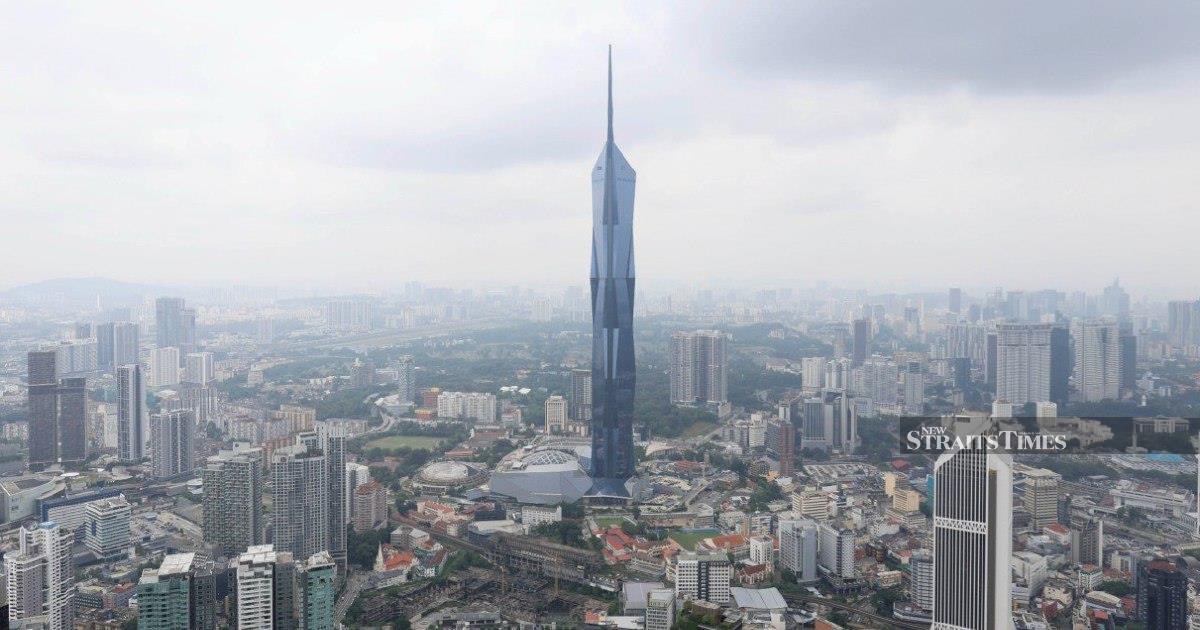
Prime Minister Datuk Seri Anwar Ibrahim has made an appeal to the Malaysian public to turn to prayer in hopes of alleviating the haze that threatens to disrupt the country's National Day celebrations scheduled for August 31. Speaking from Cyberjaya, the Prime Minister expressed concern about the transboundary air quality issues that have become a recurring seasonal problem affecting the nation's major events and daily activities across the peninsula and East Malaysia.
The timing of this call for collective prayer underscores the gravity of haze-related challenges that Malaysia faces annually. As Southeast Asia's second-largest economy prepares to commemorate its national milestone, air quality degradation poses a genuine threat to outdoor festivities, public gatherings, and the overall experience of celebrations that are meant to unite citizens in patriotic observance. The Prime Minister's invocation of spiritual intervention reflects both the unpredictability of transboundary pollution and the limitations of immediate governmental remedial measures when dealing with regional environmental crises.
Haze episodes in Malaysia typically stem from forest fires and agricultural burning in neighboring Indonesia, particularly during the dry season. This cross-border phenomenon has persistently challenged bilateral relations and regional cooperation mechanisms, despite ongoing diplomatic efforts and agreements between Southeast Asian nations. The Air Pollutant Index readings that spike during such periods often reach unhealthy levels, prompting health authorities to issue warnings and advisories to vulnerable populations including children, elderly citizens, and those with respiratory conditions.
The August 31 National Day represents a pivotal occasion in Malaysia's calendar, traditionally featuring outdoor ceremonies, parades, and community events that draw large crowds across the nation. Poor air quality can severely hamper these activities, forcing organisers to reschedule events, relocate celebrations indoors, or implement protective measures that diminish the celebratory atmosphere. Previous years have witnessed similar challenges, with haze episodes occasionally coinciding with the National Day period, necessitating contingency planning and health advisories.
From a public health perspective, persistent haze exposure poses measurable risks to respiratory health and cardiovascular systems. Malaysian health authorities have consistently documented increased hospital visits and respiratory complaints during high pollution episodes. The concern is particularly acute for major urban centres like Kuala Lumpur, Selangor, and the Klang Valley, where population density amplifies the health impact of poor air quality. Schools and workplaces have previously shifted to online operations during severe haze episodes to protect workers and students.
The Prime Minister's appeal also carries implicit acknowledgment of regional environmental governance challenges. Despite frameworks like the ASEAN Agreement on Transboundary Haze Pollution, enforcement and prevention mechanisms remain constrained by sovereign boundary considerations and the scale of agricultural operations across the region. Coordinated monitoring systems and seasonal fire prevention campaigns have had mixed results, and the unpredictability of haze intensity makes long-term planning for major national events inherently difficult.
On the diplomatic front, Malaysia has consistently raised haze issues through ASEAN channels and bilateral discussions with Indonesia. The Indonesian government has deployed personnel and resources to combat forest fires, yet the vastness of affected areas and complex land ownership patterns make complete prevention elusive. Joint task forces and monitoring initiatives have improved information sharing, but structural solutions require significant investment in agricultural practices and land management policies across the region.
For Malaysian residents, particularly those in urban areas where August temperatures are already high and humidity remains elevated, haze episodes create compounded discomfort and health risks. The need for protective masks, air purifiers, and restricted outdoor activities affects quality of life and economic productivity. Businesses relying on outdoor events or tourism experiences face potential revenue disruption, while healthcare systems prepare for increased patient loads during severe pollution episodes.
The Prime Minister's call for prayer reflects both cultural sensibilities and the genuine uncertainty surrounding environmental conditions in the coming weeks. While technological interventions, diplomatic negotiations, and regulatory frameworks all play roles in managing transboundary pollution, the inherent unpredictability of weather patterns and fire seasons means that national preparedness must account for worst-case scenarios. Contingency planning for National Day festivities likely includes alternative formats and venues that could be activated should haze levels deteriorate significantly.
Looking forward, Malaysia's experience with recurring haze episodes underscores the need for comprehensive regional strategies addressing root causes of transboundary pollution. Long-term solutions require investment in sustainable land management, agricultural modernisation, and enforcement of environmental regulations across Southeast Asia. Meanwhile, as August 31 approaches, the nation watches atmospheric conditions closely, balancing optimism about improved air quality with pragmatic preparation for potential disruptions to planned celebrations.

