Seventy-seven trainees enrolled in the National Service Training Programme have received permission to take leave from their training facilities to vote in the forthcoming Johor and Negeri Sembilan state elections. The approval represents an effort by authorities to safeguard the voting rights of younger citizens while maintaining the integrity of the mandatory national service initiative that runs across multiple training camps nationwide.
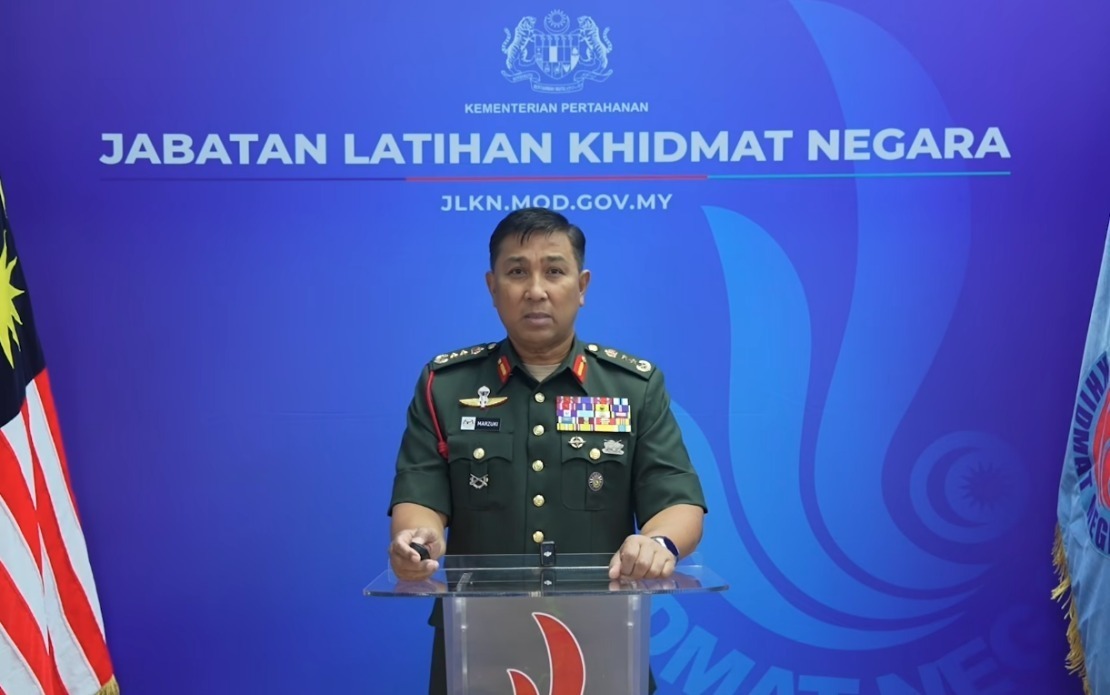
Major General Datuk Marzuki Mokhtar, director general of the National Service Training Department, confirmed the arrangement in a statement, emphasising that the decision reflects a commitment to preserving democratic participation without undermining the core educational objectives that define the PLKN 3.0 programme. This approach acknowledges the dual responsibility the department faces: ensuring trainees fulfil their national service obligations while respecting their constitutional right to participate in electoral processes.
Among the approved trainees, 31 individuals participating in the Johor state election have been granted permission to delay their return to camp facilities until the following day, allowing sufficient time for voting procedures. The remaining 46 trainees scheduled to vote in the Negeri Sembilan election on August 1 will receive two to three days of leave specifically allocated for travel arrangements and voting participation, providing a more generous timeframe given the later date of that particular election.
The PLKN 3.0 Series 3/2026 currently accommodates approximately 870 confirmed trainees distributed across three operational camps throughout the country. Camp 505 AW in Pekan, Pahang houses the largest contingent with 500 participants, while Camp 515 AW in Kuala Lumpur accommodates 250 trainees and Camp 504 AW in Bukit Keteri, Perlis hosts 120 individuals. The programme continues operations through August 24, during which the voting leave arrangements will be implemented without disrupting the overall training schedule.
For Malaysian observers, this development illustrates a practical balancing act within the mandatory service framework. The PLKN initiative represents a significant commitment expected of Malaysian youth, yet granting voting leave demonstrates governmental recognition that democratic participation remains a fundamental civic responsibility that transcends other national obligations. The graduated approach—allowing Johor voters to return the next day while providing extended leave for Negeri Sembilan participants—reflects administrative flexibility tailored to individual circumstances.
The arrangement also carries broader implications for how future government programmes might accommodate electoral participation. As Malaysia continues to refine its approach to compulsory service, maintaining channels for democratic engagement serves to strengthen rather than compromise the values underlying such initiatives. Trainees who can fulfil their voting responsibilities are more likely to develop deeper civic consciousness about the purposes of national service itself.
From a Southeast Asian perspective, Malaysia's approach compares favourably with regional approaches to balancing mandatory service with democratic rights. While some neighbouring jurisdictions have historically restricted voting access during conscription periods, the Malaysian framework prioritises dual participation. This model may influence how other nations in the region design their own service programmes, particularly as youth engagement with electoral processes becomes increasingly important across Asia.
The department has simultaneously reminded prospective trainees for the subsequent PLKN 3.0 Series 4/2026 cycle—particularly those born in 2008—to monitor official channels for announcements regarding selection and registration procedures. This communication underscores the department's commitment to transparent operations and preventing misinformation, a concern particularly relevant given the prevalence of fraudulent recruitment claims associated with government programmes throughout the region.
The voting leave arrangement demonstrates administrative responsiveness to legitimate civic requirements within established training frameworks. Rather than presenting an obstacle to national service objectives, facilitating electoral participation can be viewed as reinforcing the civic education component that forms part of the PLKN curriculum. Trainees who understand they retain fundamental rights even during mandatory service periods may develop greater appreciation for the democratic systems they are encouraged to serve.
This decision arrives at a significant moment in Malaysian political development, where youth participation in elections has become an increasingly prominent policy consideration. With demographic shifts creating larger cohorts of young voters, ensuring that government institutions—including those administering compulsory service—actively facilitate rather than obstruct voting access sends important signals about institutional priorities and respect for democratic norms. The precedent established through these voting leave arrangements may shape how future programmes navigate similar situations, particularly as Malaysia approaches additional electoral cycles in coming years.

