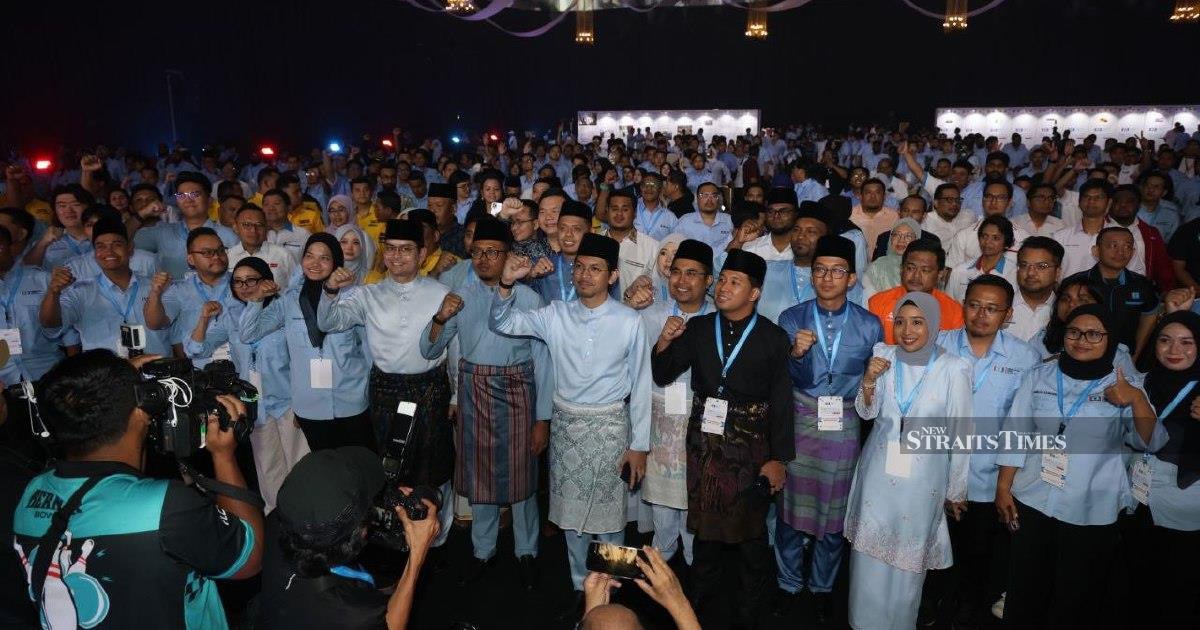
Pakatan Harapan must prioritise rebuilding voter confidence rather than attributing electoral losses to public rejection, according to PKR Youth chief Muhammad Kamil Abdul Munim, who delivered this message at an event in Ayer Keroh. The observation cuts to the heart of a broader accountability question that has haunted the coalition since its performance deteriorated in recent regional elections, particularly in Johor and Negri Sembilan where results fell short of expectations.
Muhammad Kamil's comments represent a significant perspective from within the coalition's youth wing, suggesting that internal blame-shifting serves no constructive purpose. Rather than framing voters as having made poor choices in rejecting PH, the PKR Youth leader implicitly advocates for a fundamental reassessment of the coalition's messaging, policies, and connection with ordinary Malaysians. This approach acknowledges a troubling reality: that the coalition has lost ground among segments of the electorate it once mobilised effectively during its 2018 electoral victory.
The distinction Muhammad Kamil draws is crucial for understanding the nature of PH's challenges. Voters are rarely wrong in their assessments of political parties; they respond rationally to their lived experiences, economic circumstances, and perceptions of competence. When constituents reject a coalition at the ballot box, it typically reflects genuine dissatisfaction with performance, broken promises, or failure to deliver tangible improvements in daily life. This principle should guide PH's introspection rather than defensive posturing.
For Malaysian readers, the implications of this internal PH debate extend beyond party politics. Pakatan Harapan's ability to function as a credible opposition alternative remains significant within Malaysia's two-coalition system. A coalition in denial about its shortcomings cannot effectively hold the government accountable or present a compelling vision for governance. The electorate needs robust, self-aware political institutions capable of honest assessment and course correction.
The Johor election results carry particular weight in this narrative. As Malaysia's second-largest state by population and a strategic economic hub, Johor's political leanings influence national trajectories. Recent electoral outcomes in the state suggested that PH's appeal had narrowed, particularly among traditional support bases that felt the coalition had failed to deliver on transformative pledges made during the 2020-2023 government period. Rather than dismiss these sentiments, Muhammad Kamil's perspective suggests they warrant serious consideration.
Negri Sembilan similarly presents a cautionary case. The state had been a stronghold for PH-aligned parties, yet recent elections indicated erosion in that support base. This pattern, replicated across multiple electoral contests, points to systemic issues within the coalition's approach to governance, communication, or policy implementation. The PKR Youth chief's statement implies that acknowledging these shortcomings is prerequisite to addressing them.
Muhammad Kamil's intervention also reflects generational tensions within PH. Youth leaders, less encumbered by historical baggage of internal coalition disputes or competing egos among senior figures, often identify more pragmatically with electoral realities. The PKR Youth leadership appears willing to confront uncomfortable truths that some senior PH figures might prefer to obscure or reframe. This openness to honest assessment could become an asset if it translates into concrete policy and organisational changes.
The trust deficit that Muhammad Kamil references is quantifiable in polling data and election results, but its roots are complex. Voters may perceive that PH-led governments failed to prioritise their core concerns—cost of living, employment, education, healthcare—adequately. They may question whether coalition members' competing interests undermined collective effectiveness. Or they may simply feel that campaign promises did not materialise into visible improvements in their communities. Rebuilding trust demands addressing the specific grievances underlying each of these perceptions.
For Southeast Asian observers monitoring Malaysian politics, PH's trajectory carries implications for regional democratic dynamics. A coalition capable of genuine self-reflection and renewal could strengthen competitive democratic spaces. Conversely, one that retreats into recrimination risks becoming irrelevant. Muhammad Kamil's message suggests that at least within PKR Youth, there remains commitment to the harder work of rebuilding legitimacy rather than merely contesting power.
The coalition's response to this moment will be telling. PH could invest in grassroots engagement, policy innovation, and transparent communication about past failures and future directions. It could prioritise the voices of younger leaders like Muhammad Kamil who appear more attuned to contemporary voter expectations. Or it could retreat into defensive narratives that ultimately further alienate an electorate increasingly sceptical of political messaging.
Meanwhile, the broader political landscape remains fluid. Malaysian voters have repeatedly shown willingness to punish parties and coalitions that disappoint them, but also capacity for renewal when political actors demonstrate genuine commitment to accountability and change. Muhammad Kamil's intervention suggests that at least some elements within PH understand this dynamic and are prepared to respond accordingly. Whether that understanding translates into sustained institutional change across the coalition will significantly shape Malaysian electoral politics in coming years.

