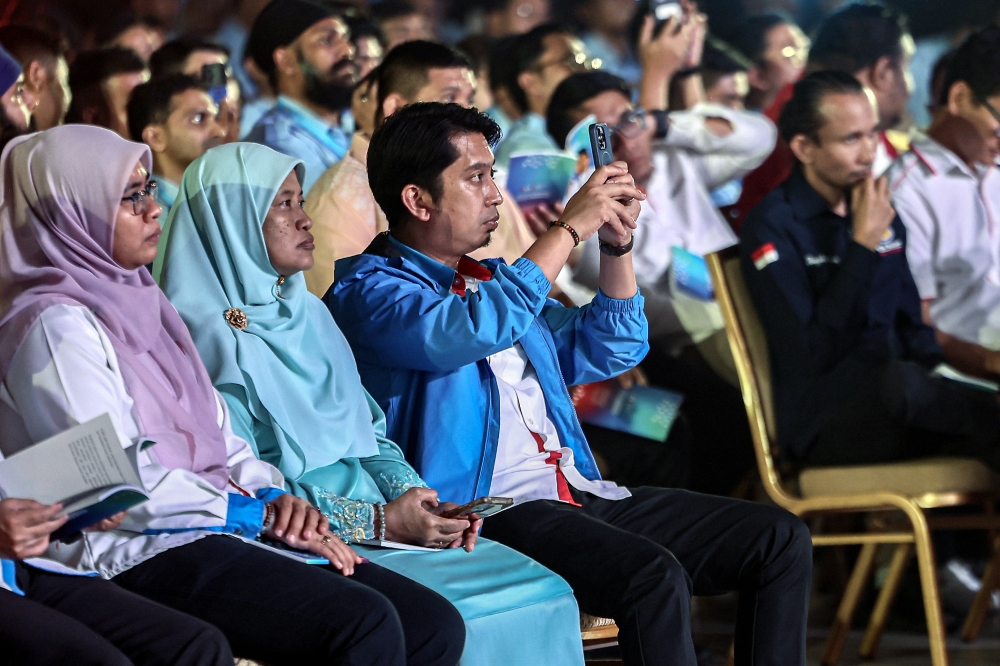
The 2026 National Congress of Angkatan Muda Keadilian (AMK) in Melaka has shifted party youth strategy toward substantive engagement with Generation Z, moving beyond conventional political messaging to address the concrete challenges facing younger Malaysians. The gathering revealed a deliberate pivot within PKR's organizational structure, with several policy-focused motions reflecting recognition that youth retention requires concrete solutions to employment anxiety, economic insecurity, and social media engagement rather than token appearances at youth events.
Central to this recalibrated approach is the acknowledgment that younger voters, now representing a crucial demographic bloc in electoral mathematics across Southeast Asia, respond to parties demonstrating tangible understanding of their specific constraints. The congress motions signal PKR's attempt to translate this understanding into actionable party positions, moving the conversation from superficial inclusivity toward policies addressing generational economic vulnerabilities. This recalibration mirrors broader regional patterns as established political movements struggle to maintain relevance among voters born into digital environments and facing markedly different economic realities than their predecessors.
The employment-focused motions emerging from the congress address a persistent pain point for Malaysian youth. Graduates increasingly navigate credential inflation, precarious contract work, and delayed entry into stable employment—challenges that traditional political messaging largely overlooks. By elevating job creation and career pathway development to congress-level priority, AMK signals recognition that abstract party ideology holds diminishing appeal when young people struggle with immediate economic survival. The employment motions likely reflect grassroots feedback from younger members, suggesting internal awareness that PKR's youth base views economic security as fundamental to political engagement.
Digital engagement motions equally reveal strategic recalibration. Generation Z's political consumption occurs primarily through social media, streaming platforms, and digital communities largely disconnected from traditional party structures. Younger voters expect sophisticated digital communication, authentic online presence, and engagement within spaces where they actually spend time—not forced integration into legacy organizational frameworks. By tabling motions on digital strategy, AMK acknowledges that contemporary youth outreach requires native fluency in these platforms rather than experimental experiments by older party operatives.
The contrast between younger and older voter expectations extends to party communication authenticity. Generation Z demonstrates heightened skepticism toward perceived corporate messaging or performative activism. Political movements attempting to engage this cohort must demonstrate consistency between stated values and organizational practice, transparency in decision-making, and genuine responsiveness to feedback. This generational expectation gap creates particular challenges for established parties, which often carry institutional baggage and historical positions that younger members question.
PKR's congress motions simultaneously reflect broader Malaysian political dynamics. The party operates within an increasingly competitive environment where multiple factions compete for youth support. Young voters are not automatically loyal to any single party; they evaluate competing movements based on perceived competence, authenticity, and alignment with personal values. Rival parties—whether within Pakatan Harapan or from competing coalitions—increasingly target youth voters with sophisticated appeals. AMK's policy-focused approach suggests recognition that maintaining youth relevance requires substantive differentiation, not superficial outreach programs.
The employment focus carries particular resonance in the Malaysian context, where credential inflation, geographic disparities in job availability, and sectoral mismatches between education and employment create genuine frustration among younger cohorts. Recent graduates in smaller states or from less prestigious institutions face particular barriers to stable employment, fueling migration to Kuala Lumpur and Selangor or international emigration. Political movements successfully addressing these anxieties through concrete policy proposals gain meaningful advantages in youth mobilization.
Digital strategy motions equally reflect Malaysian specifics. Internet penetration remains high but uneven across regions; digital literacy varies significantly by educational background and socioeconomic status. Effective digital outreach requires not merely social media presence but strategic platforms reflecting demographic preferences. TikTok, Instagram, and YouTube consume far more young Malaysian attention than Facebook, yet established political organizations frequently maintain disproportionate focus on legacy platforms. By prioritizing digital strategy at congress level, AMK signals intent to resource this work appropriately rather than treating it as secondary to traditional party activities.
The timing of these motions within broader PKR strategy merits scrutiny. The party navigates complex internal factional dynamics while attempting to maintain coalition discipline within Pakatan Harapan. Emphasizing youth-focused policies provides dual benefits: demonstrating responsiveness to younger members while positioning PKR as forward-thinking within coalition dynamics. Successfully delivering on employment and digital engagement motions strengthens party claims to generational renewal, potentially improving competitive standing against rival coalition partners for youth vote share.
Implementing congress motions presents distinct challenges. Employment-focused resolutions require translating party policy into government action—achievable only when PKR holds relevant executive positions. Digital engagement strategies demand sustained resource allocation and institutional willingness to devolve decision-making to younger operatives who understand these platforms intuitively. Failure to implement congress decisions risks further generational cynicism about party responsiveness. Younger members who invested energy pushing employment and digital motions will notice whether leadership prioritizes implementation or allows decisions to languish in committee.
The broader significance extends beyond PKR specifically. Malaysian politics increasingly recognizes that generational turnover requires intentional engagement rather than assuming inherited loyalty. Older voters represent substantial electoral power, but younger cohorts' growing share necessitates political movements capable of addressing contemporary generational concerns authentically. Parties successfully bridging generational divides—maintaining older voter loyalty while building youth support—gain crucial electoral advantages.
Looking forward, the critical question becomes whether AMK's congress motions represent genuine strategic recalibration or performative gesture. Younger voters across Southeast Asia demonstrate sophisticated capacity for distinguishing authentic engagement from symbolic outreach. PKR's subsequent resource allocation, messaging prioritization, and implementation of employment and digital initiatives will reveal whether this congress represented meaningful organizational pivot or simply another youth engagement exercise that fades once the congress concludes.

