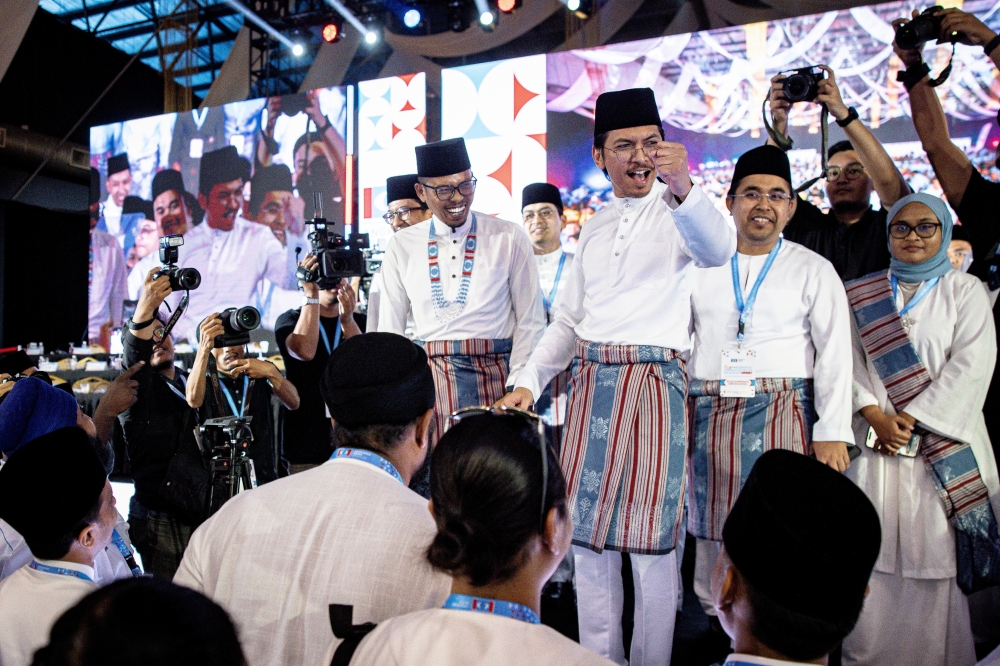
PKR Youth has thrown its support behind Prime Minister Datuk Seri Anwar Ibrahim's initiative to repeal the Universities and University Colleges Act, positioning the move as a stepping stone toward comprehensive reform of Malaysia's higher education sector. The party wing's endorsement, announced in Kuala Lumpur, represents backing from the government coalition's youth cadre for one of the administration's most significant pledges affecting campus life and student engagement.
The commitment to dismantle the UUCA, which has long regulated and restricted student conduct at public universities, aligns with a broader push by the current administration to expand civil liberties and democratic participation among younger Malaysians. By explicitly supporting the repeal, PKR Youth signals alignment with Pakatan Harapan's electoral promises and underscores the coalition's attempt to rebrand itself as champions of greater freedoms compared to its predecessor.
Yet PKR Youth's statement carries particular resonance because it extends beyond merely celebrating legislative change. The youth wing has actively encouraged university students to view the repeal not as an endpoint but as the beginning of deeper transformation within Malaysia's educational institutions. This framing reflects recognition that removing statutory restrictions alone will not automatically translate into fundamental shifts in how universities operate, how faculty engage with politics, or how campus discourse evolves.
For Malaysian students, the distinction matters considerably. Universities have operated under the UUCA's framework since its establishment, creating institutional cultures and administrative practices deeply embedded in decades of restrictions on political activity, student unions, and public expression. Simply eliminating the law does not automatically dismantle these entrenched systems, meaning students must actively advocate for concrete changes in university policies, governance structures, and campus life to realize the spirit of expanded freedoms.
PKR Youth's appeal for student voices carries particular weight given Malaysia's demographic profile and the government's need to consolidate support among younger voters. University students represent a politically engaged segment capable of mobilizing broader youth opinion, and their sustained activism could either validate or undermine the government's reform narrative. The party wing appears to be attempting to channel student energy toward supporting the administration's agenda while simultaneously positioning itself as responsive to campus concerns.
The repeal announcement itself represents a significant reversal of policy trajectory under previous administrations, which maintained and enforced the UUCA as a tool for maintaining order on campuses. The current government's willingness to reverse this approach reflects changed political calculations about the benefits of student mobilization versus perceived threats from campus activism. This shift also acknowledges international scrutiny regarding academic freedom and student rights in Malaysia, factors that influence the country's standing in global university rankings and its attractiveness to international scholars and students.
From a Southeast Asian perspective, Malaysia's approach to student freedoms carries implications beyond its borders. Regional universities and governments monitor each other's policies on campus expression and student organization, creating demonstration effects throughout the association. A successful and stable liberalization of Malaysia's university environment could influence debates in other ASEAN nations grappling with similar questions about balancing institutional governance with student voice.
However, PKR Youth's emphasis on student agency to push for broader reforms also reflects underlying uncertainties about the pace and scope of change the government intends to implement. Lawmakers must still draft new legislation or amend existing university governance frameworks, administrative bodies must develop implementing procedures, and institutional cultures must shift. By framing students as agents of change rather than passive recipients of policy shifts, PKR Youth may be subtly acknowledging that government action alone will prove insufficient.
The political economy of this endorsement merits consideration as well. PKR Youth benefits from positioning itself as supporting student interests and reform, building goodwill among an increasingly important demographic. Simultaneously, by linking the repeal to broader educational transformation, the party wing raises expectations that the government will deliver comprehensive change. This creates both opportunities and vulnerabilities—delivering tangible improvements strengthens the government's youth credentials, while failure to implement substantive reforms risks alienating the very constituency the party seeks to mobilize.
Universities themselves face pressure to respond constructively to these developments. Institutions must determine how to operate meaningfully under expanded student freedoms while maintaining academic standards and institutional stability. This requires thoughtful policy development, dialogue between administrators and students, and recognition that campus life will inevitably change as restrictions ease. Some universities may embrace these changes enthusiastically, while others may resist or implement them reluctantly, creating inconsistent experiences across Malaysia's higher education system.
The timing of PKR Youth's statement, coming as broader implementation discussions proceed, suggests the party wing recognizes the symbolic importance of demonstrating solidarity with student aspirations. Whether this translates into concrete support for student initiatives and protection against potential backlash from conservative quarters remains to be seen. The coming months will reveal whether the government's commitment to educational reform extends beyond legislative repeal to substantive institutional change, and whether student activism successfully translates expanded freedoms into meaningful transformation of Malaysian campus life.

